
In the past decade, the concept of work has undergone a massive transformation. Traditional office cubicles and long commutes are no longer the norm for many professionals. Instead, the rise of co-working spaces has revolutionized how people perceive productivity and collaboration. These dynamic environments bring together freelancers, startups, remote employees, and entrepreneurs under one roof—creating an ecosystem where ideas, innovation, and inspiration flow freely.
Co-working spaces are not just about having a desk and Wi-Fi; they are about belonging to a thriving community. The sense of shared purpose and collaboration is what makes these spaces stand out from conventional offices. Whether you’re a freelancer looking for connections, a startup seeking investors, or a company expanding into new markets, co-working spaces with community networking offer an unmatched advantage.
Unlike traditional office setups that often feel rigid and isolated, co-working spaces are designed to encourage interaction. The design itself—open layouts, shared lounges, and communal kitchens—promotes engagement. But beyond the aesthetics, what truly differentiates co-working spaces is the culture of community.
Members often engage in events like skill-sharing sessions, startup pitch nights, and social gatherings. These interactions go beyond mere networking; they create relationships that can lead to long-term business collaborations or mentorship opportunities.
Key characteristics that make co-working spaces unique include:
Community networking lies at the heart of every successful co-working environment. It’s what transforms a shared workspace into a thriving professional ecosystem. The concept revolves around connecting people not just for business, but for shared learning and support.
When individuals from different backgrounds come together, collaboration becomes second nature. Designers meet developers, writers find marketers, and entrepreneurs connect with investors—all within the same building. This synergy results in more than just business growth; it fosters innovation and personal development.
Networking in co-working spaces happens organically. It might start with a simple coffee chat in the lounge and evolve into a long-term business partnership. Many startups have found their co-founders, clients, and mentors through such spontaneous interactions.
Unlike conventional networking events, which can often feel transactional, community networking within co-working spaces feels genuine and effortless. People share not just work goals, but experiences, ideas, and personal stories. This leads to deeper, more authentic relationships.
Community managers often play a key role in facilitating these interactions. They organize workshops, informal meetups, and collaborative projects that bring members closer. Through such activities, members get to know each other’s strengths and passions, often resulting in fruitful partnerships or referrals.
For example, a freelance designer might connect with a marketing consultant for a joint project, or a startup founder might discover an investor who believes in their vision. The environment encourages mutual growth rather than competition.

In today’s competitive market, having strong professional connections can be more valuable than having years of experience. Networking opens doors to opportunities that might otherwise remain inaccessible.
Here’s why community networking within co-working spaces is so powerful:
When individuals come together in such an ecosystem, collaboration becomes a natural outcome. Ideas that might have taken months to develop can be refined and launched faster with collective expertise.
A key factor behind the success of co-working spaces is the structured yet flexible approach to community-building events. From “lunch and learn” sessions to wellness activities, these events create shared experiences that strengthen bonds among members.
Some popular community-building initiatives include:
These events turn professional spaces into social hubs where work and fun coexist harmoniously. They make networking a natural extension of daily interactions rather than a forced activity.
Startups and freelancers particularly benefit from co-working spaces with strong community networks. For startups, these spaces provide a cost-efficient alternative to leasing private offices while offering access to potential clients and investors. For freelancers, they eliminate isolation and open doors to collaboration.
The sense of belonging to a professional tribe creates accountability and motivation. It’s easier to stay productive when you’re surrounded by others who share similar ambitions. Furthermore, co-working communities often have shared digital platforms where members can post job opportunities, seek recommendations, or collaborate virtually—expanding the benefits beyond physical spaces.
Technology plays a crucial role in making community networking seamless within co-working environments. Most modern co-working spaces now offer member apps or online platforms that allow users to connect, share updates, and participate in discussions.
Features such as:
This tech-enabled networking ensures that even if members are working remotely or in different branches, the sense of connection remains strong.
The concept of community-driven co-working spaces is spreading globally. Cities like Dubai, Singapore, New York, and Bangalore have seen an explosion in such spaces catering to professionals across industries. These spaces now serve as innovation hubs where global entrepreneurs meet and collaborate.
In the future, we can expect even more specialized co-working models—focused on niches like sustainability, tech innovation, creative arts, or women-led entrepreneurship. The essence will remain the same: creating value through shared knowledge and meaningful connections.
Moreover, with the rise of hybrid work models, large corporations are also embracing co-working spaces for flexibility and employee engagement. This shift ensures that community networking becomes a fundamental part of professional life worldwide.
To fully benefit from co-working spaces with community networking, professionals should adopt a proactive mindset. Simply renting a desk won’t yield results; active participation does.
Here are some tips to maximize your experience:
When you contribute positively to your community, the benefits often come back tenfold—whether in the form of new clients, collaborations, or valuable friendships.
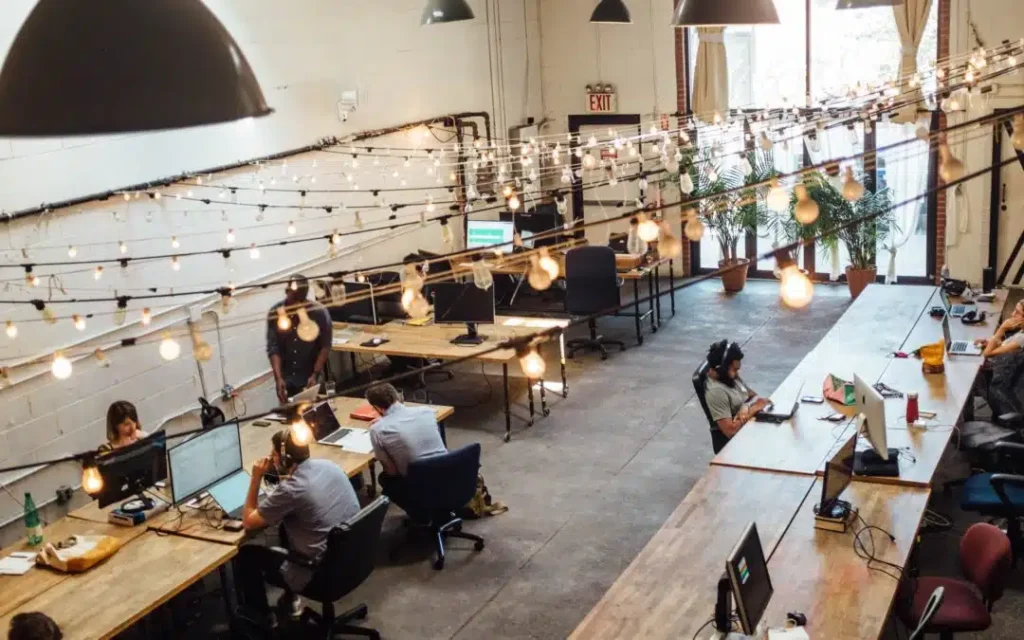
Beyond productivity and profit, co-working spaces nurture the human side of work. They bring back the sense of connection that many lost during remote work transitions. The laughter over coffee breaks, brainstorming sessions, and after-hours conversations contribute to a deeper sense of belonging.
This human connection not only improves mental well-being but also fosters empathy and creativity—qualities essential for long-term success. A strong community ensures that no one feels like they are working alone, even if they are independent professionals.
Co-working spaces with community networking are shaping the future of work by combining flexibility, collaboration, and connection. They represent a movement towards more human-centered professional environments—where success is not defined by competition but by collaboration.
In these vibrant hubs, people don’t just share workspaces; they share dreams, challenges, and victories. The power of community transforms ordinary offices into extraordinary ecosystems of innovation and growth.
As the world continues to adapt to new work models, one thing is clear: the future belongs to those who work together, learn together, and grow together.
Do Follow Estate Magazine on Instagram