Dubai, one of the world’s most exciting and modern cities, is once again making headlines with its bold and visionary infrastructure development. From futuristic transport systems to sustainable energy initiatives, Dubai is showing the world how to build for tomorrow — today.
The emirate’s leaders have made infrastructure a key priority as part of their plans to diversify the economy beyond oil. Massive investments in roads, airports, ports, public transport, and green technologies are helping Dubai become a truly global hub for trade, tourism, and innovation.
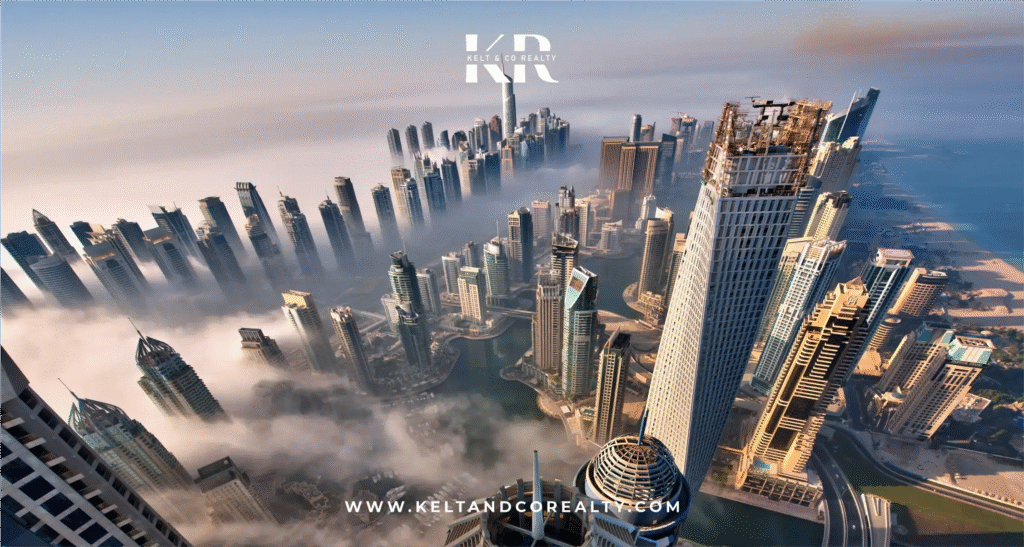
Dubai’s population has grown rapidly, rising from under one million people in 1995 to more than 3.5 million today. To keep up, the city has been investing in major roads, bridges, and metro lines to keep people and goods moving smoothly.
The Dubai Roads and Transport Authority (RTA) has played a big role. The Dubai Metro, launched in 2009, has become a symbol of modern public transport, carrying over 200 million passengers every year. The metro is currently being expanded, with new stations and lines planned to serve more communities.
In addition, Dubai is building massive new road projects such as the Sheikh Rashid bin Saeed Corridor Improvement Project. This $545 million development will cut traffic and connect key areas of the city. Flyovers, tunnels, and smart traffic systems are making Dubai’s road network one of the most advanced in the Middle East.
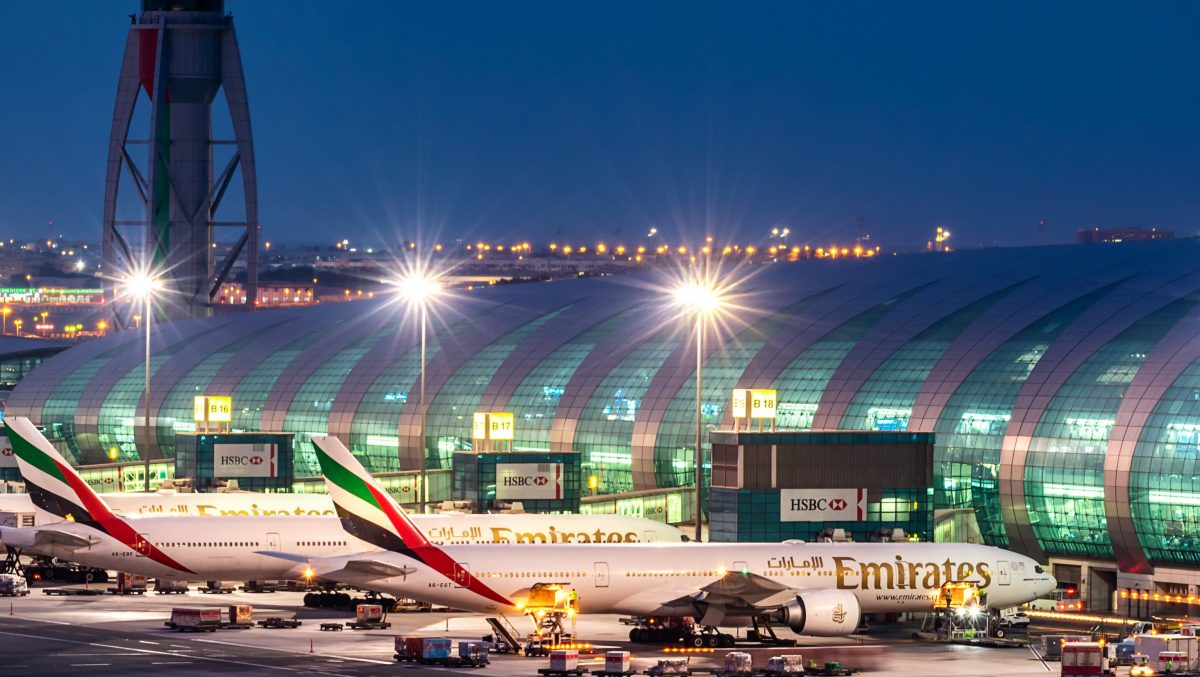
Dubai is also famous for its world-class airports, which serve as gateways to the region. Dubai International Airport (DXB) is the world’s busiest airport for international passengers, handling over 86 million travelers in 2023.
Meanwhile, Dubai is developing Al Maktoum International Airport at Dubai South. Once fully complete, it is expected to handle up to 260 million passengers per year — making it one of the largest airports on Earth. The airport will also support Dubai’s thriving cargo and logistics sectors, positioning the city as a major global trade hub.
Ports are equally important. Jebel Ali Port is the largest container port in the Middle East and among the top 10 busiest in the world. Recent expansions are increasing its capacity and efficiency, with fully automated terminals and smart logistics technologies speeding up cargo handling.
Infrastructure in Dubai is not just about steel and concrete — it is about sustainability too. The Dubai Clean Energy Strategy 2050 is pushing the city to use more renewable energy. Dubai aims to produce 25% of its energy from clean sources by 2030 and 100% by 2050.
One major step is the Mohammed bin Rashid Al Maktoum Solar Park, the world’s largest single-site solar park, which will eventually produce 5,000 megawatts of power. This project shows how Dubai is leading the way on green infrastructure, helping to reduce carbon emissions while meeting its huge energy needs.
Dubai is also investing in water recycling, waste management, and green building standards. For example, many new buildings in Dubai follow strict green codes to save energy and water, while the RTA is expanding electric vehicle charging stations to promote eco-friendly transport.
No talk of Dubai’s infrastructure would be complete without mentioning its digital ambitions. Dubai wants to be one of the world’s smartest cities, using cutting-edge technology to improve life for residents and businesses.
The Dubai Smart City strategy includes everything from artificial intelligence to the Internet of Things (IoT), blockchain, and big data. Services like smart parking, real-time traffic management, digital payments, and e-government are making daily life easier and faster.
In addition, Dubai is a leader in 5G mobile network rollout, giving people access to blazing-fast internet speeds. These efforts support innovation, attract global talent, and position Dubai as a magnet for high-tech companies.
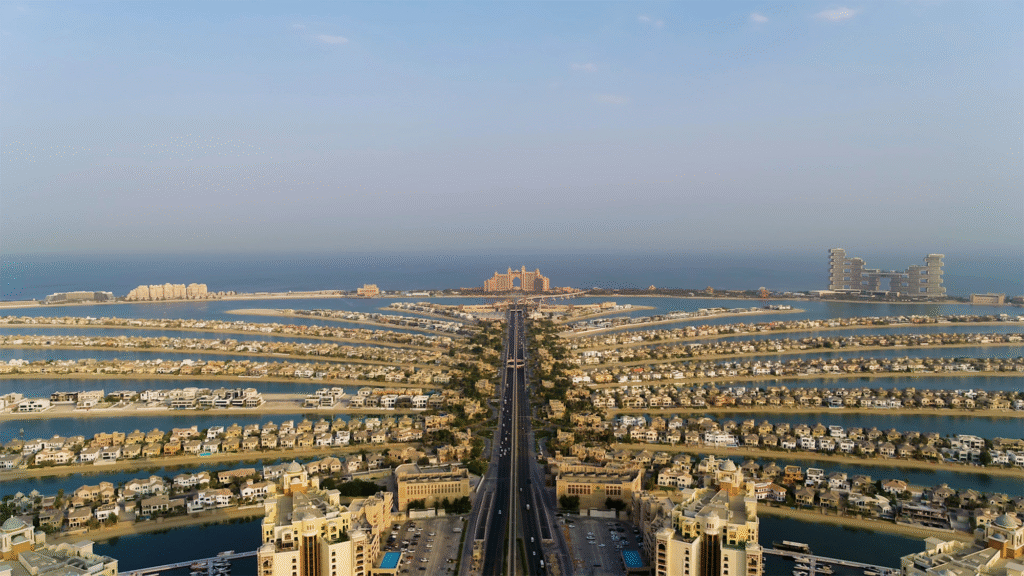
While Dubai’s infrastructure growth is impressive, there are challenges ahead. Rapid population growth and rising tourism mean even greater demands on resources, roads, and public services.
Climate change and water scarcity also pose risks. That is why Dubai’s leaders are putting a strong focus on resilience — making sure that infrastructure can handle extreme weather, higher temperatures, and unexpected shocks.
At the same time, there are huge opportunities. New technologies like artificial intelligence, robotics, and green hydrogen could help Dubai build even smarter and more sustainable infrastructure. Private sector partnerships and foreign investments are flowing into these areas, creating jobs and boosting economic growth.
Dubai’s ambitious plans do not stop here. Expo City Dubai, developed from the successful Expo 2020 site, is set to become a future-ready hub for business, innovation, and green living. The area will host new homes, offices, schools, and cultural venues designed with the latest smart and sustainable infrastructure.
As Dubai looks ahead to its Centennial Plan 2071 — a vision to become the best country in the world by its 100th anniversary — infrastructure will remain at the heart of its success. Investments in roads, airports, ports, clean energy, and digital networks are all designed to create a city that is resilient, competitive, and inspiring for future generations.
For visitors and residents alike, Dubai’s changing skyline is more than just a symbol of wealth and progress. It is proof that with the right vision and determination, cities can reinvent themselves to meet the challenges of a fast-changing world.
Read More:- Deyaar’s Latest Announcement Shakes Up the UAE Property Market