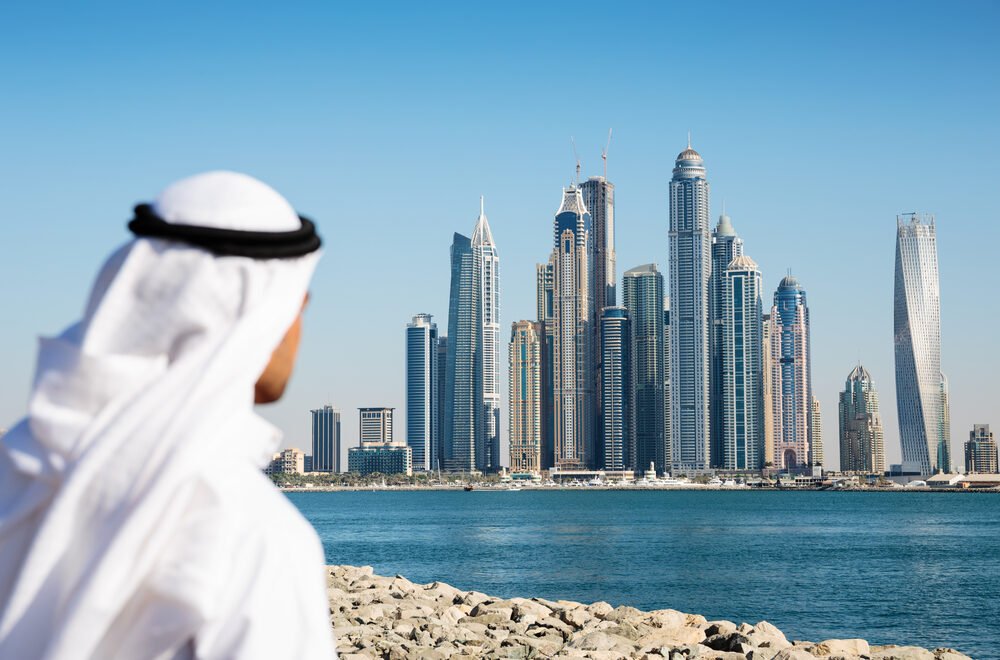
The United Arab Emirates (UAE) is quickly transforming itself into one of the world’s leading aviation powerhouses. Over the past two decades, this small Gulf nation has invested billions of dollars into building airports, buying fleets of modern aircraft, and developing world-class infrastructure. As a result, the UAE is now seen as a global leader in aviation, connecting people and goods across continents like never before.
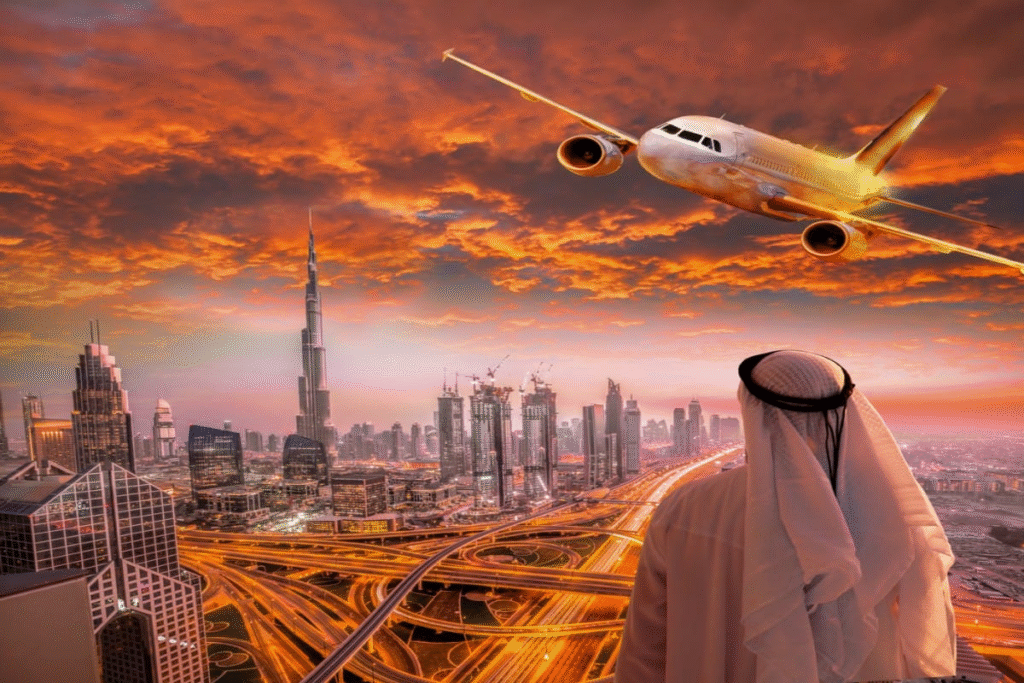
One of the UAE’s biggest advantages is its location. Situated between Europe, Asia, and Africa, the UAE is perfectly positioned to act as a transit hub for long-haul flights. Airlines like Emirates, Etihad Airways, and flydubai have used this geographic advantage to offer smooth connections between the East and West.
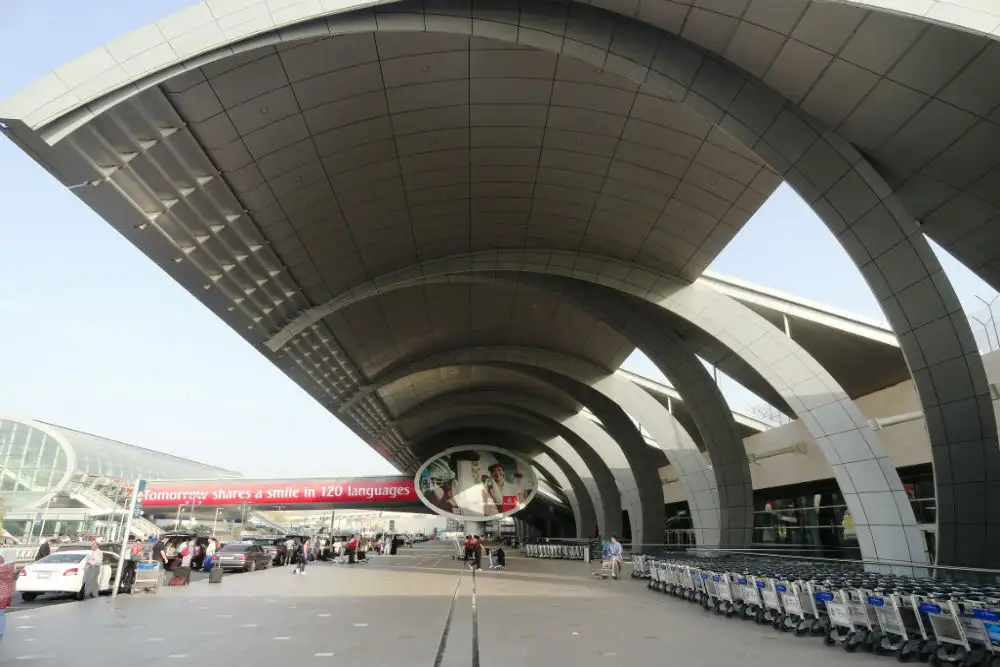
Dubai International Airport (DXB) has become one of the busiest airports in the world, serving over 80 million passengers a year before the pandemic. Dubai’s second airport, Al Maktoum International (DWC), is being developed to handle up to 250 million passengers a year in the future. Meanwhile, Abu Dhabi International Airport is also growing rapidly and is soon to open its state-of-the-art Midfield Terminal.
This rapid development shows the UAE’s commitment to making aviation one of the pillars of its economy.
Emirates, founded in 1985, is today one of the world’s largest international airlines. Known for its luxurious onboard service, extensive route network, and modern fleet, Emirates has become a symbol of the UAE’s aviation ambitions. Its iconic Airbus A380 superjumbo jets are a familiar sight in major airports worldwide.
Similarly, Etihad Airways, based in Abu Dhabi, has established itself as a premium airline with excellent service and an impressive global reach. These airlines not only boost tourism but also contribute to trade, employment, and the country’s soft power around the world.
flydubai, a low-cost carrier, has also become a strong player in the market, making air travel affordable to millions of passengers across the Middle East, Africa, and Central Asia.
The UAE is spending heavily on airport infrastructure to support its aviation dreams. Dubai Airports is expanding its facilities to handle growing demand, while Abu Dhabi’s new Midfield Terminal will soon handle up to 45 million passengers a year. Sharjah International Airport is also undergoing expansion to meet rising passenger traffic.
In addition to passenger airports, the UAE has invested in cargo and logistics infrastructure. Dubai World Central, for example, is designed to be one of the world’s largest logistics hubs, handling not just passengers but also millions of tonnes of cargo.
These investments are creating thousands of jobs and opportunities for businesses in aviation, hospitality, and tourism.
The UAE is also investing in skills and technology to support its aviation sector. Emirates has a world-class flight training academy that helps train pilots from around the globe. Abu Dhabi, meanwhile, is investing in aerospace engineering and aircraft maintenance facilities, attracting global players to set up operations in the UAE.
There is also a growing focus on sustainability and innovation. The UAE is exploring biofuels, electric planes, and greener airport operations to reduce the carbon footprint of aviation. For example, Etihad Airways has launched a “Greenliner” program using its Boeing 787 aircraft to test eco-friendly technologies.
A strong aviation sector supports many other industries. Tourism is one of the biggest beneficiaries. Thanks to easy air connections, Dubai and Abu Dhabi have become major tourist destinations, attracting millions of visitors every year.
Before the COVID-19 pandemic, Dubai alone welcomed nearly 16 million tourists annually. With Expo 2020 Dubai and other mega-events, the UAE has put itself firmly on the global tourism map, supported by its powerful aviation networks.
In addition, trade and logistics have received a major boost. The UAE’s air cargo sector moves high-value goods across the world in record time, from electronics to pharmaceuticals. This supports the country’s ambition to be a global trading hub.
Of course, the UAE’s aviation sector also faces challenges. High fuel prices, global economic uncertainty, and geopolitical risks can affect growth. The industry is still recovering from the severe impacts of the COVID-19 pandemic, which caused a huge drop in air travel worldwide.
However, experts believe the UAE is well-positioned to bounce back. Its strong financial reserves, strategic planning, and willingness to innovate give it an edge. As global travel continues to recover, the UAE’s airlines and airports are ready to serve even more passengers and cargo than before.
The UAE has ambitious plans for the future. Dubai aims to become the world’s busiest airport system by combining DXB and DWC capacity. Abu Dhabi is working to attract more airlines and travelers through its new terminals and tourism offerings.
Additionally, the UAE is exploring partnerships with other countries to share aviation knowledge and expertise. Its aviation sector is also looking to adopt artificial intelligence, robotics, and data analytics to improve passenger experiences and streamline operations.
With a clear long-term vision, the UAE is determined to stay at the top of the aviation industry. Its leadership knows that aviation is more than just moving people from place to place — it is a critical engine for economic growth, innovation, and international influence.
In just a few decades, the UAE has grown from having small regional airports to becoming a true global aviation powerhouse. By investing strategically in airlines, airports, technology, and people, it has built one of the most advanced aviation ecosystems in the world.
As the country looks to the future, it is clear that the UAE will continue to play a central role in connecting the world through air travel. Its story is an inspiring example of what vision, investment, and determination can achieve — and it is far from over.
Read More:- Deyaar’s Latest Announcement Shakes Up the UAE Property Market