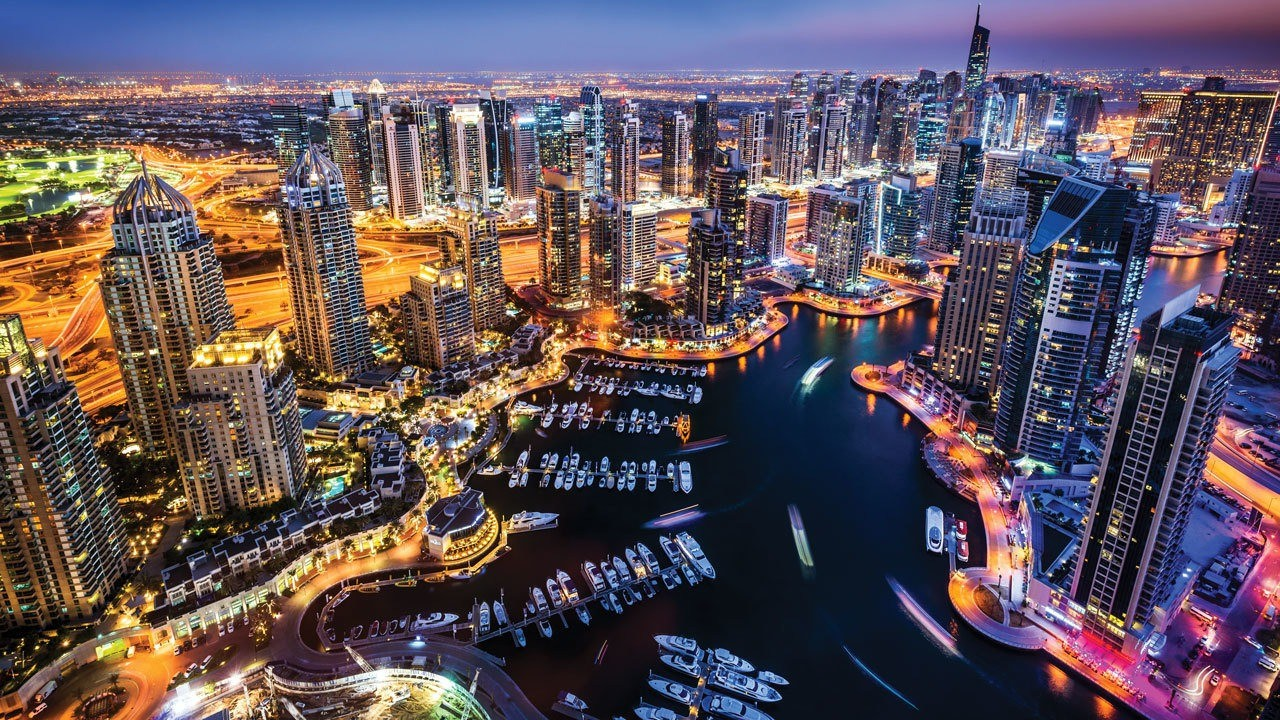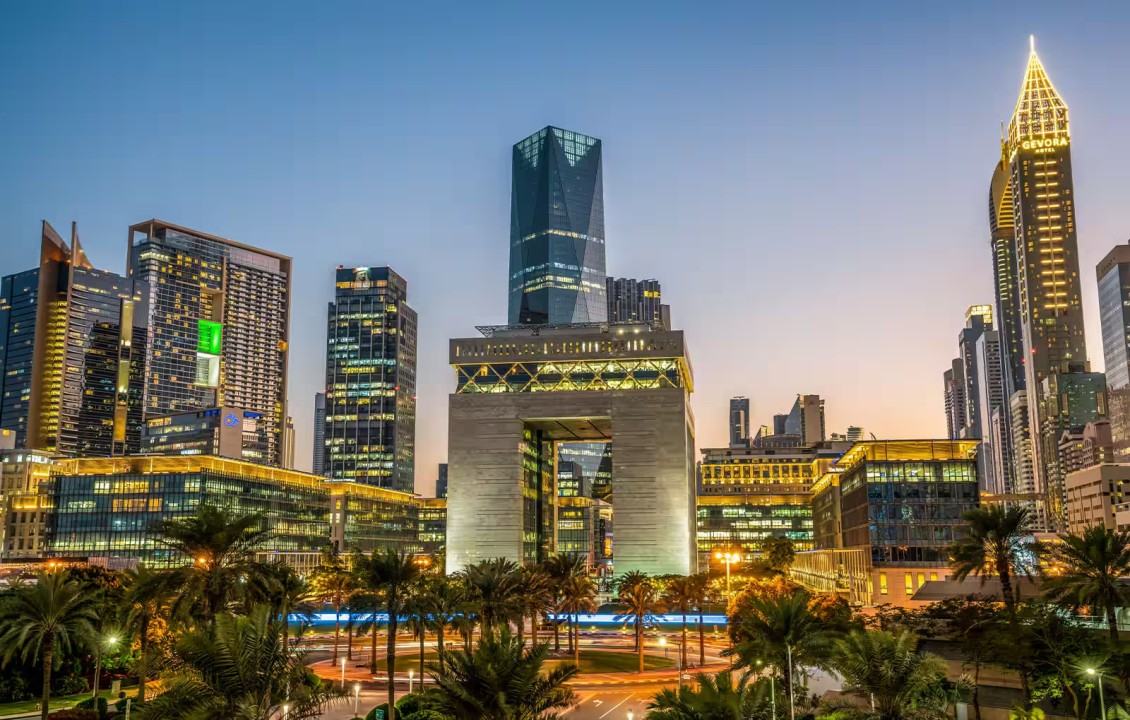

Tourism is often considered the lifeblood of many communities around the globe. Its impact stretches far beyond just creating enjoyable vacations for travelers; it plays a crucial role in supporting real estate and boosting the broader economy. Understanding how tourism supports real estate and the economy reveals the interconnectedness of these sectors, offering insights into their mutual benefits and the growth potential they create together.
The relationship between tourism and real estate is multifaceted. When tourists flock to a destination, they don’t just seek leisure; they stimulate demand for various types of accommodation, infrastructure, and services. This surge in demand directly influences real estate development and investment.
In popular tourist destinations, the need for hotels, vacation rentals, and other lodging options skyrockets. Developers and investors recognize this opportunity, leading to an increase in real estate projects aimed at catering to tourists. This development not only creates jobs but also revitalizes neighborhoods and fosters community engagement.
Tourism has a ripple effect on the broader economy. As tourists spend money in a city, they support local businesses, including restaurants, shops, and entertainment venues. This influx of cash generates revenue that circulates within the community, creating a robust economic ecosystem.
Moreover, tourism encourages infrastructure improvements. Cities often invest in better roads, transportation systems, and public amenities to accommodate visitors. These enhancements benefit residents, too, ultimately leading to an improved quality of life. An efficient infrastructure system attracts more tourists, fueling a cycle of growth that enhances both values and local economies.
Investing in real estate in tourist-heavy regions can be a lucrative venture. Properties in these areas often see significant appreciation due to consistent demand. Investors can choose various avenues, from short-term rental properties to commercial real estate that caters to tourists.
Short-term rentals, such as Airbnb and vacation homes, have gained popularity as visitors seek unique lodging experiences. These properties often yield higher returns compared to traditional long-term rentals. Investors focusing on these opportunities can capitalize on the tourism boom, creating a win-win situation for both tourists and property owners.
Tourism not only supports; it also plays a significant role in job creation. The industry generates millions of jobs worldwide, from hospitality and service sector positions to construction and maintenance roles in real estate development.
As new hotels and resorts are built, they require a workforce to operate. This demand for labor extends to various skill levels, providing opportunities for many community members. The job creation aspect of tourism reinforces the connection between the industry and real , as a thriving job market attracts more residents and investors alike.
Tourism fosters community development in numerous ways. Local governments often work hand-in-hand with tourism boards to create initiatives that enhance visitor experiences while preserving cultural heritage. This collaborative approach can lead to the revitalization of historical districts, parks, and public spaces, making them more appealing to both tourists and residents.
As communities invest in their cultural and natural resources, they create attractive environments that can boost real estate values. A vibrant community with plenty of attractions draws in tourists and potential new residents, further supporting the real estate market.
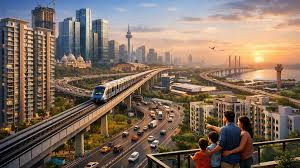
In recent years, there has been a growing emphasis on sustainable tourism. This approach encourages responsible travel that conserves resources and respects local cultures. Sustainable tourism can significantly impact real estate development by promoting eco-friendly properties and practices.
Investors are increasingly looking for properties that align with sustainable practices, such as energy-efficient buildings and developments that support local ecosystems. This shift not only caters to the modern tourist’s preferences but also enhances the long-term viability of real estate investments.
While the relationship between tourism and real estate is largely beneficial, there are challenges to consider. Over-reliance on tourism can lead to market volatility, especially in times of economic downturns or global crises. When tourism dwindles, property values can decline, affecting the broader economy.
Communities must strike a balance between catering to tourists and ensuring that local residents’ needs are met. Gentrification is a concern in many popular destinations, where rising property values can displace long-time residents. Sustainable and inclusive tourism development practices can help mitigate these issues, creating a harmonious balance between visitor enjoyment and community well-being.
In conclusion, understanding how tourism supports real estate and the broader economy reveals a complex yet rewarding relationship. The tourism industry fuels real estate development, job creation, and economic growth while enhancing community vitality. However, it is vital for communities to approach tourism development thoughtfully, ensuring that the benefits are shared equitably among residents and visitors alike.
As the tourism sector continues to evolve, its influence on real estate and the economy will remain significant. By embracing sustainable practices and fostering collaboration between stakeholders, communities can ensure a prosperous future that thrives on the synergy between tourism and real estate.
Do Follow Estate Magazine on Instagram
Read More:- Expo & Mega Events Impact on Dubai’s Economy: 7 Powerful Growth Effects