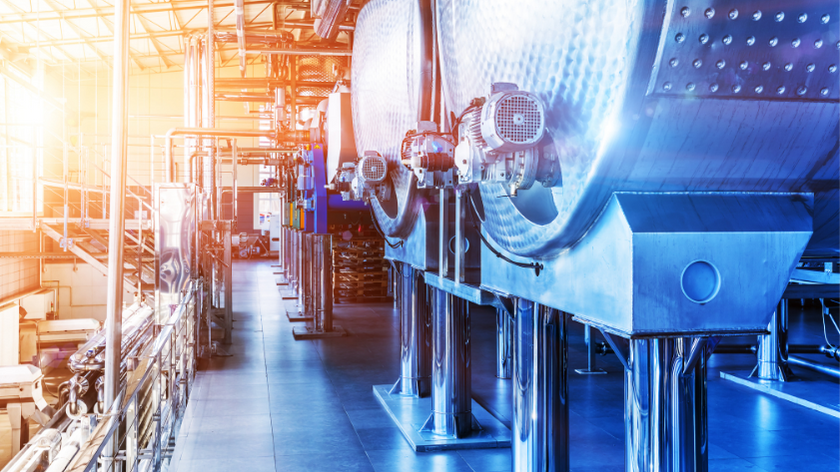
Sustainability is no longer a buzzword—it is a business imperative. Industrial properties are evolving to meet the growing demand for eco-friendly, energy-efficient, and socially responsible infrastructure. Companies across the globe are realizing that sustainable industrial properties are more than just good for the planet—they are smart investments that enhance productivity, reduce operational costs, and elevate brand reputation.
Industrial operations are traditionally associated with high energy consumption, resource usage, and environmental impact. This has pushed the sector toward adopting sustainable practices to align with global environmental standards. Sustainable industrial properties are designed to minimize negative environmental effects while maximizing operational efficiency and economic gains.
Key reasons sustainability matters include:
Modern industrial buildings are integrating sustainable features that make them highly desirable for businesses seeking efficiency and long-term growth. Some of the most significant features include:
Energy-efficient designs form the backbone of sustainable industrial properties. These include high-performance insulation, energy-saving lighting systems, and optimized building layouts that reduce energy loss. Automated energy management systems ensure minimal wastage by monitoring consumption in real time.
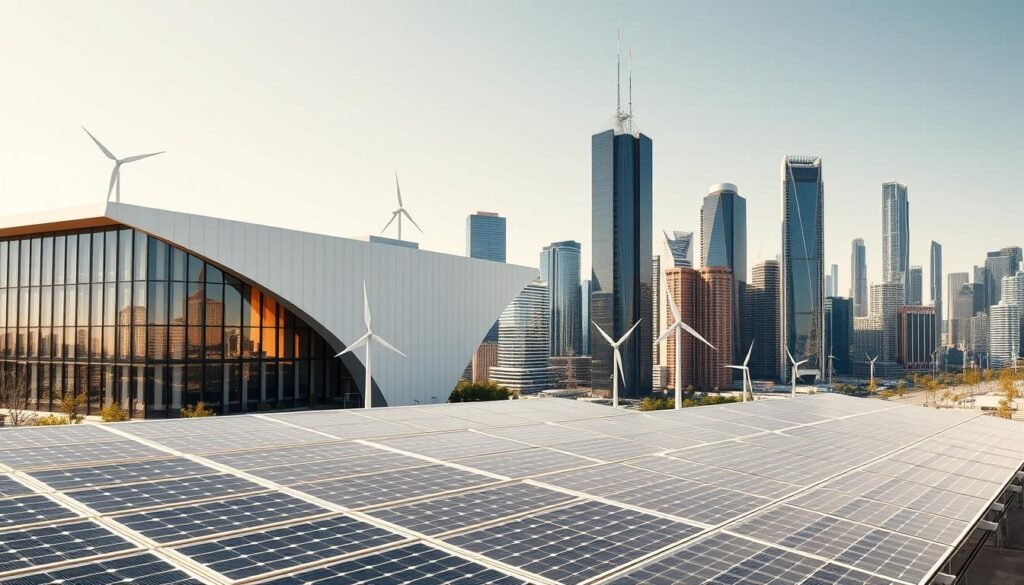
Solar panels, wind turbines, and other renewable energy sources are increasingly common in industrial setups. By generating a portion of their energy on-site, facilities reduce dependence on conventional energy sources, lower utility bills, and enhance operational resilience.
Industrial properties consume vast amounts of water for cooling, cleaning, and other processes. Sustainable buildings incorporate rainwater harvesting, water recycling, and low-flow fixtures to minimize water waste. These measures significantly reduce costs while conserving valuable natural resources.
The choice of construction materials plays a pivotal role in sustainability. Recycled, low-emission, and locally sourced materials reduce environmental impact and improve indoor air quality. Using these materials contributes to certifications such as LEED or BREEAM, which increase the market value of industrial properties.
Modern industrial properties integrate smart waste management systems, enabling efficient segregation, recycling, and safe disposal of waste materials. This reduces environmental pollution and ensures compliance with waste management regulations.
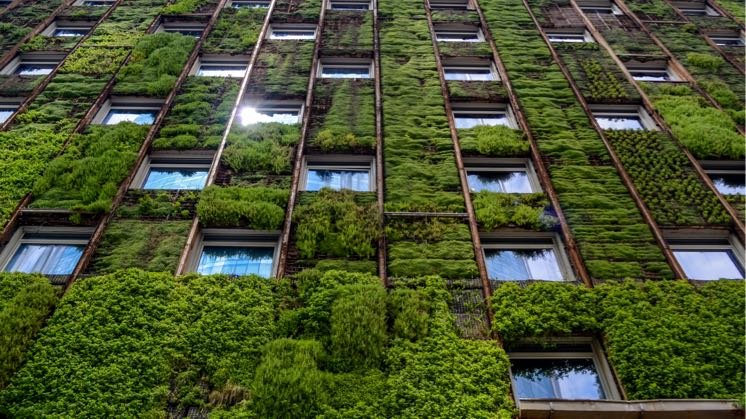
Green landscaping, rooftop gardens, and permeable pavements improve aesthetics, control temperature, and manage stormwater efficiently. Green spaces also provide employees with better working environments, enhancing productivity and satisfaction.
Investing in industrial properties with sustainable features provides tangible and intangible benefits for businesses.
Energy-efficient systems, water-saving mechanisms, and reduced waste directly lower utility and maintenance expenses. These savings can be redirected toward expanding operations or investing in new technologies.
Eco-friendly buildings are designed to provide optimal indoor air quality, natural light, and ergonomic spaces. Healthier work environments increase employee satisfaction, reduce absenteeism, and enhance overall productivity.
Companies that operate sustainably stand out in competitive markets. Green certifications and visible sustainability initiatives attract clients, investors, and partners who value environmental responsibility.
Sustainable industrial properties are less vulnerable to fluctuating energy prices and stricter environmental regulations. By adopting eco-friendly solutions early, businesses future-proof their operations.
Several emerging trends are shaping the way industrial properties are being designed and operated.
Integration of IoT devices, AI, and automation allows industrial facilities to monitor energy consumption, track resource usage, and optimize processes in real time. Smart systems make sustainable management more effective and measurable.
Modular construction reduces material waste, lowers construction time, and allows facilities to adapt to changing operational needs. Flexibility ensures long-term usability while minimizing environmental impact.
Many industrial operators are striving for carbon neutrality. This includes sourcing renewable energy, offsetting emissions, and implementing energy-efficient production methods. Carbon-neutral operations appeal to environmentally conscious consumers and investors alike.
Circular economy models prioritize reusing, refurbishing, and recycling materials within industrial operations. Industrial properties that support these practices reduce waste, conserve resources, and create closed-loop supply chains.
While the benefits are clear, industrial properties face certain challenges in adopting sustainability measures.
High Initial Investment: Advanced technologies, renewable energy installations, and sustainable materials may require higher upfront costs.
Complex Compliance Requirements: Meeting environmental regulations across different regions can be complicated.
Maintenance and Training Needs: Sustainable systems require regular maintenance and staff training to operate efficiently.
Market Acceptance: Some companies are hesitant to adopt new standards due to unfamiliarity or perceived risks.
Despite these challenges, the long-term economic, environmental, and reputational advantages make sustainable industrial properties a smart investment.
Transitioning to sustainable industrial operations requires strategic planning and investment. Businesses can start by:
Collaborating with architects, engineers, and sustainability consultants can streamline the transition and maximize the impact of green measures.
The industrial real estate sector is entering a transformative phase where sustainability is not optional but essential. Governments worldwide are introducing incentives for green buildings, and tenants increasingly prefer facilities that demonstrate environmental responsibility.
In the next decade, sustainable industrial properties are expected to dominate the market, with features such as:
Companies that embrace these features now will gain a competitive edge, reduce operational risks, and secure long-term profitability.
Industrial properties with sustainable features represent a convergence of environmental responsibility, operational efficiency, and business growth. From energy-efficient designs to smart waste management, these properties are shaping the future of industrial real estate.
Investing in sustainable industrial properties is not merely a trend—it is a strategic move that aligns financial performance with environmental stewardship. Businesses that act today will reap economic, social, and environmental rewards for years to come.
By prioritizing sustainability, companies ensure a better planet, a more efficient operation, and a stronger position in an increasingly eco-conscious market. The future of industrial real estate is green, smart, and profitable, and there is no better time to embrace it.
Do Follow Estate Magazine on Instagram
Industrial Properties With High Capital Appreciation: Unlocking Lucrative Investment Opportunities