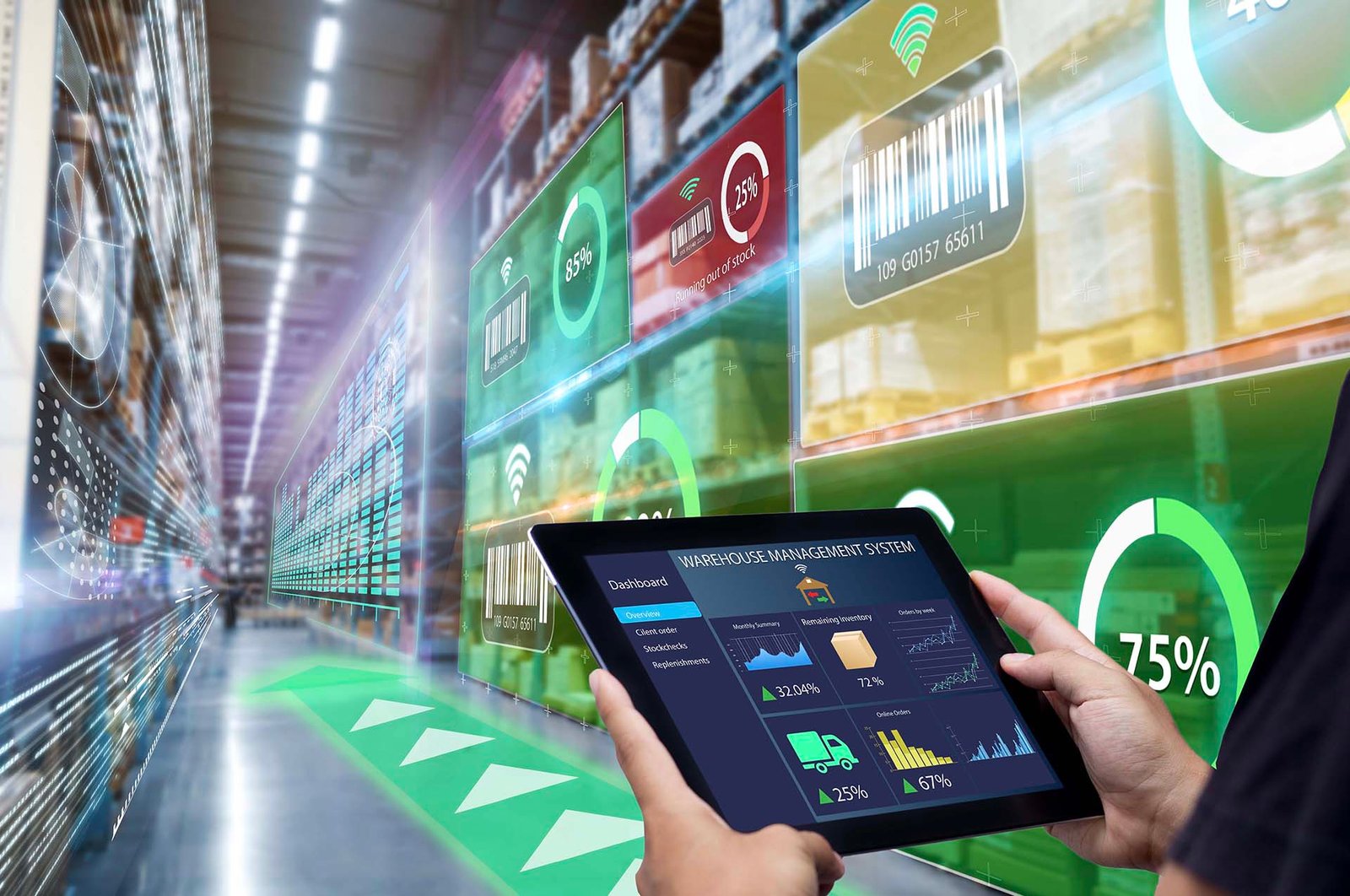
In today’s fast-paced manufacturing and industrial landscape, efficiency is the key to survival. Industrial units are no longer relying solely on manual operations or outdated systems to manage their inventory. Instead, they are turning to smart inventory management — a transformative solution that blends technology, automation, and data intelligence to streamline operations and boost profitability. This shift is not just a trend; it’s a revolution shaping the future of industrial production and supply chain management.
Traditionally, inventory management was a manual and time-consuming process. Industrial units used spreadsheets or paper-based logs to track raw materials, production items, and finished goods. While these methods worked for small-scale operations, they were inefficient and prone to human errors as the business scaled up.
With the rise of digital transformation, industries began adopting software solutions for real-time inventory tracking. However, the real breakthrough came with smart inventory management systems — powered by Artificial Intelligence (AI), Internet of Things (IoT), and cloud computing. These technologies brought real-time visibility, predictive analytics, and automation to every stage of the inventory cycle, from procurement to dispatch.
Smart inventory management refers to the use of advanced technologies to automate and optimize the tracking, storage, and distribution of goods within industrial units. It integrates sensors, data analytics, machine learning, and cloud systems to provide a complete overview of stock levels, demand forecasting, and supply chain performance.
Unlike traditional systems that merely record inventory transactions, smart systems analyze and predict trends. They can automatically place orders for materials when stock levels run low or even alert managers about potential bottlenecks before they occur.
To understand how these systems function, let’s look at their key components:
1. IoT Sensors and RFID Tags
IoT devices and RFID tags enable real-time tracking of materials and products across storage units and production floors. This technology ensures that every item is accounted for and instantly locatable.
2. Cloud-Based Data Storage
Cloud integration allows all inventory data to be stored and accessed remotely. It ensures data synchronization across multiple departments and even different industrial locations.
3. Artificial Intelligence and Machine Learning
AI and ML algorithms analyze massive volumes of inventory data to detect patterns, predict demand, and optimize supply chain decisions. They provide actionable insights that improve accuracy and reduce wastage.
4. Automated Reordering Systems
Smart systems can automatically generate purchase orders when certain thresholds are reached, ensuring the production line never stops due to missing materials.
5. Real-Time Analytics Dashboards
These dashboards offer a live overview of inventory performance, supply chain health, and financial metrics, allowing managers to make informed decisions instantly.

Industrial units deal with complex supply chains, large-scale production, and fluctuating demand cycles. Managing inventory manually or with outdated systems can lead to overstocking, stockouts, or inefficient use of capital. Smart inventory management offers a holistic solution to these challenges.
1. Enhanced Efficiency
Automation minimizes human involvement in repetitive tasks such as data entry, tracking, and stock verification. This saves time and increases operational accuracy.
2. Cost Reduction
By eliminating excess stock and avoiding shortages, industrial units can optimize their working capital. Predictive analytics help reduce storage and carrying costs significantly.
3. Real-Time Visibility
Managers get a transparent view of all inventory items — where they are, how they’re used, and when they need replenishment. This visibility leads to faster and smarter decisions.
4. Error Minimization
With automated tracking and AI-based forecasting, human errors are dramatically reduced. This accuracy ensures smoother workflows and fewer production interruptions.
5. Better Demand Forecasting
Smart systems analyze historical data, market trends, and even external factors like seasonality or economic changes to predict demand accurately. This allows companies to align production with market needs.
Artificial Intelligence plays a central role in transforming industrial inventory management. It doesn’t just automate processes — it makes them smarter.
AI-driven systems can identify consumption patterns, seasonal variations, and supplier reliability. Based on this, they optimize stock levels and reorder schedules. For instance, an industrial unit producing automotive parts can use AI to predict which components will be in higher demand during certain production cycles, ensuring the right materials are always available without overstocking.
Furthermore, AI chatbots and virtual assistants are also emerging as tools for real-time communication between managers and systems, providing instant updates on stock levels, shipments, or delays.
IoT-enabled sensors provide granular data from every corner of an industrial unit. Temperature sensors can monitor storage conditions for sensitive materials, while location trackers can trace goods throughout the supply chain. These real-time insights eliminate blind spots and increase operational transparency.
For example, in a food processing industrial unit, IoT devices can ensure that raw materials remain at optimal temperatures, preventing spoilage and maintaining quality standards. Similarly, in heavy machinery production, IoT can track equipment wear and maintenance schedules, avoiding costly breakdowns.
Smart inventory management doesn’t function in isolation — it thrives on integration. When connected with Enterprise Resource Planning (ERP) and Customer Relationship Management (CRM) systems, it forms a unified ecosystem that enhances end-to-end visibility.
This integration allows procurement, production, and distribution teams to work in sync. It ensures that materials are procured on time, production schedules are maintained, and customers receive deliveries without delay. The result is a seamless, data-driven supply chain that supports faster decision-making and stronger business continuity.
While improved efficiency and cost savings are major advantages, smart inventory management offers several other strategic benefits:
Despite its benefits, adopting smart inventory management systems comes with challenges that industrial units must address carefully.
1. Initial Investment:
The cost of IoT devices, AI software, and system integration can be high, but the return on investment is substantial in the long run.
2. Data Security:
With digital systems comes the responsibility of protecting sensitive industrial data from cyber threats. Implementing strong cybersecurity measures is crucial.
3. Employee Training:
Adopting new technology requires employees to learn new systems and workflows. Proper training and change management programs are essential for smooth transitions.
4. Integration Complexity:
Integrating smart systems with existing infrastructure and software can be complex, requiring expert guidance and phased implementation.
Consider an automotive manufacturing unit that traditionally faced issues with raw material shortages and delayed deliveries. After implementing a smart inventory management system integrated with IoT and AI, the company experienced:
These measurable improvements demonstrate the real-world impact of adopting smart inventory systems — turning inefficiencies into opportunities for growth.

The future of smart inventory management looks promising as technologies like blockchain, 5G connectivity, and edge computing begin to integrate into industrial operations. Blockchain will bring transparency and security to supply chain transactions, while 5G will enhance real-time communication between IoT devices and cloud systems.
As artificial intelligence continues to evolve, future systems will be capable of self-learning — adapting to production changes, supply chain disruptions, or market shifts autonomously. Industrial units that embrace this technology early will lead the market in operational excellence and profitability.
For industrial units planning to upgrade, here’s a step-by-step roadmap:
In an era where supply chain disruptions can cripple production, having a resilient and intelligent inventory system is a competitive advantage. Smart inventory management allows industrial units to operate lean, agile, and data-driven. This not only saves money but also enhances flexibility and adaptability — traits that are vital in today’s unpredictable markets.
By reducing dependency on manual intervention and providing predictive intelligence, industrial units can make strategic decisions faster than competitors, improving both productivity and customer satisfaction.
Smart inventory management is no longer a futuristic concept — it’s the present-day necessity for industrial growth and sustainability. From predictive analytics to real-time tracking and AI-driven insights, this technology empowers industries to operate with greater precision, reduced waste, and improved profitability.
Industrial units that adopt these systems are not just upgrading their operations — they’re building smarter, more resilient businesses ready for the future of manufacturing.
Embracing this digital shift isn’t about replacing human intelligence; it’s about amplifying it with technology that ensures accuracy, agility, and innovation in every process.
Do Follow Estate Magazine on Instagram