
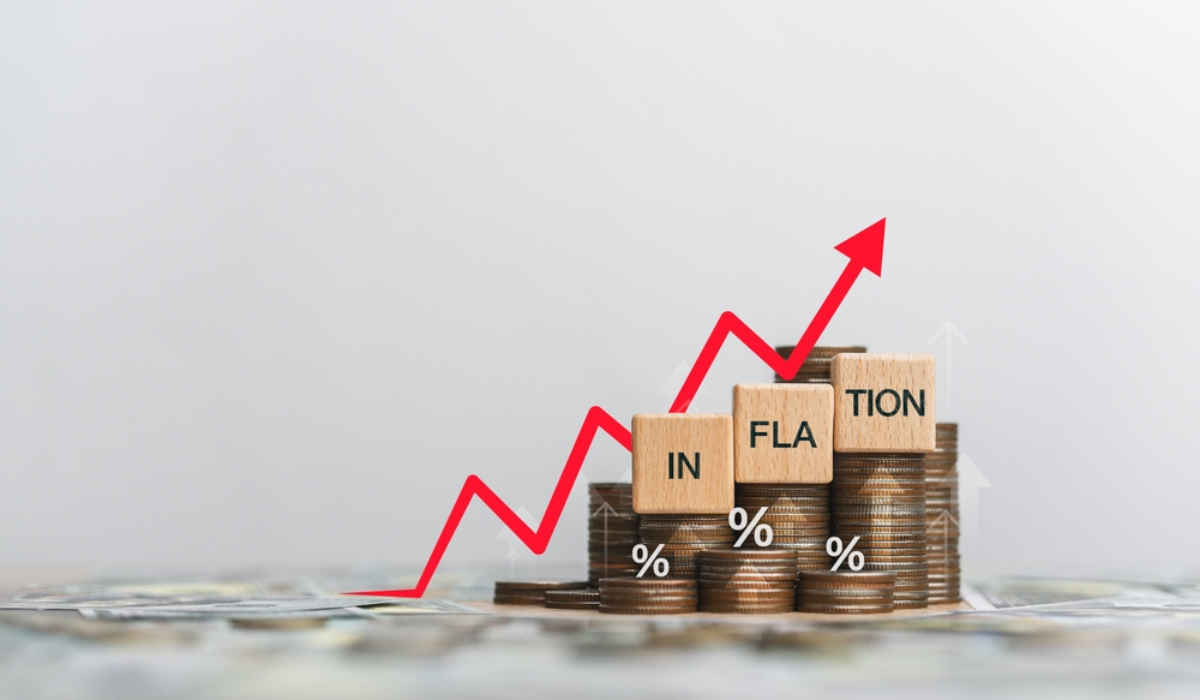
Inflation is a term that often sparks concern among investors, particularly in the realm of property investment. Understanding how inflation affects property investment returns is crucial for anyone looking to navigate the complexities of the real estate market confidently. As prices rise and purchasing power fluctuates, the implications for property values and rental income can be significant. This article delves into the intricate relationship between inflation and property investment, providing insights to help you make informed decisions.
Inflation refers to the general increase in prices and fall in the purchasing value of money over time. When inflation rises, the cost of goods and services increases, which can lead to various outcomes for property investors.
One primary effect of inflation is the potential increase in property values. As the cost of materials and labor rises, so too does the value of real estate. This can be beneficial for property investors seeking capital appreciation. However, it’s essential to remain mindful of the broader economic implications, as not all properties will appreciate at the same rate.
In a high-inflation environment, rental income can also be affected significantly. As living costs rise, landlords may feel compelled to increase rents to maintain their profit margins. This can lead to improved cash flow for property investors, allowing them to offset rising costs.
However, this situation can also create challenges. If wages don’t keep pace with inflation, tenants may struggle to afford increased rents, leading to higher vacancy rates. Understanding the balance between raising rents and maintaining tenant occupancy is vital for ensuring sustainable investment returns.
Inflation often prompts central banks to adjust interest rates in response to rising prices. Higher interest rates can make borrowing more expensive, affecting property investors’ financing options. When interest rates go up, mortgage payments can rise, potentially squeezing cash flow and reducing overall returns.
Conversely, if inflation leads to lower interest rates over time, borrowing costs could decrease, making property investment more attractive. It’s important for investors to stay informed about economic indicators and adjust their strategies accordingly.
Different types of properties react uniquely to inflationary pressures. For instance, residential properties often tend to be more resilient during inflationary periods. People always need a place to live, and demand for rental properties can remain strong.
On the other hand, commercial real estate may experience different dynamics. Businesses may scale back on their rental commitments during uncertain economic times, impacting the demand for office spaces and retail properties. Investors should consider these nuances when assessing potential investments during inflationary periods.
To navigate the challenges posed by inflation, property investors can employ several strategies. One effective approach is to invest in properties with long-term leases, which can provide stable cash flow even in fluctuating economic climates.
Another strategy is diversifying the property portfolio. By investing in a mix of residential, commercial, and industrial properties, investors can spread risk and enhance potential returns.
Additionally, keeping an eye on inflation trends and economic indicators can help investors make timely decisions, such as refinancing loans during periods of low interest rates or adjusting rental prices strategically.
While inflation can impact property investment returns in the short term, it’s essential to maintain a long-term perspective. Real estate has historically appreciated over time, often outpacing inflation. This means that, despite fluctuations in the market, property investment can still yield positive returns in the long run.
Investors who adopt a patient approach and focus on the fundamentals of property investment—such as location, property condition, and market demand—are more likely to weather inflationary storms and emerge with solid returns.
Understanding how inflation affects property investment returns is vital for any investor looking to thrive in the real estate market. By recognizing the implications of rising prices on property values, rental income, and financing, investors can make informed decisions that enhance their chances of success.
Ultimately, a proactive and adaptive investment strategy can help mitigate the risks associated with inflation, allowing property investors to capitalize on long-term growth opportunities. As you continue your investment journey, remember to monitor economic trends and adjust your strategies accordingly.
Do Follow Estate Magazine on Instagram
Read More:- Buying Your First Property in Dubai: 10 Essential Steps for a Confident Start