The Middle East and North Africa (MENA) region is undergoing a remarkable transformation, fueled by ambitious infrastructure investment projects. These initiatives not only enhance local economies but also draw international attention and investment. With countries in this region striving for modernization and diversification away from oil dependency, understanding the key infrastructure investment hotspots is essential for investors and stakeholders alike.
This article delves into the leading areas in MENA where infrastructure investments are booming, highlighting the opportunities that await.
The infrastructure landscape in MENA is characterized by rapid development and strategic investments. Governments are prioritizing projects that enhance connectivity, sustainability, and livability. With a focus on urban development, transportation networks, and renewable energy, the region is establishing itself as a vital player on the global stage.
Among the most notable hotspots are the UAE, Saudi Arabia, Egypt, and Morocco, each presenting unique opportunities and challenges in the realm of infrastructure investment.
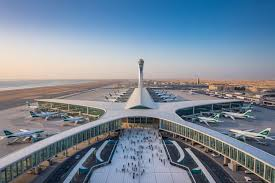
The United Arab Emirates stands out as a beacon of infrastructure development in the MENA region. Cities like Dubai and Abu Dhabi are recognized for their futuristic architecture and expansive transportation networks.
Recent initiatives include:
These projects not only enhance the UAE’s appeal as a business hub but also serve as a model for other nations in the region.
Saudi Arabia is making waves with its Vision 2030 initiative, which focuses on diversifying the economy and investing heavily in infrastructure. The country aims to reduce its dependence on oil revenues and promote tourism, entertainment, and technology.
Key infrastructure projects include:
These investments position Saudi Arabia as a major player in the infrastructure sector, attracting global investors eager to be part of this transformation.
Egypt is undergoing significant infrastructure development, essential for its economic growth and stability. The government is committed to modernizing its infrastructure to support both local and foreign investments.
Notable projects in Egypt include:
These initiatives reflect Egypt’s ambition to create a sustainable and robust infrastructure framework that can drive long-term economic growth.
Morocco is increasingly recognized as an infrastructure investment hotspot within MENA. The government is actively pursuing projects that enhance connectivity and promote sustainable development.
Key developments in Morocco include:
These advancements not only improve the quality of life for residents but also attract international investments, solidifying Morocco’s status as a key player in the region.
Technology plays a crucial role in the evolution of infrastructure investments across MENA. Smart city initiatives, digital infrastructure, and green technologies are becoming integral to projects in the region.
Innovations such as:
These technological advancements enhance the efficiency and sustainability of infrastructure projects, making MENA an attractive destination for forward-thinking investors.

While the potential for infrastructure investment in MENA is vast, several challenges persist. Political instability, regulatory hurdles, and economic fluctuations can impact the pace and success of infrastructure projects.
However, these challenges also present opportunities for innovation and collaboration. Investors who can navigate these complexities and forge partnerships with local governments and businesses will likely reap significant rewards.
Infrastructure investment hotspots in the Middle East and North Africa are thriving, driven by ambitious government initiatives and a commitment to modernization. The UAE, Saudi Arabia, Egypt, and Morocco each present unique opportunities for investors looking to capitalize on the region’s growth.
As countries continue to evolve and embrace new technologies, the landscape of infrastructure investment in MENA will remain dynamic and promising. The key to success lies in understanding the local context, leveraging technology, and fostering partnerships that drive sustainable development.
Do Follow Estate Magazine on Instagram
Read More:- Dubai Property Market Outlook 2026: 7 Powerful Growth Trends Ahead