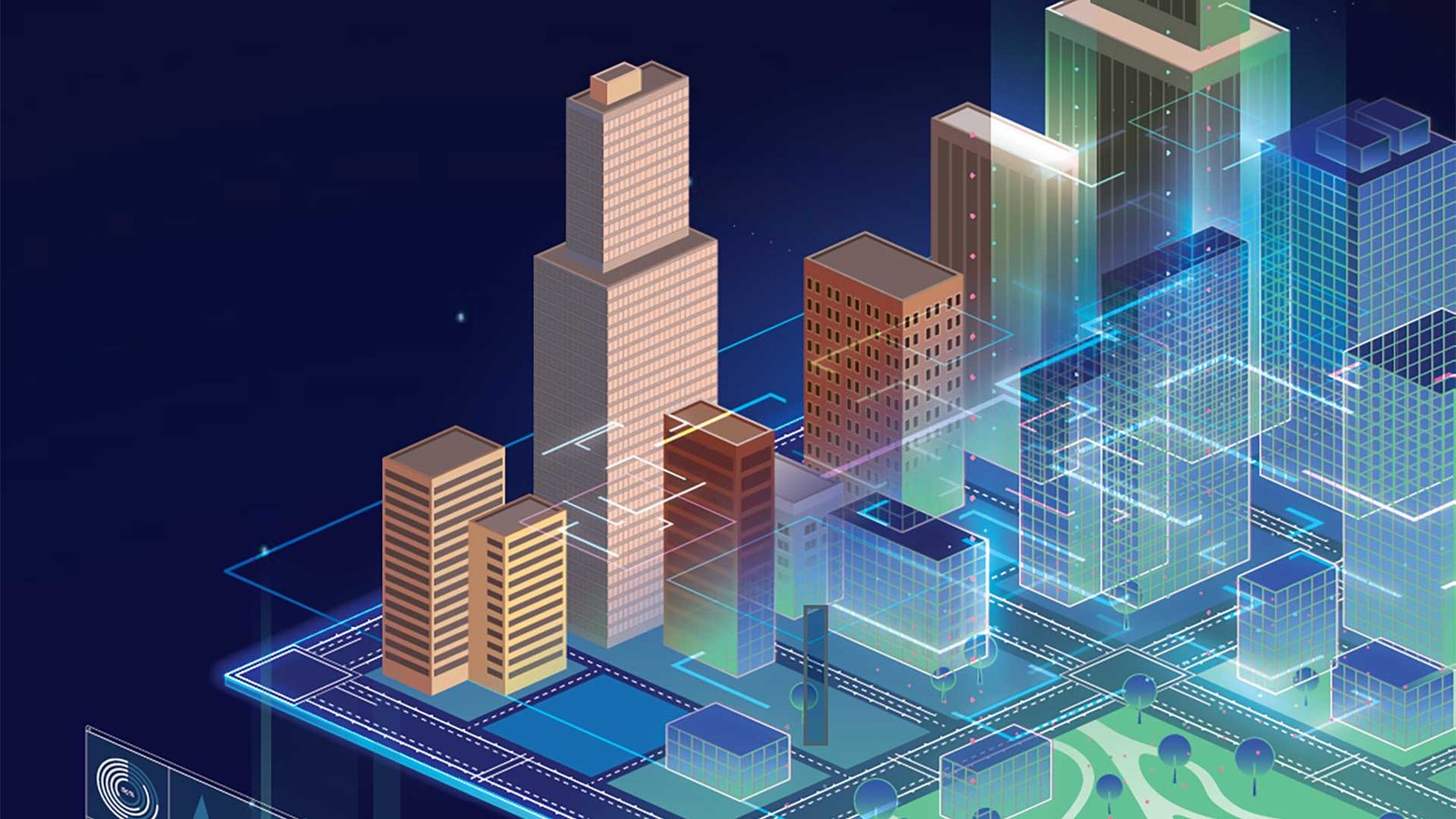
By 2040, the idea of “home” will mean far more than four walls and a roof. Homes will become deeply personal ecosystems designed to support our health, adapt to our emotions, conserve the planet, and seamlessly blend technology with comfort. The houses of the future will not feel cold or mechanical. Instead, they will feel intuitive, warm, and alive, responding to the needs of the people who live inside them.
As lifestyles evolve, work becomes more flexible, and sustainability becomes non-negotiable, homes will shift from static structures into intelligent living companions. The future of housing is not about luxury alone. It is about smarter living, emotional well-being, and long-term resilience.
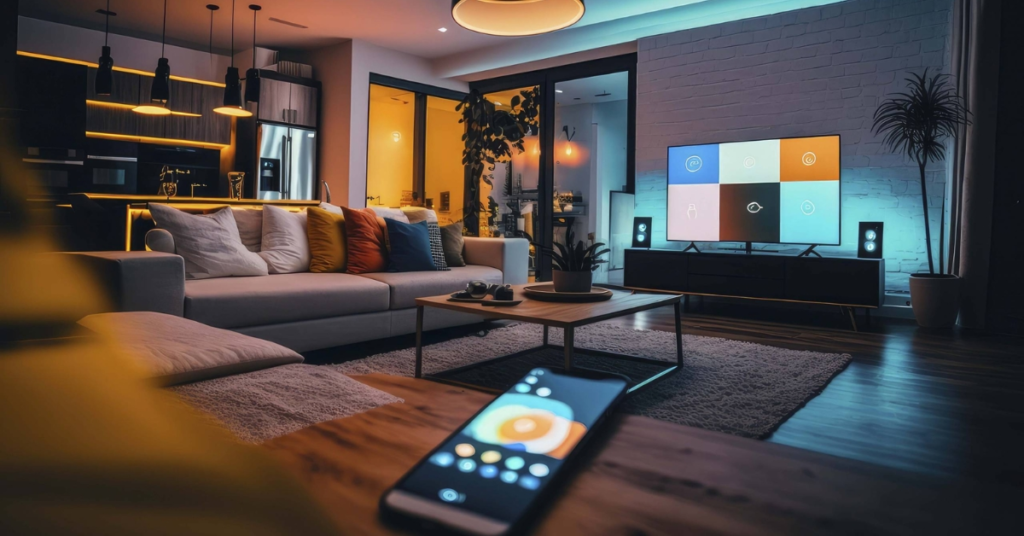
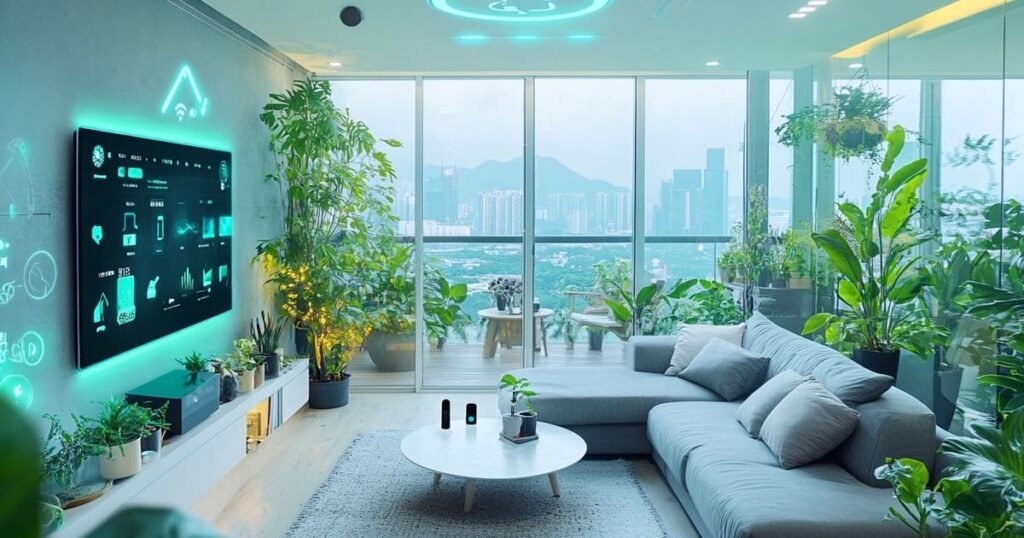
In 2040, homes will be powered by artificial intelligence that quietly learns from daily routines. Instead of residents adjusting their homes, homes will adjust themselves. Lighting will automatically soften as the evening sets in. Temperature will change based on body preferences, weather conditions, and even sleep patterns.
These intelligent systems will not feel intrusive. They will operate in the background, enhancing comfort without constant commands. Voice control will feel natural, but homes will also respond to gestures, movement, and behavioral patterns. Over time, every home will develop its own personality shaped by the people living inside it.
By 2040, eco-friendly living will no longer be optional or premium. It will be the default. Homes will be designed to produce more energy than they consume through solar skins, wind-integrated rooftops, and energy-storing walls.
Rainwater harvesting, greywater recycling, and zero-waste systems will be seamlessly built into home designs. Construction materials will be biodegradable, recycled, or carbon-negative. Even furniture and interiors will be designed with reuse and regeneration in mind.
Sustainability will not compromise aesthetics. Future homes will prove that environmentally responsible living can be elegant, stylish, and deeply comfortable.
The homes of 2040 will not be rigid in design. As life becomes more dynamic, spaces will need to evolve quickly. Rooms will transform throughout the day using movable walls, retractable furniture, and smart layouts.
A single space might function as a home office in the morning, a family dining area in the afternoon, and a relaxation zone in the evening. This flexibility will be essential as remote work, hybrid careers, and multi-generational living continue to rise.
Homes will adapt to life stages as well. From young professionals to growing families and aging residents, one home will be able to support multiple phases of life without major renovations.
Health will sit at the heart of future home design. By 2040, homes will actively monitor and support physical and mental well-being. Indoor air quality will be constantly optimized using advanced filtration systems that remove pollutants, allergens, and toxins.
Lighting will follow natural circadian rhythms to improve sleep and mood. Soundproofing will create peaceful environments even in busy urban areas. Some homes may include meditation zones, indoor gardens, or wellness pods designed for relaxation and recovery.
Smart bathrooms will track hydration levels and basic health indicators, offering gentle insights rather than alarming data. The goal will be prevention, balance, and everyday well-being.
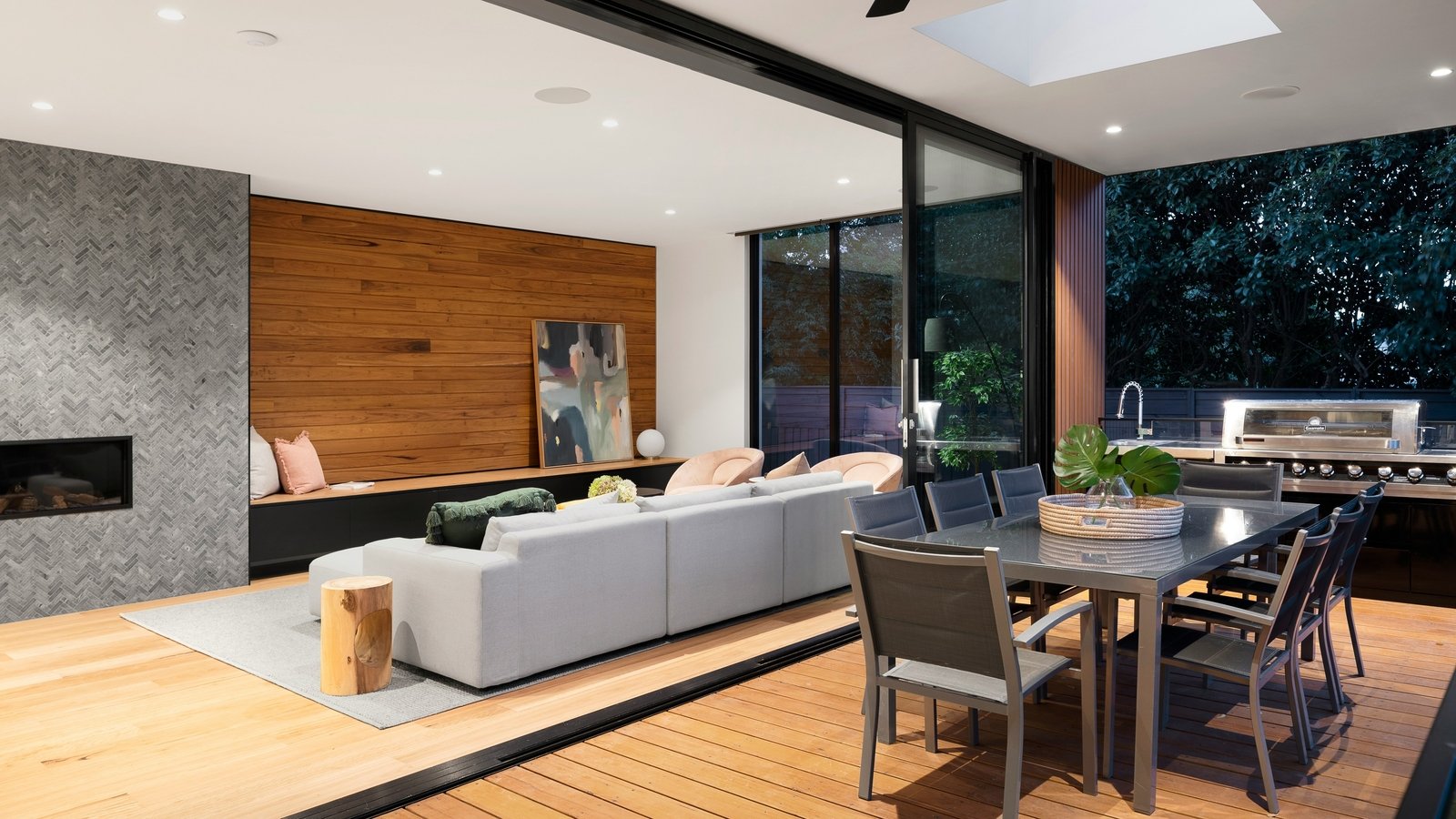
The homes of the future will blur the line between indoors and outdoors. Biophilic design will be central, bringing nature into everyday living. Vertical gardens, indoor trees, green walls, and natural ventilation systems will become common features.
Large openings and transparent structures will allow daylight and fresh air to flow freely. Even high-rise apartments will feel connected to nature through sky gardens and shared green terraces.
This connection to nature will not be decorative alone. It will help reduce stress, improve focus, and create a sense of calm that modern life often lacks.
Kitchens in 2040 will be intelligent, efficient, and deeply personalized. Smart appliances will track nutritional needs, suggest meals, and reduce food waste by monitoring expiry dates and portion sizes.
Some homes may include compact indoor farming systems where residents grow herbs, vegetables, and greens year-round. These systems will require minimal effort while ensuring access to fresh, chemical-free food.
Cooking will become a more mindful experience, blending technology with tradition. Kitchens will feel like creative spaces rather than functional corners.
Despite advanced connectivity, privacy will become a major design priority by 2040. Homes will include digital privacy zones where devices are limited or completely switched off.
Advanced encryption and personal data controls will allow residents to decide exactly how much information their home collects and stores. Transparency will replace blind trust, empowering homeowners to feel safe and secure in smart environments.
Sound insulation, visual privacy, and secure digital infrastructure will work together to create a sense of personal sanctuary.
While homes will be more personalized, they will also be more connected to surrounding communities. Future residential developments will focus on shared spaces such as co-working lounges, wellness centers, community kitchens, and green courtyards.
Technology will encourage human connection rather than replace it. Neighborhood apps may help residents share resources, organize events, and support one another.
Homes will no longer isolate people. They will become gateways to stronger, healthier communities.
By 2040, advanced housing technology will no longer be limited to high-end properties. Scalable design and mass innovation will make smart, sustainable homes accessible across income levels.
Modular construction and 3D-printed housing will reduce costs and construction time. This will allow cities to address housing shortages while maintaining quality and safety.
The future of housing will focus on dignity, comfort, and opportunity, ensuring that innovation benefits everyone, not just a few.
Perhaps the biggest transformation will be emotional. Homes in 2040 will be designed to make people feel understood. Lighting, textures, colors, and layouts will adapt to moods and moments.
A home will sense when it is time to energize or when it is time to slow down. It will support creativity, rest, connection, and healing. Technology will fade into the background, allowing people to focus on what truly matters.
Waking up in 2040 will feel effortless. Your home will gently prepare for the day, adjusting light, temperature, and sound to your preferences. Work will happen seamlessly within adaptable spaces. Meals will be healthier, air will be cleaner, and rest will come easier.
At the end of the day, your home will help you disconnect, unwind, and recharge. It will not demand attention. It will simply support your life.
Homes in 2040 will not be about showing off technology. They will be about living better. Smarter design, deeper sustainability, and human-centered innovation will redefine what comfort truly means.
The homes of the future will not just shelter us. They will care for us, grow with us, and quietly shape better lives.
Do Follow Estate Magazine on Instagram
Read More:- Experience Innovation: Dubai’s First Mercedes-Benz Themed Urban Masterpiece 2025