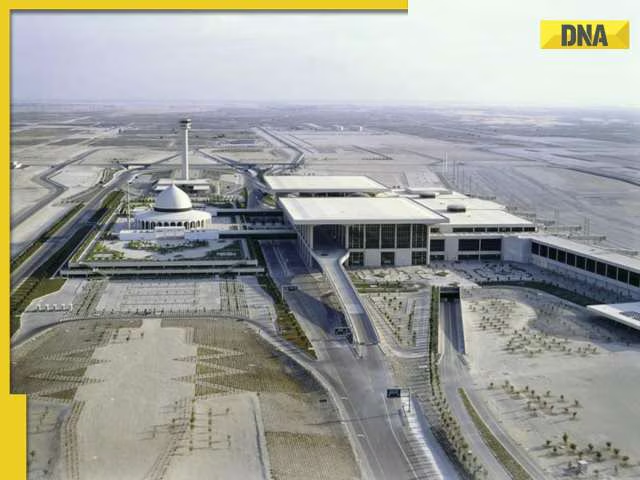
In the world of aviation, size does matter — and nowhere is that more clear than at King Fahd International Airport, the world’s largest airport by area. Located in Dammam, Saudi Arabia, this gigantic hub covers a mind-blowing 780 square kilometers, which is roughly the size of a small country or nearly 2,500 football fields combined. It is not only a transportation facility but a symbol of Saudi Arabia’s vision to connect itself with the world while boosting tourism and trade.
Many travelers may assume that places like Dubai International Airport or Atlanta Hartsfield-Jackson — known for their passenger volumes — would be the largest, but in terms of land area, King Fahd International is truly unmatched. This airport shows how grand infrastructure can shape the future of air travel.
King Fahd International Airport, also known by its IATA code DMM, opened for commercial flights in 1999. Built to serve the growing population and economic ambitions of the Eastern Province of Saudi Arabia, it was designed with a vision to accommodate millions of travelers in the coming decades. Today, the airport handles around 10 million passengers a year, a figure expected to rise as Saudi Arabia pushes forward with its “Vision 2030” plan to diversify its economy beyond oil.
In addition to its enormous passenger terminal, the airport features a royal terminal for the Saudi royal family and high-level guests, adding a touch of luxury to its impressive design. Its construction represents the country’s strategy to invest in world-class infrastructure to support tourism, commerce, and cultural exchange.
What makes King Fahd truly stand out is its sheer size. Spanning 780 square kilometers, the airport has room to expand its runways, build new facilities, and add commercial zones, hotels, and cargo hubs in the future. This massive area is even larger than the entire country of Bahrain, which covers about 760 square kilometers!
The airport’s size means it has the space to grow for decades without facing the limits that squeeze other airports in crowded urban areas. In the future, as passenger numbers rise, more terminals and gates can easily be added, making King Fahd an investment ready for the long term.
Despite its enormous land area, King Fahd International offers a smooth, modern passenger experience. The airport has a large, well-designed main terminal of over 300,000 square meters with 66 check-in counters, 15 gates, and modern facilities to handle both domestic and international flights. It also provides lounges, shopping areas, prayer rooms, and a wide range of food options for travelers.
For religious visitors, there is even a beautiful mosque within the airport complex that can hold more than 2,000 worshippers at once, making it one of the most striking spiritual features of any airport in the world.
The airport’s design is focused on efficiency and comfort, with well-marked signage and helpful staff ready to assist travelers. Thanks to its size, traffic congestion within the airport is minimal, providing a more relaxed and pleasant journey for passengers.
King Fahd International is not just about passengers; it also plays a crucial role in the cargo and logistics sector. The airport has a large cargo village that handles significant amounts of goods coming in and out of Saudi Arabia. As the kingdom grows its non-oil exports, this cargo hub is becoming more important, supporting industries like e-commerce, manufacturing, and even agriculture.
The airport’s enormous space is ideal for building logistics facilities and distribution centers, attracting businesses from around the world who want to use Saudi Arabia as a trade gateway to the Gulf region, Africa, and Asia. Its strategic location near the Persian Gulf gives it an extra advantage for sea-air multimodal transport, making it a smart choice for global supply chains.
Saudi authorities have major plans to upgrade and expand King Fahd International even further. As part of Vision 2030, the airport will see improvements to its terminals, runways, and technology systems. The aim is to increase passenger capacity, reduce environmental impact through sustainable practices, and develop new commercial areas on the vast land surrounding the airport.
The government hopes to encourage new airlines to open routes to Dammam, boosting tourism and making the Eastern Province a stronger hub for business and leisure travelers. Additionally, partnerships with global aviation leaders are expected to bring innovation and fresh investments to the airport.
While King Fahd International is the largest in area, other airports are bigger in passenger numbers. For example, Atlanta Hartsfield-Jackson International in the USA handles over 100 million passengers a year, making it the world’s busiest. Similarly, Dubai International is one of the busiest airports for international travelers. But none of them can match King Fahd’s massive land footprint.
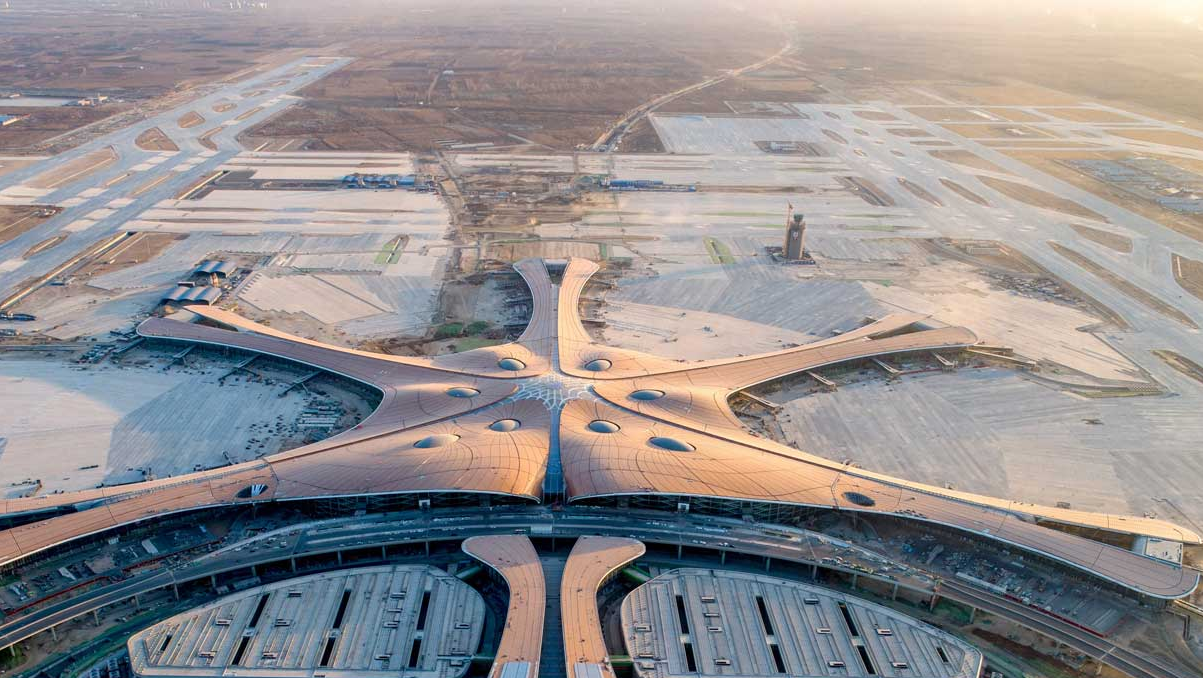
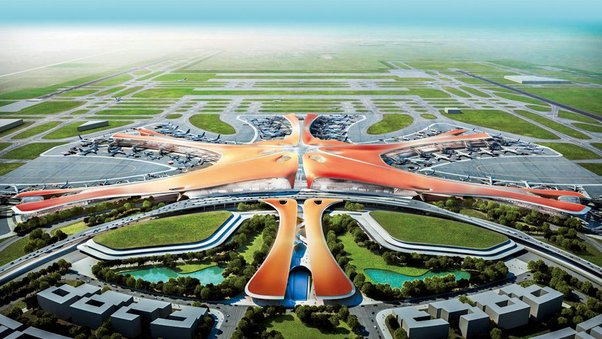
In China, Beijing Daxing International Airport, opened in 2019, is known for its cutting-edge starfish-shaped terminal and advanced technology, but it is still far smaller in total area than King Fahd. These airports highlight different ways of measuring “largest” — whether by area, passengers, or cargo — but King Fahd holds the clear title in land size.
As global travel grows, the world’s largest airport is well placed to support future demand. Its enormous land gives it unmatched flexibility to expand in ways that other airports simply cannot. That means more jobs, more tourism, more trade, and more opportunities for the Eastern Province of Saudi Arabia.
King Fahd International is a true symbol of modern aviation ambition — a super-sized airport designed not only to serve the needs of today but to grow along with the world of tomorrow. Whether you are a business traveler, a tourist, or a cargo shipper, chances are King Fahd will play a bigger role in global travel in the years ahead.
Read More:- Deyaar’s Latest Announcement Shakes Up the UAE Property Market