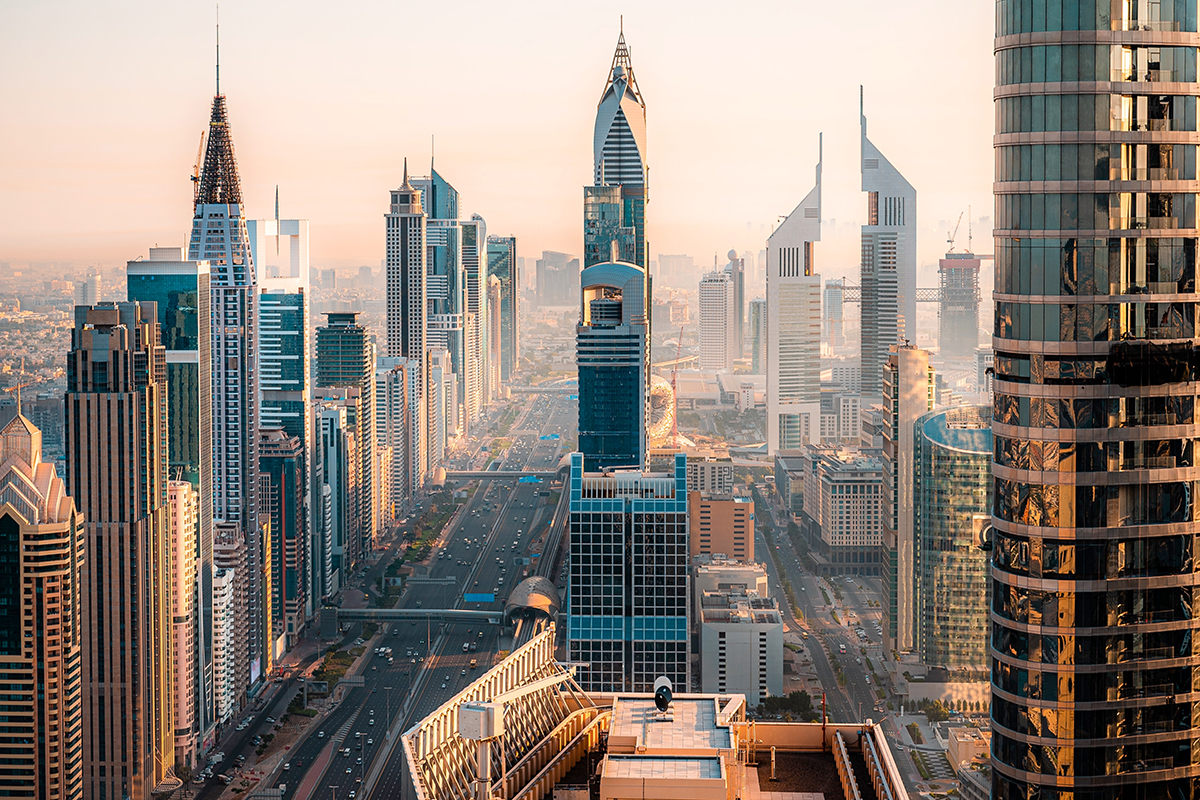
Dubai’s residential market is an ever-evolving landscape, characterized by its luxurious properties, diverse cultural influences, and an insatiable demand for real estate. With 2026 on the horizon, many investors, homeowners, and industry analysts are keenly pondering: Is Dubai’s residential market heading into 2026 with growth, stabilisation, or correction, and why? This question not only reflects the current state of the market but also highlights the underlying factors influencing its trajectory.
As we approach 2026, the Dubai residential market is witnessing a mix of trends. Over the past few years, the sector has shown remarkable resilience. The COVID-19 pandemic initially disrupted the market, but recovery has been robust. The influx of expatriates, high-net-worth individuals, and international investors has contributed significantly to this rebound.
In 2023, property prices in certain areas have surged, with prime neighborhoods seeing a significant uptick in demand. This surge has sparked debates among experts about whether this trend indicates sustainable growth or a potential bubble.

The strength of Dubai’s economy plays a crucial role in shaping the residential market. The emirate’s diversification efforts have led to significant job creation across various sectors, including technology, tourism, and finance. A stable job market attracts expatriates, leading to increased demand for housing.
Moreover, Dubai’s strategic location as a global business hub further enhances its appeal, ensuring that the residential market remains a popular choice for both investment and living.
The Dubai government has implemented several initiatives to stimulate the residential market. From attractive visa policies to incentives for foreign investors, these measures have made the city more appealing for long-term settlement. The introduction of the Golden Visa and other residency programs has encouraged many to invest in Dubai’s real estate.
Furthermore, regulatory frameworks ensuring transparency and security in transactions have bolstered investor confidence. As these initiatives continue, they may contribute to sustained growth in the residential sector as we approach 2026.
While Dubai’s residential market has seen significant growth, the dynamics of supply and demand are essential to understanding future trends. The influx of new developments has added a considerable amount of housing stock to the market. In response, property prices in some areas have stabilised, offering a more balanced environment for buyers and sellers.
New projects catering to various budgets and demographics are helping to meet the diverse needs of residents. This balanced approach may lead to a stabilisation of prices rather than a drastic correction, allowing the market to mature over the next few years.
Consumer confidence is a critical factor in determining market stability. Positive sentiments regarding economic prospects, safety, and lifestyle offerings in Dubai enhance buyer confidence. As long as the perception of Dubai remains strong among residents and investors, the likelihood of a significant downturn diminishes.
The continuous promotion of Dubai as a family-friendly and business-friendly destination plays a vital role in maintaining buyer interest. This sentiment is expected to contribute to a stabilisation of the residential market as we move closer to 2026.
Even as Dubai’s residential market shows resilience, it is not immune to global economic trends. Factors such as inflation, interest rates, and geopolitical tensions can impact investor sentiment and, consequently, the property market. As we approach 2026, these external influences could lead to a correction if economic conditions shift unfavorably.
A downturn in other major markets can also divert investment away from Dubai, leading to potential price corrections. Investors should remain vigilant and consider these factors when evaluating their positions.
With the rapid development of new properties, there is a risk of market saturation in certain segments. If supply continues to outpace demand, particularly in less desirable areas, this could lead to price corrections. Developers need to be strategic about their offerings, ensuring they meet current market needs to avoid an oversupply situation.
In summary, as we look toward 2026, Dubai’s residential market appears to be on a path of cautious optimism. While growth is evident in many sectors, stabilisation seems likely as supply and demand balance out. However, external economic factors could introduce elements of correction, making it essential for investors and homeowners to stay informed and adaptable.
By keeping a pulse on market trends, leveraging government initiatives, and understanding global influences, stakeholders can navigate the complexities of Dubai’s residential market effectively. Ultimately, the trajectory of this vibrant market will depend on how well it can sustain its growth while managing the forces of stabilisation and potential correction.
Do Follow Estate Magazine on Instagram
Read More:- Dubai Real Estate Sees Powerful Growth: What’s Next Ahead 2026