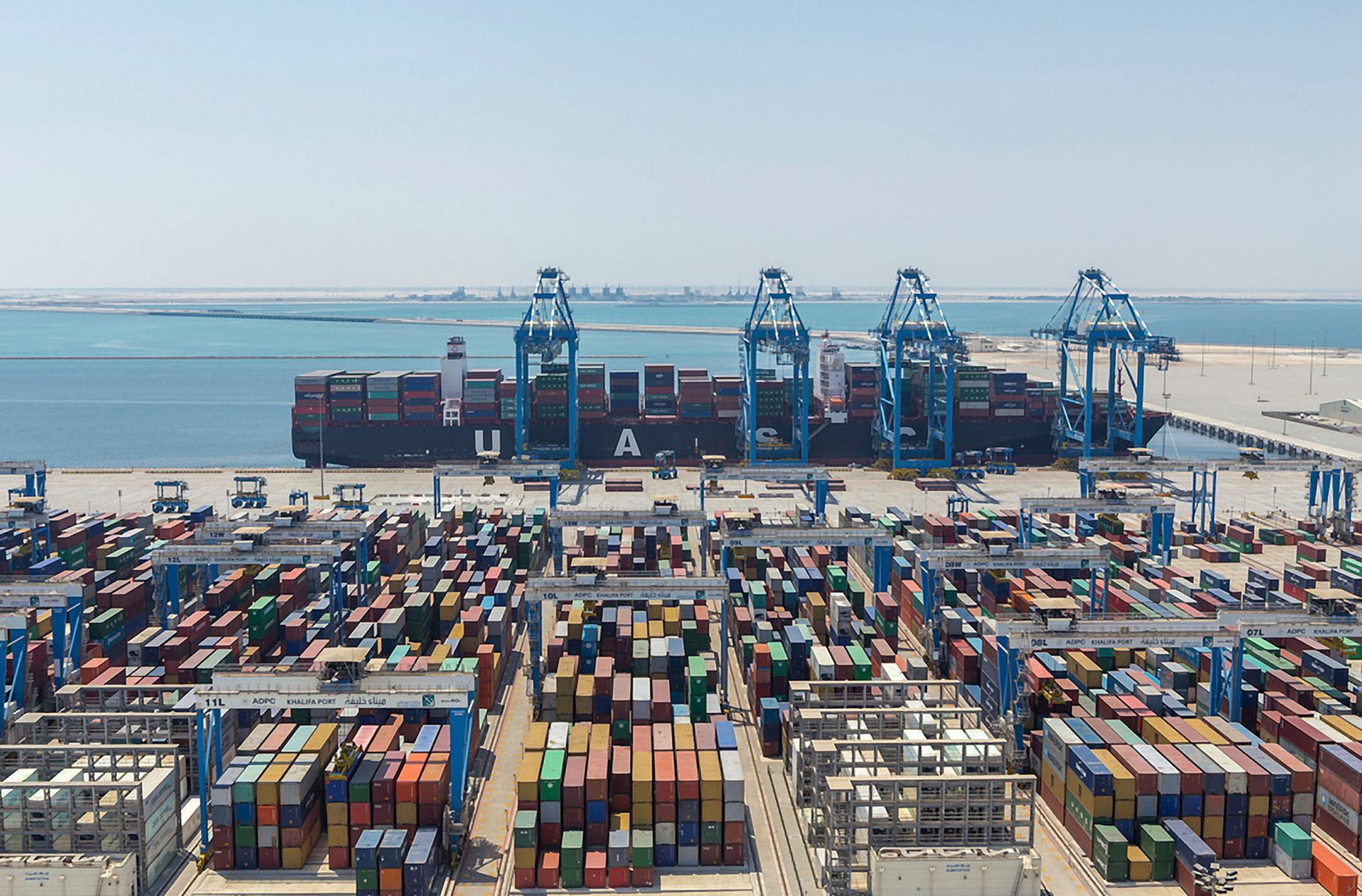
Kuwait’s Minister Al-Mashaan has praised the recent agreements signed between Kuwait and Abu Dhabi ports, describing them as a clear reflection of the strong, long-standing ties between the two sides. His remarks underline more than just commercial cooperation. They highlight a relationship built on trust, mutual respect, and a shared vision for economic progress in the Gulf region.
At a time when global trade is evolving rapidly, such partnerships demonstrate how regional collaboration can create stability, opportunity, and long-term growth. The minister emphasized that these deals are not isolated business transactions but part of a broader strategy to deepen economic integration and strengthen bonds between sister nations.
Ports play a critical role in shaping national economies. They serve as gateways for trade, logistics, and industrial development. The agreements between Kuwait and Abu Dhabi ports reflect a shared understanding of this importance and a commitment to enhancing operational efficiency, connectivity, and competitiveness.
Minister Al-Mashaan noted that cooperation in port development helps both sides leverage their geographic advantages. Kuwait’s strategic location at the northern edge of the Gulf and Abu Dhabi’s global logistics expertise together create powerful synergies that benefit not only the two partners but also regional and international trade networks.
By aligning port strategies, both sides aim to attract greater investment, improve supply chain resilience, and support the growth of non-oil sectors, which remain a priority for Gulf economies.

The minister highlighted that the port agreements are a practical step toward expanding bilateral trade and investment flows. Enhanced port capabilities are expected to reduce trade barriers, lower logistics costs, and create smoother movement of goods between markets.
This cooperation also sends a strong message to investors and global partners. It shows that Kuwait and Abu Dhabi are committed to creating a business-friendly environment supported by modern infrastructure, transparent processes, and forward-looking policies.
According to Al-Mashaan, such initiatives contribute directly to economic diversification efforts, creating new opportunities for private sector participation and supporting job creation across logistics, manufacturing, and related services.
Beyond economics, Minister Al-Mashaan described the agreements as a reflection of deep-rooted political and cultural ties between Kuwait and the United Arab Emirates. These ties have been nurtured over decades through shared values, regional cooperation, and mutual support during challenging times.
He stressed that successful economic partnerships are built on strong political understanding. The port deals, in this context, symbolize the confidence each side has in the other’s institutions, leadership, and long-term vision.
Such confidence enables both countries to plan jointly, invest boldly, and pursue ambitious projects that contribute to regional stability and prosperity.
One of the key benefits of the Kuwait–Abu Dhabi port agreements lies in improved regional connectivity. By coordinating port operations and logistics strategies, both sides can help streamline trade routes linking the Gulf with Asia, Africa, and Europe.
Minister Al-Mashaan pointed out that enhanced connectivity supports faster and more reliable supply chains, which are increasingly important in a world facing geopolitical uncertainty and shifting trade patterns. Strong regional logistics networks can act as a buffer against global disruptions.
This cooperation also aligns with broader Gulf ambitions to position the region as a central hub for global trade, connecting East and West through world-class infrastructure and services.

The agreements are not limited to infrastructure development alone. They also focus on knowledge exchange, technology adoption, and operational best practices. Abu Dhabi’s experience in managing advanced port facilities offers valuable insights that can support Kuwait’s port modernization efforts.
Minister Al-Mashaan emphasized the importance of learning from successful models while adapting them to local needs. Through training programs, technical collaboration, and shared innovation initiatives, both sides can raise operational standards and enhance competitiveness.
This focus on people and expertise adds a human dimension to the partnership, ensuring that progress is sustainable and inclusive.
The port cooperation aligns closely with Kuwait’s national development priorities, particularly efforts to modernize infrastructure and diversify the economy. By strengthening logistics capabilities, Kuwait can support industrial growth, boost exports, and improve its position in global trade rankings.
Similarly, Abu Dhabi continues to expand its role as a global logistics and maritime hub. Partnering with Kuwait allows it to extend its regional footprint while reinforcing economic ties within the Gulf.
Minister Al-Mashaan noted that such alignment of national goals creates a win-win situation, where shared success strengthens individual progress.
Another important aspect highlighted by the minister is the role of the private sector. Modern port development increasingly relies on public-private partnerships, innovation, and investment from global players.
The Kuwait–Abu Dhabi agreements are expected to create new opportunities for private companies in areas such as logistics services, shipping, warehousing, and industrial zones. By providing a stable and collaborative framework, the partnership encourages long-term investment and entrepreneurship.
Al-Mashaan stressed that empowering the private sector is essential for achieving sustainable economic growth and creating meaningful employment opportunities for future generations.
Minister Al-Mashaan described the port agreements as a model for how regional cooperation should work. Instead of competing in isolation, Gulf countries can achieve greater impact by working together, sharing strengths, and aligning strategies.
Such cooperation enhances the region’s collective resilience and strengthens its voice in global economic discussions. It also reinforces the idea that regional unity can coexist with national ambitions.
The minister expressed hope that this partnership would inspire similar initiatives across other sectors, including energy, transport, and digital infrastructure.
As Kuwait and Abu Dhabi move forward with implementing these agreements, expectations remain high. Minister Al-Mashaan conveyed confidence that the partnership will deliver tangible results, from improved port performance to stronger trade flows and deeper economic ties.
He concluded that the success of these deals lies not only in their commercial value but in what they represent: a shared commitment to progress, cooperation, and mutual prosperity.
In an increasingly interconnected world, the Kuwait–Abu Dhabi port partnership stands as a powerful reminder that strong relationships, built on trust and shared vision, can shape a more resilient and prosperous future for the region.
Do Follow Estate Magazine on Instagram
Read More:- Luxe Launches Game-Changing $626m Luxury Living Destination in RAK