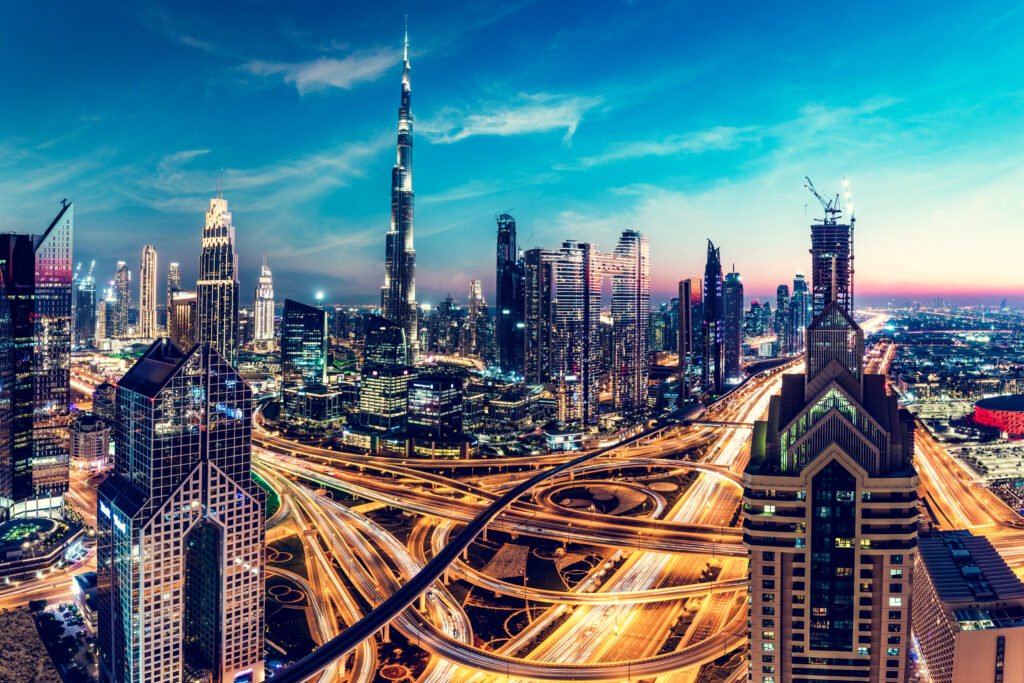
Water is one of the most essential resources on Earth. It covers more than 70% of our planet and is vital for every living being. Without water, life as we know it cannot exist. From drinking and cooking to agriculture and industry, water plays a central role in human survival. Yet, despite its abundance, water is not equally available everywhere, and its mismanagement is causing serious global Life challenges.
Drinking enough water is crucial for good health. Water helps regulate body temperature, supports digestion, and ensures proper functioning Life of organs. Experts recommend drinking at least 8 glasses of water daily, although the exact amount depends on a person’s age, weight, and activity level. Beyond personal health, access to clean water is a matter of life and death. Millions of people around the world still lack access to safe drinking water, leading to preventable diseases and health crises.
Water is also key to hygiene. Regular handwashing and proper Life sanitation prevent the spread of illnesses. In many developing countries, lack of clean water and sanitation is a major public health issue. Organizations worldwide are working tirelessly to improve water access and hygiene education, but challenges remain.
Agriculture is the largest consumer of water globally. Crops, livestock, and food production rely heavily on water. Irrigation systems help farmers grow food even in dry regions, but inefficient water use can lead to wastage and shortages. With the world population expected to reach nearly 10 billion by 2050, the demand for water in agriculture will continue to rise. Sustainable water practices, such as drip irrigation and rainwater harvesting, are essential to meet these growing needs.
Industries use water in various ways, from manufacturing and cooling to cleaning and processing products. Factories and businesses depend on a stable water supply for smooth operations. In urban areas, water is critical for homes, hospitals, schools, and businesses. The modern world could not function without it.
However, industrial use can also pollute water sources. Chemicals, waste, and untreated sewage can contaminate rivers, lakes, and groundwater. Protecting water quality is as important as ensuring its availability. Governments, companies, and communities must work together to prevent pollution and promote sustainable water management.
Despite water being abundant, it is unevenly distributed across the world. Some regions face extreme scarcity, while others experience flooding and waste. Climate change is making water management even more complex. Rising temperatures, changing rainfall patterns, and melting glaciers are affecting water availability worldwide.
Water scarcity can lead to conflicts, migration, and economic instability. Countries that share rivers and lakes often need strong agreements to avoid disputes. International cooperation is crucial to ensure water security for all.
Technology and innovation are playing a big role in addressing water challenges. Desalination plants convert seawater into freshwater, providing solutions for regions with limited natural water. Water recycling and rainwater harvesting help conserve and reuse water efficiently. Smart water management systems monitor usage, detect leaks, and ensure optimal distribution.
Education and awareness are equally important. Teaching people about water conservation, reducing wastage, and protecting natural water sources can make a huge difference. Simple actions, like turning off taps while brushing teeth or fixing leaks, contribute to global water sustainability.
Water will remain one of the most critical resources for the future. Sustainable management and global cooperation are essential to meet the growing demands of population, agriculture, and industry. Protecting water quality, promoting conservation, and investing in innovative solutions can ensure that every person has access to clean and safe water.
As the world faces climate change and population growth, water conservation is no longer optional. It is a responsibility that affects health, food security, economic development, and the environment. By understanding the value of water and taking action today, we can secure a sustainable future for generations to come.
READ MORE:- Deyaar’s Latest Announcement Shakes Up the UAE Property Market