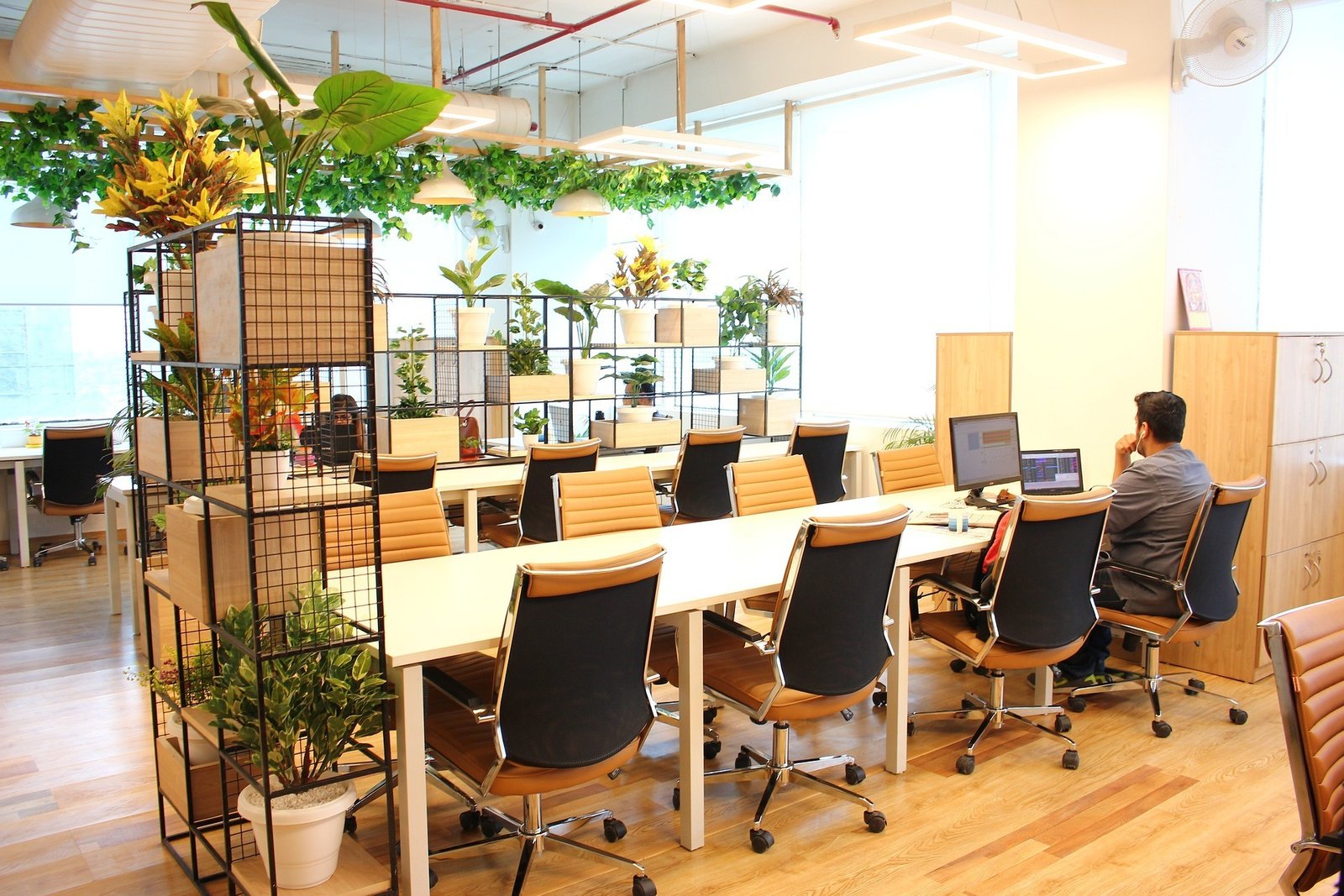
In today’s fast-paced world, the way we work is evolving rapidly. Traditional offices are no longer the only solution for professionals, freelancers, or startups. Co-working spaces have emerged as a revolutionary concept, offering flexibility, collaboration, and cost-effective alternatives to conventional work setups. Among the most attractive features are flexible membership plans, which allow businesses and individuals to choose options that perfectly match their needs and lifestyle.
Over the past decade, co-working spaces have shifted from niche hubs for freelancers to mainstream choices for entrepreneurs, startups, and even large enterprises. These spaces provide more than just a desk—they offer community, networking opportunities, and an environment designed to boost creativity and productivity.
Flexible membership plans are at the heart of this transformation. Unlike traditional leases, these plans allow members to scale up or down based on their requirements, providing unmatched adaptability in an uncertain business landscape.
Flexibility is no longer a luxury; it’s a necessity. Startups often face unpredictable growth, freelancers may work on multiple projects, and corporations may need temporary spaces for teams. Flexible membership plans cater to these needs by offering options such as:
This flexibility ensures that you only pay for what you use, making co-working spaces a cost-effective choice compared to traditional office rentals.

One of the key advantages of co-working spaces is their ability to enhance productivity. Flexible memberships often allow access to quiet zones, private offices, or meeting rooms on demand, enabling professionals to focus without distractions.
Features such as high-speed internet, ergonomic furniture, and modern office equipment contribute to a seamless work experience. Moreover, the structured environment of a co-working space encourages discipline, which can be difficult to maintain when working from home.
Co-working spaces are more than just workstations—they are hubs for connection and collaboration. Flexible memberships often come with access to events, workshops, and networking sessions where professionals from diverse industries meet and exchange ideas.
By working alongside like-minded individuals, you can:
This sense of community is particularly beneficial for startups and freelancers looking to expand their professional network.
Traditional office setups come with high overhead costs including rent, utilities, furniture, and maintenance. Flexible co-working memberships eliminate these expenses by offering all-inclusive packages.
Businesses can scale their space requirements up or down with ease. For instance:
This adaptability allows businesses to remain agile while optimizing operational costs.
Co-working spaces are no longer uniform. Modern providers offer a wide range of environments to suit different work styles:
Flexible memberships often include access to multiple areas, allowing professionals to switch environments depending on the task or mood.
A growing number of professionals seek a balance between productivity and personal life. Co-working spaces with flexible plans help achieve this by providing:
These factors contribute to better mental health, job satisfaction, and overall efficiency.
Modern co-working spaces are tech-friendly, offering tools and platforms that enhance work experiences. Flexible memberships may include:
These technological enhancements make co-working spaces not just convenient but also competitive compared to traditional offices.

The rise of remote work has changed business dynamics forever. Companies are now seeking flexible solutions that allow teams to work from anywhere while staying connected. Co-working memberships support this by offering:
This flexibility ensures seamless continuity of work regardless of location or schedule.
Many co-working providers focus on sustainability, offering eco-friendly buildings, energy-efficient solutions, and waste reduction initiatives. Flexible memberships often include shared resources that reduce environmental impact compared to multiple private offices.
Additionally, co-working spaces foster a community spirit where members contribute to collective growth, participate in social initiatives, and support local businesses.
Selecting a co-working space requires careful consideration. Here are some tips:
The demand for co-working spaces with flexible plans is set to grow. Businesses are increasingly valuing adaptability, cost-efficiency, and employee satisfaction. Innovations such as AI-powered workspace management, hybrid memberships, and global co-working networks will redefine the way professionals work.
For individuals and companies alike, flexible co-working spaces represent not just a place to work but a lifestyle choice—blending productivity, networking, and personal growth seamlessly.
Co-working spaces with flexible membership plans offer unmatched freedom, cost efficiency, and community engagement. They cater to professionals across industries, whether it’s freelancers seeking occasional access, startups looking for scalable offices, or corporations exploring hybrid work solutions.
The modern workspace is no longer confined to rigid office walls. Flexible memberships empower professionals to take control of their work environment, enhance productivity, and connect with like-minded individuals. Investing in a co-working space today is not just about renting a desk—it’s about embracing the future of work with freedom, efficiency, and opportunity.
Do Follow Estate Magazine on Instagram
Read More: Luxor by Imtiaz: Fully Furnished Smart Homes in JVC Dubai 2025