For years, Dubai real estate market thrived on momentum. Buyers chased rapid price growth, off-plan launches sold out overnight, and emotional decisions often overshadowed long-term fundamentals. That era is now giving way to a more measured, rational approach. Investors and end users alike are reassessing what truly creates value, shifting from speculation to logic-based buying.
This evolution does not signal a slowdown. Instead, it reflects maturity. Buyers are asking sharper questions, prioritizing asset quality, developer credibility, connectivity, and income resilience. Dubai’s property market is entering a phase where decisions are grounded in data, lifestyle practicality, and sustainable returns rather than short-term hype.
The earlier cycles of Dubai real estate were defined by speed. Launch-day queues, quick flips, and market buzz played a major role in purchase decisions. While these factors once generated outsized gains, they also introduced volatility and risk.
Today’s buyers are more experienced and better informed. Many are global investors who compare Dubai not only to regional markets but to mature global cities. As a result, purchasing decisions are increasingly backed by rental yields, infrastructure planning, long-term population growth, and developer track records. This shift reflects confidence in Dubai’s stability rather than uncertainty.
Logic-based buying is not about being cautious; it is about being intentional. Buyers now want clarity on why a property will hold or grow its value over time, how easily it can be rented or resold, and whether it aligns with future urban development.
Luxury real estate remains central to this new decision-making mindset, but the definition of luxury has evolved. It is no longer limited to finishes or brand names. True luxury now includes location quality, views, privacy, community planning, and long-term desirability.
High-end properties in well-planned master communities are seen as value anchors during market cycles. These assets tend to attract resilient demand from both residents and international buyers, offering stability even during broader market adjustments. Logic-driven investors recognize that premium assets often experience less price volatility and enjoy stronger rental appeal.
Luxury, in this context, is about enduring relevance. Properties that combine thoughtful design, waterfront access, green spaces, and integrated retail are increasingly viewed as future-proof investments rather than lifestyle indulgences.
One of the clearest signs of logic-based buying is the growing preference for Tier-1 developers. Buyers are placing strong emphasis on delivery history, build quality, financial strength, and post-handover community management.
Established names such as Emaar Properties are gaining renewed attention because trust reduces risk. Investors understand that a reputable developer directly influences resale value, rental demand, and long-term community upkeep.
This shift is particularly important in a market with abundant choice. When buyers prioritize developer credibility, they reduce uncertainty and gain confidence that the project will perform as promised. Logic-based investors are willing to pay a premium for reliability, seeing it as a safeguard rather than an added cost.
Infrastructure has become one of the strongest drivers of rational property decisions. Communities connected to mass transit networks are increasingly favored due to convenience, accessibility, and long-term demand sustainability.
Dubai’s expanding metro network is reshaping how buyers assess locations. Properties near stations benefit from broader tenant pools, reduced reliance on cars, and improved daily mobility. For investors, this translates into higher occupancy rates and more consistent rental income.
Communities aligned with transport planning are viewed as strategically positioned for future growth. Buyers now see metro connectivity not as a bonus, but as a core investment criterion that supports both lifestyle value and financial performance.

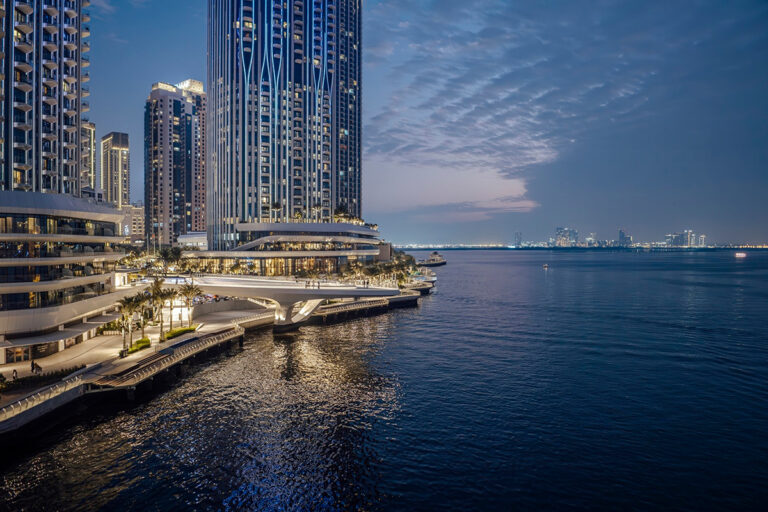
A prime example of this logic-driven trend is Dubai Creek Harbour. Designed as a large-scale, integrated waterfront destination, the community is gaining attention not because of short-term buzz, but because of its strategic planning and future readiness.
With upcoming metro connectivity enhancing accessibility, Dubai Creek Harbour is positioned to appeal to both residents and investors seeking balance between urban convenience and lifestyle appeal. The combination of waterfront living, central location, and transport integration aligns perfectly with rational investment criteria.
Buyers are recognizing that such communities are built for longevity. They are not dependent on speculative demand but on real-world usability, making them attractive in both strong and stable market conditions.
Another notable shift is the growing interest in commercial real estate. Offices, retail spaces, and mixed-use assets are being evaluated through the lens of income stability and business demand rather than pure capital appreciation.
As Dubai continues to attract global companies, entrepreneurs, and remote workers, well-located commercial assets offer predictable cash flow potential. Logic-based investors appreciate the diversification these assets bring to a portfolio, especially when paired with residential holdings.
The focus is on quality over quantity. Buyers prefer buildings with modern layouts, strong management, and proximity to transport and residential hubs. This reflects a broader understanding that commercial assets perform best when integrated into vibrant, well-connected communities.
Logic-based buying also means understanding who the future residents and tenants will be. Investors are analyzing population growth patterns, employment hubs, and lifestyle preferences before committing capital.
Dubai’s appeal to skilled professionals, entrepreneurs, and high-net-worth individuals shapes demand for specific property types. Homes that cater to these demographics, offering connectivity, amenities, and flexible layouts, are more likely to maintain consistent demand.
This analytical approach marks a clear departure from impulse-driven investing. Buyers want alignment between the asset and the people who will live or work there, ensuring relevance across economic cycles.
The move toward logic-driven decisions is strengthening Dubai’s real estate ecosystem. A market guided by fundamentals is more resilient, transparent, and attractive to long-term capital. It encourages responsible development, better urban planning, and improved end-user experiences.
For buyers, this shift brings confidence. Decisions are no longer rushed or reactive but thoughtful and aligned with personal or portfolio goals. For the city, it signals a real estate sector that supports sustainable growth rather than speculative spikes.
Dubai’s property market is not losing its dynamism. It is refining it. Logic is becoming the new driver of success, ensuring that investments made today remain relevant and rewarding well into the future.
Do follow Estate Magazine on Instagram
Read More:- Will Dubai Rents Ease in 2026? A Guide for Tenants and Landlords