In recent years, luxury skylines have been transformed not just by architecture or location, but by a single powerful factor: celebrity branding. From Hollywood icons to global sports stars, the names associated with real estate projects are influencing how properties are marketed, sold, and even designed. These aren’t just buildings they’re symbols of status, aspiration, and lifestyle.
But why has this phenomenon suddenly become so widespread? To understand the rise of celebrity-branded real estate, we need to look at a mix of cultural influence, market dynamics, and the evolving expectations of modern buyers.
Celebrities have long influenced trends in fashion, beauty, and entertainment, but today their influence extends far beyond. A property bearing a famous name instantly signals luxury, prestige, and exclusivity. Buyers aren’t just purchasing a unit—they’re buying into a lifestyle curated by someone they admire.
This branding goes beyond aesthetics. Developers collaborate with celebrities to design interiors, amenities, and even common spaces that reflect the personality and lifestyle of the star. From sleek, minimalist apartments inspired by Hollywood actors to vibrant, tech-driven offices designed by renowned entrepreneurs, these projects carry a promise of a certain way of living or working.
H3: Emotional Connection Drives Desire
The emotional appeal of celebrity-backed projects cannot be overstated. Human psychology is wired to admire and emulate those we look up to. Owning a property associated with a global star triggers feelings of closeness, status, and accomplishment. In essence, it’s not just real estate—it’s a personal connection to fame, creativity, and luxury.
Celebrity-branded properties are not only about prestige; they are also smart investments. These developments often generate higher initial sales prices and maintain strong resale value, largely due to their brand association. Buyers perceive celebrity-backed projects as more secure, exclusive, and likely to appreciate over time.
Developers benefit as well. Partnering with a celebrity allows them to market properties more effectively without massive advertising budgets. The star’s name becomes a global marketing tool, attracting buyers from diverse regions who might not have considered the location otherwise.
Another key economic factor is scarcity. Many celebrity-branded projects are intentionally limited in scale, creating an aura of exclusivity. Limited availability drives urgency and demand. The logic is simple: when fewer units are available, the value perception rises. Buyers are willing to pay a premium for a sense of belonging to an elite community.
Social media has accelerated the appeal of celebrity-branded real estate. Platforms like Instagram, TikTok, and YouTube allow stars to showcase their involvement in projects in real-time, giving followers a sense of participation. A well-timed post featuring a penthouse tour, a launch event, or a sneak peek at design elements can create global buzz within hours.
H3: Influencer Culture Meets Property Market
In today’s influencer-driven world, celebrity-backed real estate merges entertainment with investment. Buyers, particularly millennials and Gen Z investors, are more likely to consider properties endorsed or designed by someone they follow online. The personal branding of the celebrity becomes inseparable from the perceived value of the property itself.
Collaborating with celebrities often results in distinctive design features that differentiate these properties from traditional developments. The involvement of a well-known actor, designer, or entrepreneur can lead to innovative layouts, unique materials, or custom technology integrations that appeal to a lifestyle-conscious audience.
From high-tech smart homes to spa-like wellness facilities, celebrity-branded properties cater to modern buyers’ desires for personalization and convenience. Even common areas, like lounges and gyms, are often designed to provide experiences aligned with the celebrity’s public persona. This approach creates a sense of narrative and storytelling, making the property more than just a building—it becomes a curated experience.
While the trend may have started in major U.S. cities like Los Angeles and Miami, celebrity-backed real estate has now gone global. Cities such as Dubai, London, and Mumbai have embraced this concept, combining luxury architecture with star power. International investors are drawn by the allure of owning a property linked to global icons, while local buyers enjoy the prestige that comes with association.
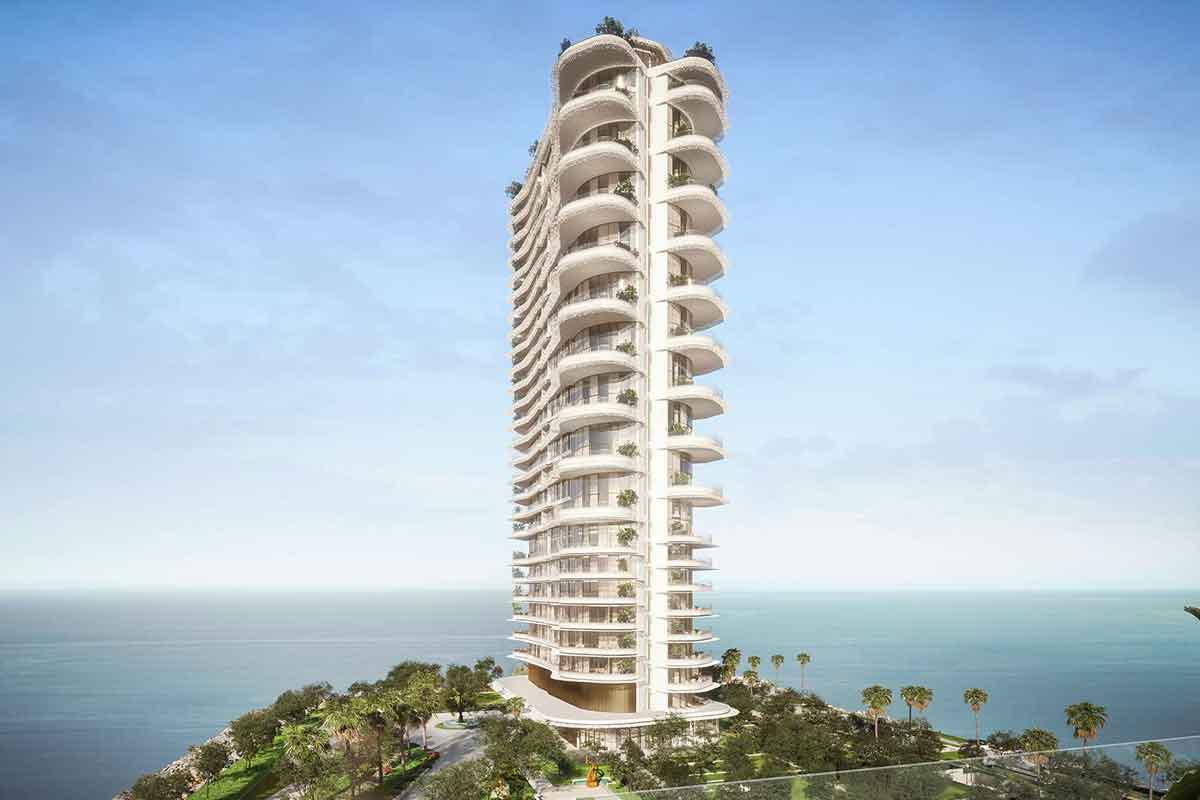
Developers are carefully selecting locations that complement the celebrity’s brand. For instance, a Hollywood actor’s beachfront luxury tower will attract buyers looking for sun-soaked, exclusive lifestyles. Meanwhile, an entrepreneur’s office complex in a tech hub might appeal to startups and investors seeking a cutting-edge work environment.
The media plays a crucial role in amplifying the impact of celebrity-branded projects. Launch events, exclusive previews, and social media campaigns generate extensive coverage. Every appearance or endorsement becomes a marketing opportunity, further increasing visibility and desirability.
Some developers position celebrity-branded units as limited editions or collectibles. Buyers are drawn to the notion that they are part of a rare, curated community. This approach taps into human psychology, leveraging concepts like scarcity, aspiration, and social proof to maximize impact.
Despite its popularity, celebrity-branded real estate comes with potential risks. The project’s success often depends heavily on the celebrity’s reputation. Any controversy surrounding the star can affect property perception, investor confidence, and sales.
Some critics argue that the emphasis on celebrity branding may overshadow practical considerations like location, infrastructure, and long-term sustainability. Buyers need to weigh the hype against actual property value and future potential, ensuring that glamour doesn’t cloud judgment.
Celebrity-branded real estate is more than a passing fad. As long as fame, social media influence, and lifestyle aspiration continue to drive consumer behavior, this segment is poised for growth. Developers are likely to deepen collaborations, integrating digital experiences, metaverse tie-ins, and personalized services to enhance appeal.
For aspiring investors, this trend opens up unique opportunities. From fractional ownership models to celebrity-branded office spaces that combine work and lifestyle, the options are expanding. Buyers can now participate in high-profile developments in ways that were previously inaccessible.
Celebrity-branded real estate and office towers represent a convergence of culture, economics, and human aspiration. They are not just buildings—they are statements of identity, success, and lifestyle. As fame continues to shape global trends, the intersection of celebrity influence and property development is likely to grow, offering both luxury and opportunity for those who understand the new rules of real estate.
In a world where social media amplifies every move and lifestyle has become a key currency, these star-powered towers offer more than square footage they promise status, experience, and a connection to a world most people only dream of. The question is no longer whether this trend will last it’s how far and fast it will shape the skylines of tomorrow.
Do Follow Estate Magazine on Instagram
Read More:- UAE Executives Redefining Success and Innovation in 2025