Dubai, a vibrant metropolis in the heart of the Middle East, has emerged as a global hub for trade, tourism, and innovation. Over the years, the city has experienced remarkable GDP growth, driven by a combination of strategic initiatives, economic diversification, and a thriving business environment. Understanding the macro trends that underpin Dubai’s GDP growth is essential for anyone looking to grasp the essence of this dynamic economy.
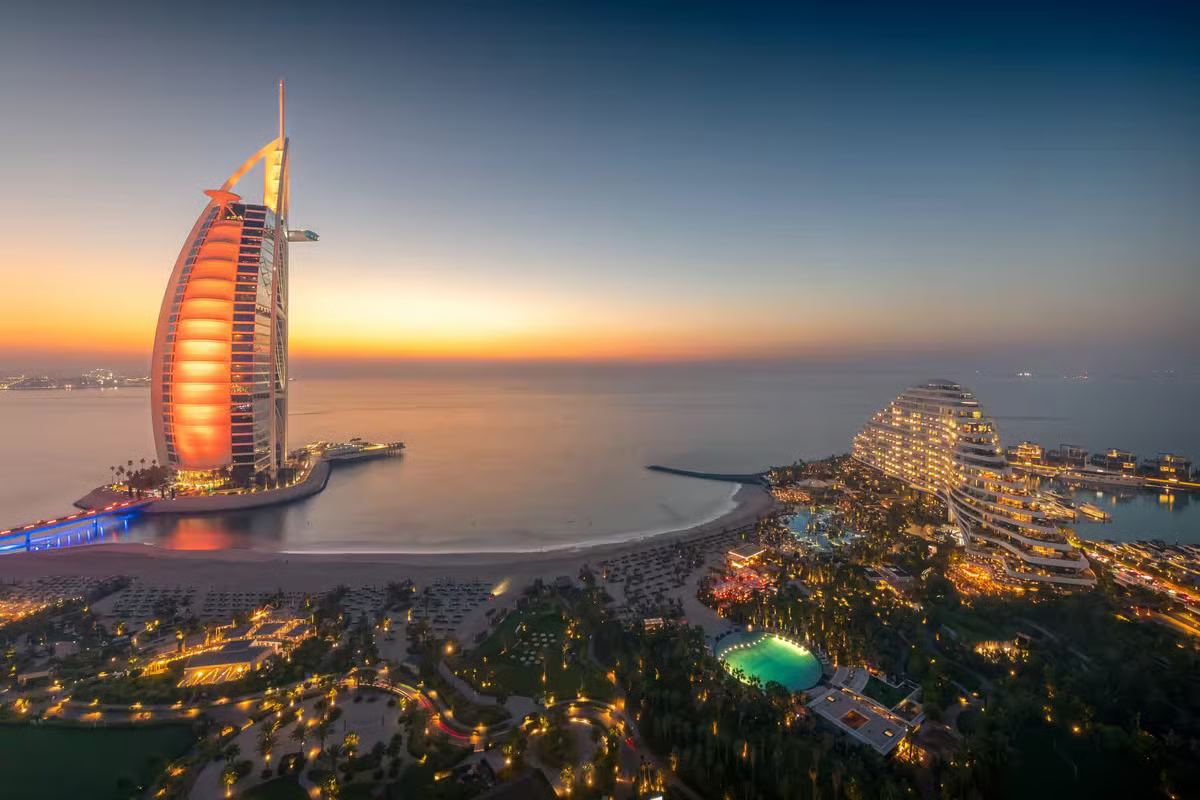
Tourism plays a pivotal role in Dubai’s GDP growth. The city is home to iconic landmarks such as the Burj Khalifa and the Palm Jumeirah, attracting millions of visitors each year. With a range of luxurious hotels, shopping malls, and entertainment options, Dubai has positioned itself as a premier destination for both leisure and business travelers.
The government’s efforts to promote tourism through events like the Dubai Shopping Festival and Expo 2020 further boost this sector. These initiatives not only attract tourists but also create jobs and stimulate local businesses, contributing significantly to the overall economy.
Historically, Dubai’s economy relied heavily on oil revenues. However, the city has made significant strides in diversification, reducing its dependence on hydrocarbons. Sectors such as real estate, finance, and technology have gained prominence, driving GDP growth.
The Dubai Economic Agenda, known as “D33”, aims to double the size of the economy over the next decade by fostering innovation and increasing investment in non-oil sectors. This strategic shift has opened new avenues for growth and has made the economy more resilient to global fluctuations in oil prices.
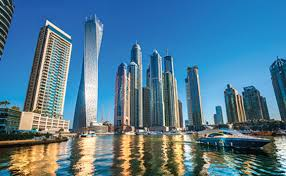
The real estate sector is another key driver of Dubai’s GDP growth. The city has witnessed a construction boom, with numerous residential and commercial developments transforming its skyline. This surge in real estate activities not only generates substantial revenues but also attracts foreign investment.
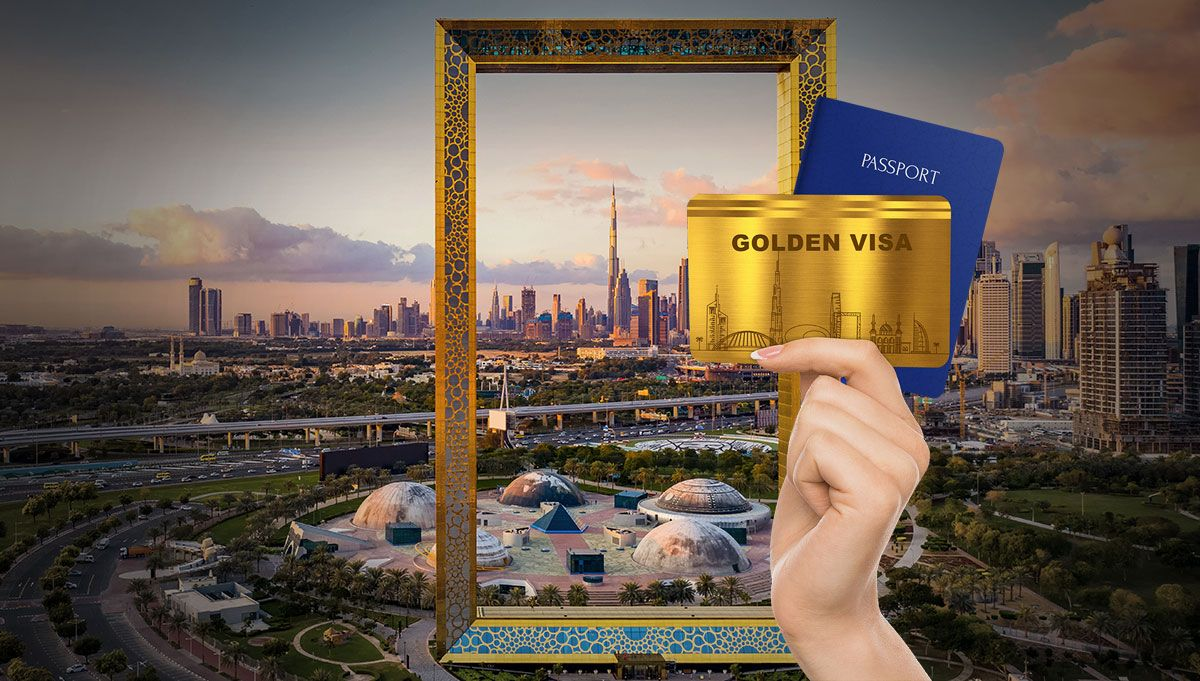
Moreover, initiatives like the Golden Visa program have encouraged expatriates to invest in Dubai’s real estate market, further fueling growth. As Dubai continues to expand its infrastructure and enhance its appeal as a living and business destination, the real estate sector remains a critical contributor to GDP.
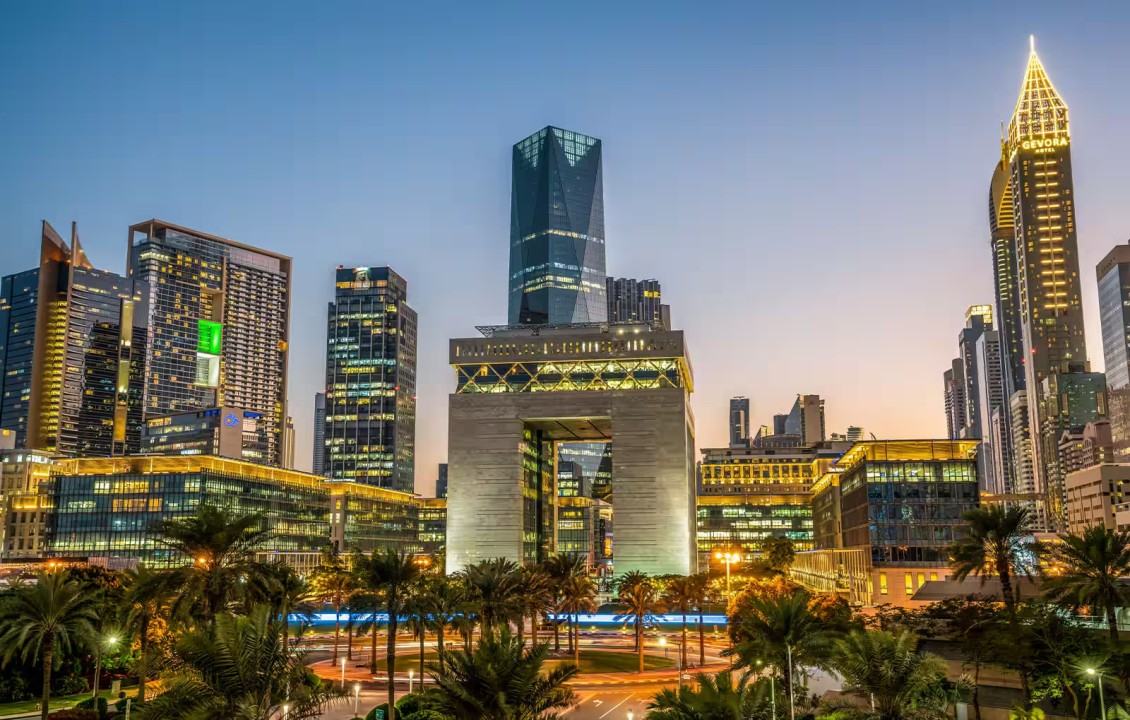
Dubai’s financial sector has evolved into a robust pillar of its economy. The establishment of the Dubai International Financial Centre (DIFC) has positioned the city as a leading financial hub in the region. With a regulatory framework that encourages growth and innovation, the financial services sector attracts global companies and investors.
This influx of capital and expertise stimulates economic activity, creating jobs and supporting other sectors. The interconnectedness of the financial sector with tourism, real estate, and trade amplifies its impact on GDP growth.
Dubai’s strategic geographical location makes it a crucial trade and logistics hub. The city serves as a gateway between East and West, facilitating the movement of goods and services. The development of state-of-the-art ports and logistics facilities has cemented Dubai’s position in global supply chains.
The rise of e-commerce has further boosted trade activity, with local companies capitalizing on the increasing demand for online shopping. This trend not only enhances trade volumes but also contributes to GDP growth by creating new business opportunities and jobs.
In recent years, Dubai has embraced innovation and technology as key drivers of economic growth. The city has invested heavily in smart city initiatives, aiming to enhance the quality of life for residents and visitors alike. From smart transportation systems to advanced digital infrastructure, these innovations are setting the stage for sustainable growth.
The technology sector, particularly in areas such as fintech and artificial intelligence, is rapidly expanding. By fostering a culture of innovation, Dubai is not only attracting talent but also creating a conducive environment for startups and entrepreneurs, which in turn contributes to GDP growth.
As the world shifts towards sustainability, Dubai is aligning its economic strategies with environmental considerations. The city has initiated various projects aimed at promoting renewable energy and sustainable practices. The Dubai Clean Energy Strategy 2050 aims to make the city a global center for clean energy and green economy.
This commitment to sustainability not only enhances Dubai’s global standing but also opens up new avenues for economic growth. By investing in green technologies and sustainable infrastructure, the city is preparing for a future that balances economic development with environmental responsibility.
Dubai’s GDP growth drivers are a testament to its adaptability and forward-thinking approach. The city’s commitment to tourism, diversification, real estate, finance, trade, innovation, and sustainability paints a promising picture for its economic future. As macro trends continue to evolve, Dubai remains well-positioned to thrive in the global economy, making it an exciting place to watch.
In summary, understanding the macro trends that influence Dubai’s GDP growth provides valuable insights into the city’s economic landscape and future potential.
Do Follow Estate Magazine on Instagram
Read More:- Inflation & Housing Prices in Dubai: 7 Powerful Trends Every Investor Must Know