
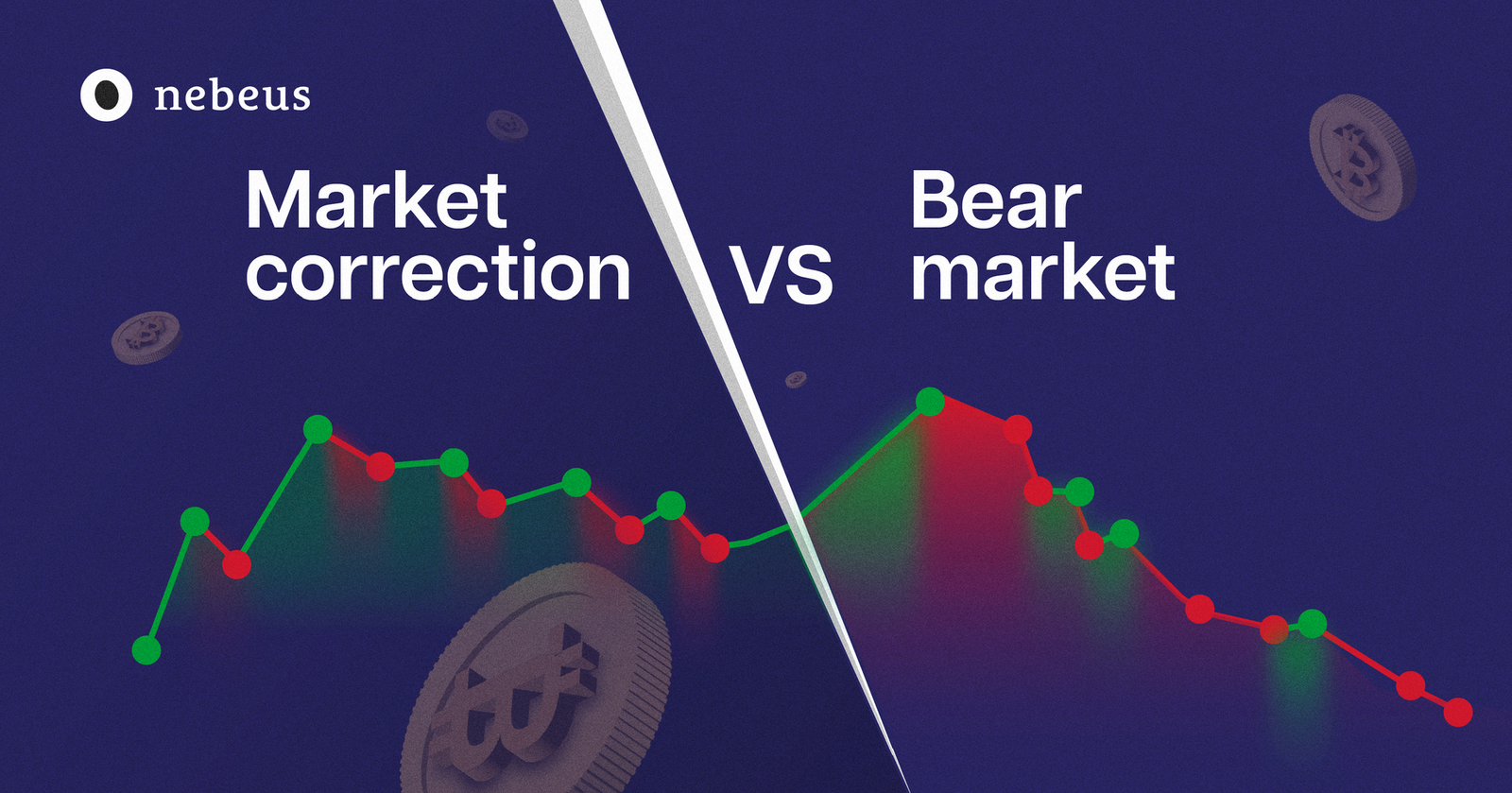
Understanding the interplay between real estate valuation standards and AI regulation is essential in today’s rapidly evolving property market. As technology continues to reshape various industries, the realm of real estate is no exception. The valuation of properties, which has traditionally relied on human expertise and market knowledge, is increasingly influenced by artificial intelligence. This fusion raises questions about the adequacy of current valuation standards and the necessity for AI regulation. In this article, we will delve into the dynamics of market corrections versus sustained growth, exploring how they affect real estate valuation standards and the regulatory landscape of AI.
Real estate valuation standards serve as the backbone of property assessments. They provide guidelines that professionals must adhere to when determining a property’s worth. These standards ensure consistency, transparency, and credibility in the valuation process. As the market fluctuates, especially during periods of correction or growth, these standards must adapt to reflect current realities.
In a market correction, where property values may decline, adhering to established valuation standards helps prevent overpricing and protects both buyers and sellers. Conversely, during times of sustained growth, these standards can help identify fair market value amidst rising prices. The challenge lies in the balance between maintaining rigorous standards and allowing flexibility for innovation, particularly in the face of AI advancements.
Artificial intelligence is revolutionizing the way properties are valued. By utilizing vast amounts of data, AI can analyze market trends, property features, and historical sales data at an unprecedented speed and accuracy. This technology can generate property valuations that are not only timely but also reflective of the current market conditions. However, the integration of AI into real estate valuation raises important questions regarding the reliability of these automated assessments.
As AI tools become more prevalent, stakeholders must consider the implications for valuation standards. Are current guidelines sufficient to encompass the capabilities of AI? Do we need new standards that account for machine learning algorithms and their impact on property assessments? The answer lies in a collaborative approach that includes real estate professionals, data scientists, and regulatory bodies.
With the growing reliance on AI in real estate valuation, regulatory oversight becomes crucial. The absence of clear regulations can lead to misuse, biased algorithms, and inconsistent valuations. Ensuring that AI systems are transparent, fair, and accountable is essential for maintaining the integrity of the real estate market.
Regulating AI in real estate could involve establishing standards for data usage, algorithm transparency, and ethical considerations. Stakeholders must work together to develop a framework that not only protects consumers but also fosters innovation. This regulatory environment can help ensure that AI enhances, rather than undermines, the real estate valuation process.
Market corrections are natural occurrences in real estate, often driven by economic shifts, interest rate changes, or global events. During these times, the importance of adhering to robust valuation standards becomes even more pronounced. Accurate valuations help stakeholders make informed decisions, mitigating risks associated with declining property values.
In a correction, AI can play a vital role in providing real-time insights and predictive analytics. However, reliance on AI alone can be problematic if not grounded in sound valuation principles. Professionals must combine their expertise with AI data to ensure that property valuations remain relevant and accurate. This blend of human insight and technology can lead to more resilient market strategies.
On the flip side, periods of sustained growth present unique opportunities and challenges for real estate valuation. As property prices rise, it’s crucial to ensure that valuations reflect true market conditions rather than inflated expectations. This is where the collaboration between AI and traditional valuation methods becomes pivotal.
AI can assist in identifying emerging trends, allowing appraisers and investors to capitalize on growth opportunities while remaining grounded in reality. However, to harness the benefits of sustained growth effectively, it is essential to maintain rigorous valuation standards that can withstand the pressures of an upswing. This requires ongoing education and adaptation for professionals in the field.
As we look to the future, the relationship between real estate valuation standards and AI regulation will continue to evolve. The need for adaptive standards that reflect technological advancements is undeniable. Stakeholders must remain proactive in addressing the challenges and opportunities posed by AI in real estate.
Collaboration among industry players, regulators, and technology developers will be key to shaping a future where valuation standards are robust and AI is effectively regulated. By fostering a dialogue that prioritizes ethical considerations and accountability, the real estate industry can navigate the complexities of market corrections and sustained growth.
In conclusion, the intersection of real estate valuation standards and AI regulation is a critical area of focus as the industry evolves. Whether faced with market corrections or periods of sustained growth, maintaining high valuation standards is essential for ensuring market stability and consumer confidence. As AI continues to play a significant role in property assessments, the need for thoughtful regulation will be paramount. By embracing a collaborative approach, the future of real estate valuation can be both innovative and secure.
Do Follow Estate Magazine on Instagram
Read More:- Post-Pandemic Property Demand: 5 Powerful Positive Shifts Reshaping Markets