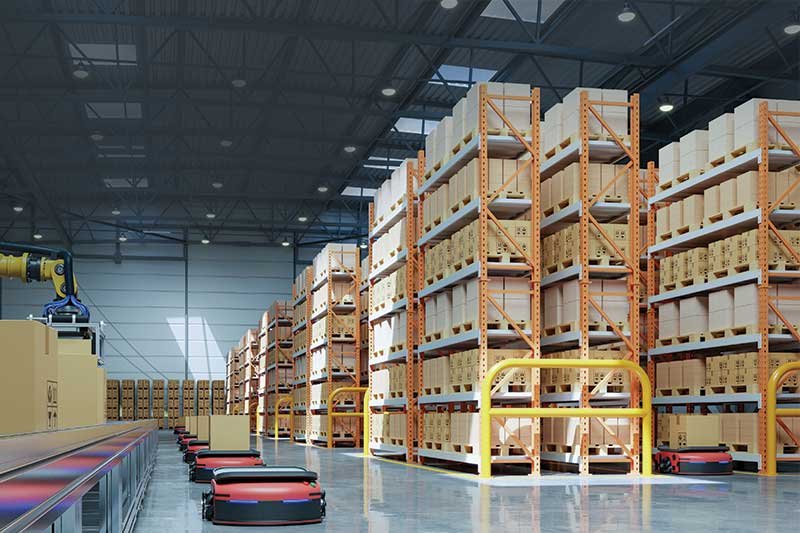
In today’s rapidly evolving global economy, the demand for large-scale warehouses facilities has surged like never before. From e-commerce giants managing millions of daily orders to manufacturers storing raw materials, the need for expansive, efficient, and technologically advanced storage solutions has become essential. Large-scale storage warehouses are no longer just massive buildings filled with shelves and boxes; they represent the backbone of global supply chains.
Over the past decade, industries have witnessed a transformation driven by automation, data analytics, and space optimization. Companies are investing heavily in strategically located warehouses that can accommodate their growing logistics and distribution needs while minimizing transportation costs and delays.
Storage capacity isn’t merely about square footage—it’s about flexibility, scalability, and speed. Businesses today face unpredictable market demands, seasonal fluctuations, and the constant need to adapt quickly. A warehouse with large-scale storage capacity allows companies to respond effectively to these challenges without disrupting their operations.
Whether storing perishable goods, electronic components, or bulky machinery, having the right amount of space can prevent inventory overflow, reduce waste, and enhance operational efficiency. More importantly, businesses can maintain steady product availability for customers, ensuring consistent revenue and customer satisfaction.
Traditionally, warehouses were viewed as static storage spaces—simple facilities designed to hold goods until they were needed. However, the new generation of large-scale storage warehouses has redefined this perception. These facilities now serve as dynamic hubs that integrate technology, automation, and sustainability.
Key innovations driving this transformation include:
As a result, warehouses today are not only larger in scale but also smarter, safer, and more productive.
Large-scale warehouses typically feature architectural and technological advancements that enhance their functionality. Some defining characteristics include:
These features combine to create storage facilities capable of handling massive inventory volumes efficiently and cost-effectively.

The advantages of operating from a large-scale warehouse extend across industries. Beyond the obvious benefit of more space, these facilities drive tangible operational and financial gains.
Large-scale warehouses allow businesses to hold sufficient stock to meet demand surges without overstocking. Improved organization through racking systems and digital tracking ensures that every product is accounted for, reducing losses and errors.
Warehouses with advanced automation enable faster order fulfillment and streamlined distribution. This speed not only benefits customers but also cuts down shipping times and logistics costs.
As companies grow, they can expand their storage utilization without needing to relocate. A large facility provides flexibility for scaling operations as demand increases.
Though initial investments are high, large-scale storage warehouses often lead to long-term savings through automation, reduced labor requirements, and optimized resource use.
Ample space allows for safer handling of goods, proper segregation of materials, and compliance with safety regulations. It also minimizes damage caused by overcrowding or mishandling.
Technology plays a pivotal role in enhancing both the efficiency and capacity of modern warehouses. Automation and data-driven insights have redefined how goods are stored, retrieved, and shipped.
Robotic systems can now pick, pack, and move products across hundreds of thousands of square feet with unmatched precision. AI algorithms analyze data patterns to predict which products are likely to move faster, enabling managers to optimize space allocation.
Additionally, the use of drones for inventory checks has become increasingly popular, drastically reducing the time needed for audits. These technological innovations not only increase storage efficiency but also reduce the risk of human error, ensuring seamless operation across multiple distribution centers.
E-commerce is one of the biggest catalysts for large-scale warehouse development. With online shopping becoming a global norm, companies like Amazon, Flipkart, and Alibaba require enormous, strategically located warehouses to store and dispatch millions of products daily.
These warehouses often span millions of square feet, equipped with high-speed conveyors, automated sortation systems, and thousands of storage racks. They are designed to fulfill same-day or next-day delivery promises, which would be impossible without efficient large-scale infrastructure.
Small and medium-sized enterprises (SMEs) are also tapping into shared large-scale warehouses through third-party logistics providers. This model allows them to benefit from high-end storage facilities without heavy capital investment.
Sustainability has become a central theme in warehouse design and operations. As environmental awareness grows, companies are adopting eco-friendly measures to reduce their carbon footprint while maintaining performance.
Modern warehouses often integrate:
Such initiatives not only contribute to global sustainability goals but also lead to long-term cost savings. Energy-efficient warehouses can reduce utility bills significantly while enhancing the brand’s reputation among environmentally conscious customers.
While large-scale storage facilities offer countless advantages, they come with their own set of challenges. Managing operations across vast spaces requires robust systems and highly trained staff.
Common challenges include:
Despite these challenges, the long-term benefits far outweigh the costs, especially when supported by strategic planning and continuous innovation.
The future of warehousing looks promising and tech-driven. As industries move toward greater efficiency and resilience, several emerging trends are shaping the landscape:
These trends signify a shift from traditional storage spaces to intelligent, adaptive ecosystems that support global commerce seamlessly.

Selecting a large-scale warehouse requires thoughtful consideration of several factors:
The right warehouse partner can transform logistics operations from a cost center into a competitive advantage.
Large-scale storage warehouses are the lifeblood of modern business logistics. They empower companies to meet customer demands efficiently, maintain steady inventory flow, and adapt quickly to changing market conditions. With the integration of smart technology, sustainability, and scalable infrastructure, these massive facilities are setting new standards for operational excellence.
As the global economy continues to grow more interconnected, the importance of large-scale storage capacity will only increase. For businesses aiming to stay competitive, investing in expansive, efficient, and intelligent warehouses isn’t just an option—it’s a necessity for long-term success.
Do Follow Estate Magazine on Instagram
High-ROI Office Spaces Near Dubai Free Zones: Complete ROI Guide