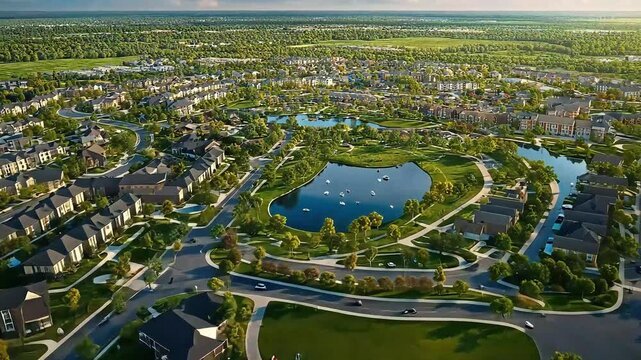
Master-planned communities are transforming the way families choose where to live. Unlike traditional neighborhoods that grow without much coordination, master-planned communities are carefully designed from the start to provide a complete lifestyle. They combine housing, schools, parks, shopping, healthcare, and recreational facilities into one integrated environment.
For families, this means safety, convenience, and a strong sense of belonging. As urban areas become more crowded and hectic, many households are looking for spaces that prioritize comfort, accessibility, and community values. That’s exactly why master-planned communities are becoming the preferred choice for families worldwide.
This article explores what makes these communities unique, why families are choosing them, and what the future of master-planned living looks like.
A master-planned community is a large-scale residential development designed with long-term vision and strategy. Instead of building homes first and adding facilities later, these communities are mapped out in detail from the beginning.
They often include:
The goal is to create a self-sufficient environment where residents can access everything they need within a short distance.
Families are drawn to master-planned communities for reasons that go far beyond just housing. These communities provide a lifestyle package designed to meet modern family needs.
Master-planned communities often have gated entrances, 24/7 security, and surveillance systems. Families feel more at ease knowing their children can play outside safely.
Events, clubs, and shared amenities bring people together. Whether it’s neighborhood markets, children’s playdates, or fitness classes, families feel part of a close-knit community.
Many communities include schools and nurseries within walking distance. Parents save time on commutes, and children benefit from safe, familiar surroundings.
Parks, jogging tracks, and playgrounds provide opportunities for kids and adults to stay active. Families enjoy cleaner air, nature trails, and spaces designed for relaxation.
From supermarkets to medical centers, everything is close by. This convenience reduces stress and makes daily life much easier for families.
Properties in master-planned communities often hold or increase in value due to strong demand, making them not just a lifestyle choice but also a smart financial decision.
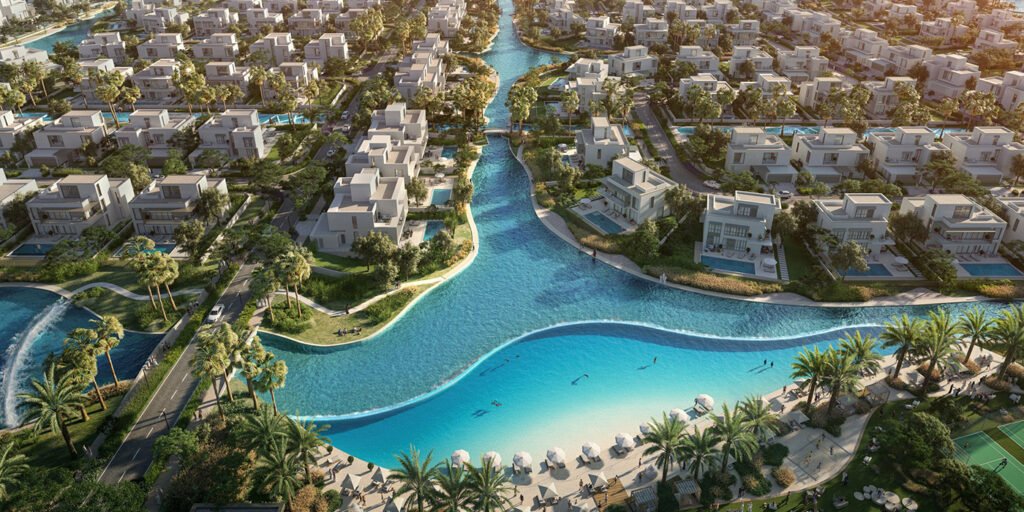
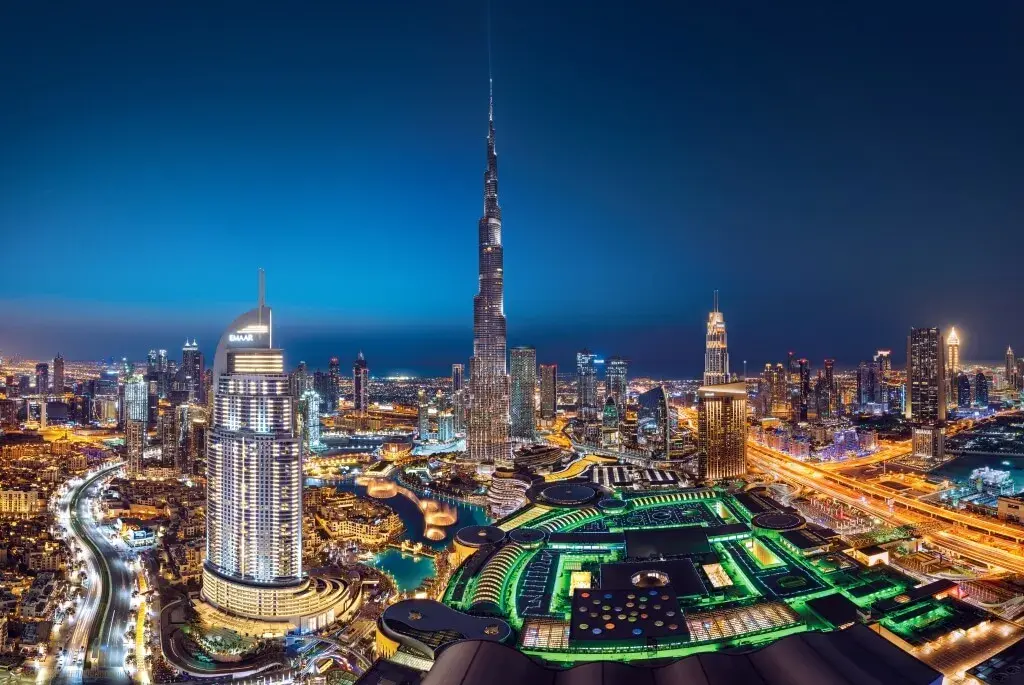
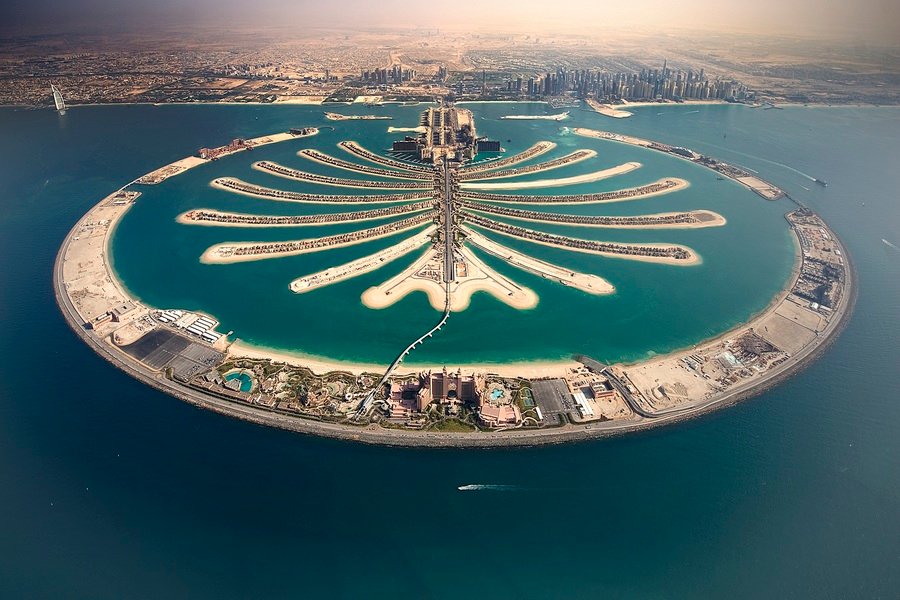
Master-planned communities are popular worldwide, with each region adapting the concept to fit cultural and economic needs.
These examples show how the concept has been successfully adapted across different cultures and regions.
The success of a master-planned community depends on its design. Developers carefully plan the balance between residential, commercial, and recreational spaces to ensure harmony.
The result is not just housing, but a carefully crafted environment that supports families’ everyday needs.
Technology is playing a bigger role in modern master-planned communities. Families today want not only comfort but also connectivity and smart features.
These features appeal to young families who prioritize convenience and modern living.
Master-planned communities benefit not only families but also entire cities.
Despite their many advantages, master-planned communities come with challenges:
Families and developers alike need to weigh these challenges against the lifestyle benefits.
The trend of families choosing master-planned communities is set to continue, with new innovations on the horizon.
These innovations ensure that master-planned communities remain relevant for future generations.
Master-planned communities are more than housing projects; they are complete lifestyles built around the needs of families. Offering safety, education, recreation, and convenience in one place, they provide a modern solution for households seeking balance and connection.
For families, the decision to move into a master-planned community is not just about where they live-it’s about how they live. With global cities expanding and lifestyles evolving, these communities stand as a blueprint for the future of family living.
Follow us on: Instagram
Read More:-The Future of Abu Dhabi Real Estate: Mega Projects You Must See