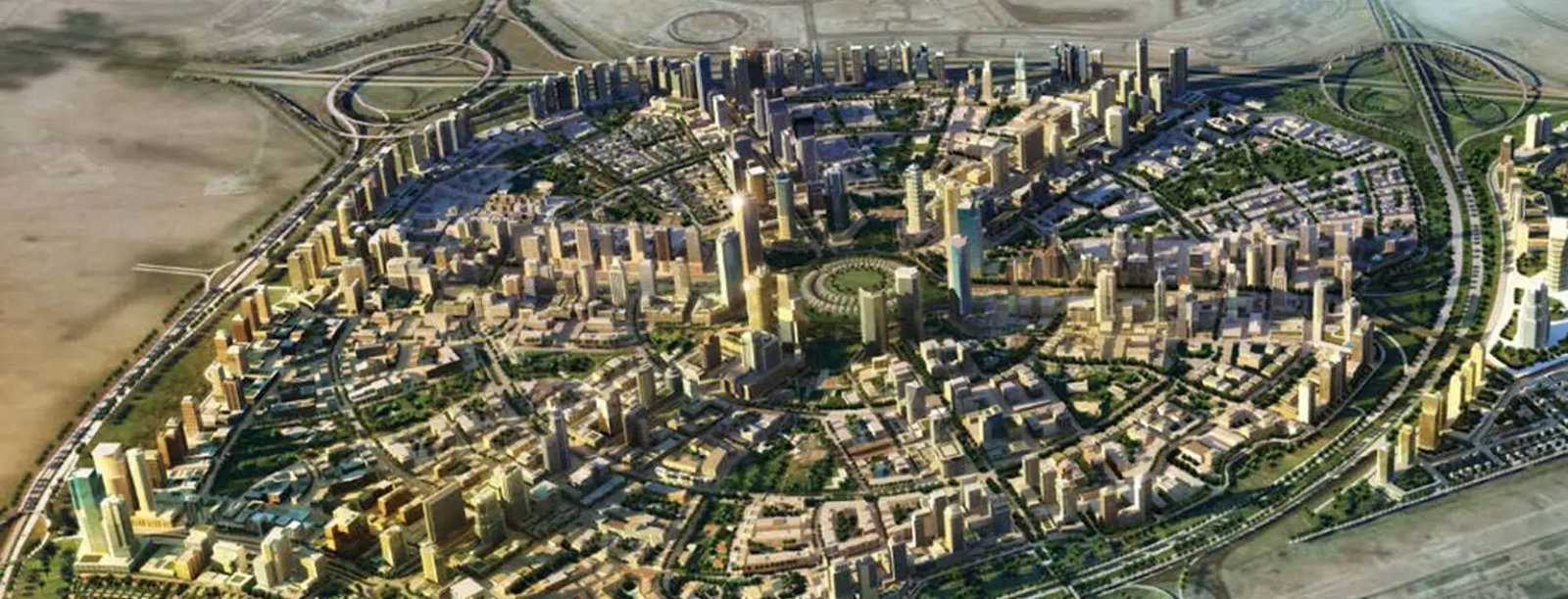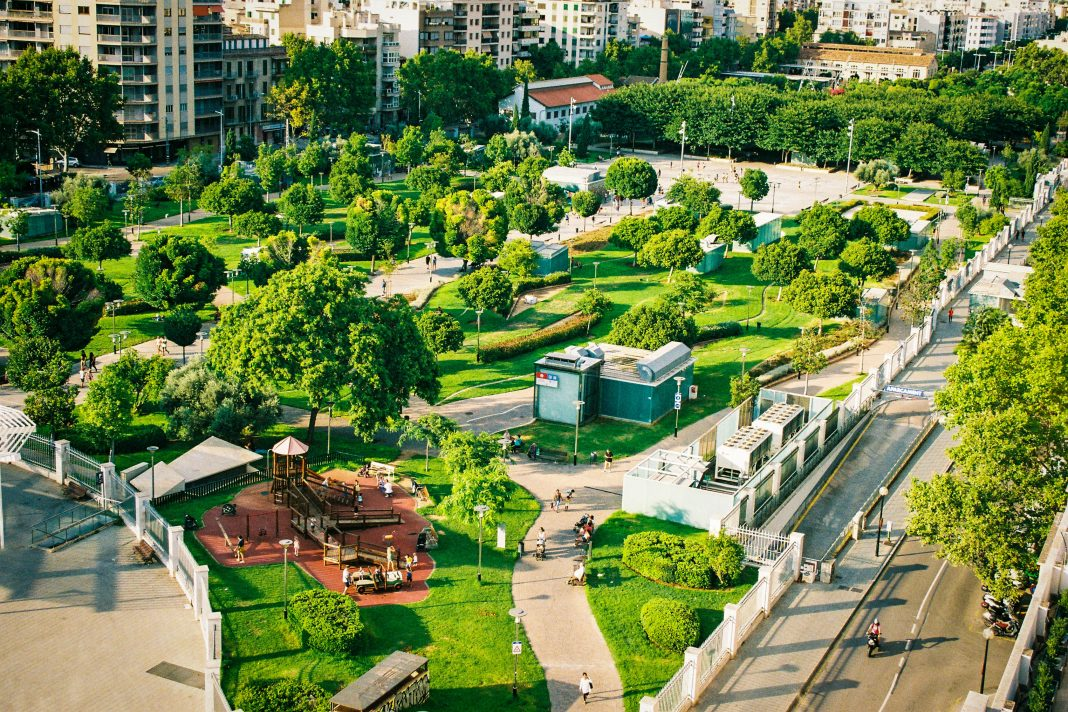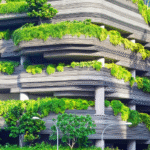

In the world of urban development and planning, the integration of various sectors plays a crucial role in shaping vibrant communities. One such integration that’s gaining attention is how the masterplan integrates Grade-F&B, which refers to the establishment of high-quality food and beverage experiences within urban spaces. This approach not only enhances the aesthetic appeal of areas but also boosts economic growth and community engagement.
Understanding how masterplans incorporate Grade-F&B can provide insights into future trends and the importance of thoughtful urban design. This article delves deep into the nuances of this integration, exploring its benefits, challenges, and the overall impact it has on urban living.
When we talk about Grade-F&B, we refer to a tier of food and beverage establishments that prioritize quality, sustainability, and the overall customer experience. The masterplan integrates Grade-F&B to ensure that these establishments are not just standalone entities, but part of a cohesive urban environment.
The significance of integrating Grade-F&B into masterplans lies in its ability to foster a sense of community. Quality dining options attract diverse populations, which in turn cultivates social interactions and enriches the cultural fabric of an area. When urban planners prioritize food and beverage experiences, they create spaces where people want to gather, socialize, and enjoy life.

One of the most compelling reasons for the integration of Grade-F&B in masterplans is the economic growth it can stimulate. High-quality food and beverage venues can drive foot traffic, encouraging people to visit and spend time in the area. When combined with residential and commercial developments, these culinary experiences can significantly enhance property values and attract both residents and businesses.
Furthermore, integrating Grade-F&B can create job opportunities, not just in the restaurants themselves but in the supply chain that supports them. From local farmers to artisanal producers, the ripple effect of a thriving culinary scene can benefit many sectors.
Sustainability is a critical concern in urban planning, and the masterplan integrates Grade-F&B with this principle in mind. By promoting local sourcing and seasonal menus, food establishments can significantly reduce their carbon footprints. This not only aligns with environmental goals but also enhances the authenticity of the dining experience.
In addition to sustainability, inclusivity is another essential aspect. High-quality food and beverage options should cater to diverse tastes and dietary needs, ensuring that everyone in the community feels welcome. Masterplans that focus on Grade-F&B consider the culinary diversity of the area and work to create spaces that reflect this variety.
While the benefits of integrating Grade-F&B into masterplans are clear, several challenges can arise during the implementation phase. Urban planners must navigate zoning laws, building codes, and community preferences, which can sometimes complicate the integration process.
Moreover, the fluctuating nature of the food and beverage industry means that planners must remain adaptable. Trends in dining can shift rapidly, so a rigid approach could lead to underperformance or even failure of the establishments involved. Continuous engagement with the community can provide valuable insights that help shape a resilient and responsive masterplan.
Examining successful examples of how masterplans integrate Grade-F&B can provide valuable lessons for future developments. Cities like Melbourne and Copenhagen have become benchmarks for their vibrant food scenes, seamlessly woven into their urban fabric.
In Melbourne, for instance, laneways filled with cafes and eateries not only provide unique dining experiences but also keep the streets bustling with life. Meanwhile, Copenhagen has focused on sustainability within its culinary sector, promoting local produce and creating a model that other cities aspire to replicate.
These case studies exemplify the potential of masterplans that thoughtfully integrate Grade-F&B, showcasing how careful planning can lead to thriving urban environments.

As cities continue to evolve, the masterplan integrates Grade-F&B will play an increasingly vital role. Future urban developments are likely to prioritize not just the physical infrastructure but also the cultural and social dimensions of community life.
Urban planners must be forward-thinking, considering how food and beverage experiences can enhance quality of life. Collaborations between chefs, local farmers, and community members will become more essential, fostering a sense of ownership and pride in local dining options.
In conclusion, the integration of Grade-F&B within masterplans is not just a trend; it is a fundamental approach to creating vibrant and sustainable urban spaces. By prioritizing high-quality food and beverage experiences, cities can foster community engagement, stimulate economic growth, and promote inclusivity.
As urban planners look to the future, understanding the importance of this integration will be essential for developing spaces that resonate with residents and visitors alike. The masterplan integrates Grade-F&B offers a roadmap for creating thriving, dynamic environments where people want to live, work, and play.
Do Follow Estate Magazine on Instagram
Read More:- Real Estate Boom 2026: 7 Powerful Reasons Gold Investors Are Switching