
In an ever-evolving retail landscape, the concept of integrating Grade‑ retail within a masterplan is becoming a game-changer. This innovative approach not only enhances the shopping experience but also redefines how we perceive retail spaces. As urban environments shift and adapt, understanding the synergy between masterplanning and Grade‑ retail is essential for stakeholders, consumers, and city planners alike.
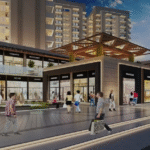
Grade‑ retail refers to high-quality retail spaces that are often strategically placed in prime locations. These spaces are designed to attract consumers looking for premium shopping experiences. By integrating Grade‑ retail into urban masterplans, developers can create vibrant commercial hubs that appeal to both shoppers and businesses. This integration is not just about physical locations but also about fostering community engagement and enhancing local economies.

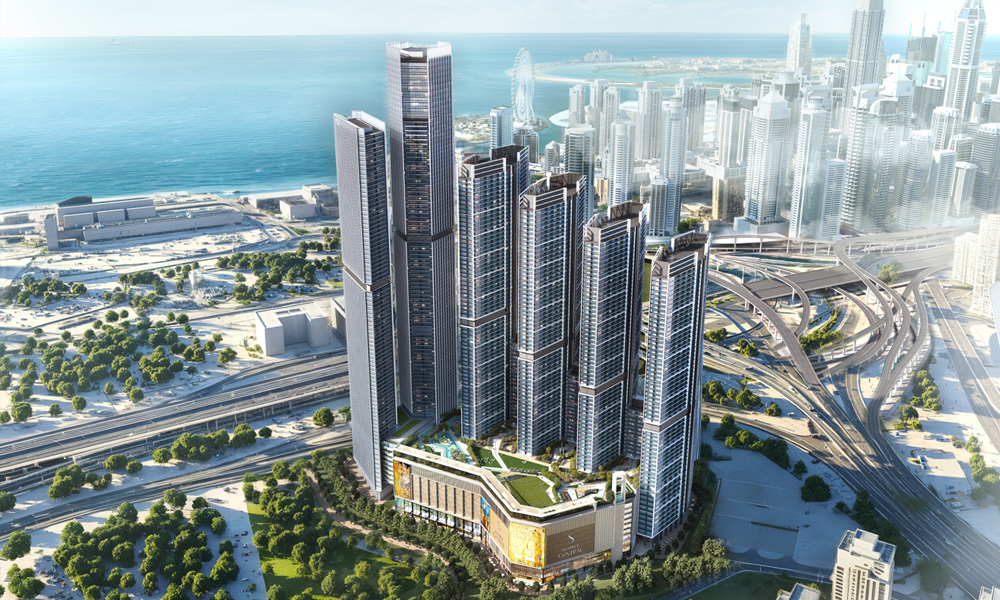
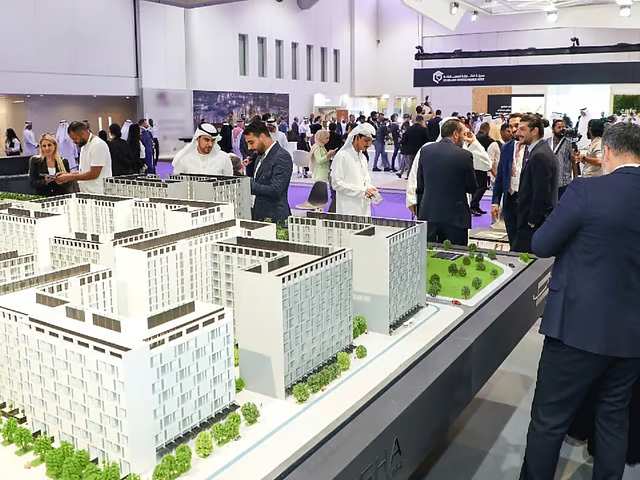
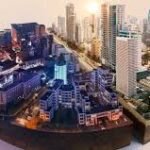
Urban masterplans serve as blueprints for the future of city development. They outline how various elements, including residential areas, commercial spaces, and recreational facilities, will coexist and thrive. When Grade‑ retail is woven into these plans, it elevates the overall urban experience.
Masterplans that successfully integrate Grade‑ retail often lead to increased foot traffic, enhanced property values, and a more dynamic community atmosphere. These spaces become destinations, not just places to shop, but hubs of social interaction and culture.
The advantages of incorporating Grade‑ retail into masterplans are multifaceted. Here are some key benefits:
Enhanced Consumer Experience: Grade‑ retail focuses on quality and exclusivity, ensuring that customers have access to superior products and services. This enhances their overall shopping experience, making them more likely to return.
Increased Economic Activity: High-quality retail spaces attract a diverse range of consumers, increasing foot traffic and stimulating local economies. This not only benefits retailers but also the surrounding community.
Sustainable Urban Growth: By integrating Grade‑ retail into masterplans, cities can promote sustainable growth. Thoughtfully designed retail spaces contribute to a balanced urban environment that prioritizes both commerce and livability.
Fostering Community: Retail spaces often become gathering points for communities. When Grade‑ retail is part of a masterplan, it can help cultivate a sense of belonging and community spirit among residents.
The future of retail lies in adaptability and innovation. Masterplans that integrate Grade‑ retail are at the forefront of this evolution.
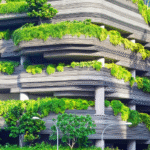
Incorporating technology and sustainable practices is crucial for modern masterplans. Smart technology, such as digital signage and integrated payment systems, enhances the shopping experience. Additionally, sustainable design elements like green roofs and energy-efficient systems attract environmentally conscious consumers.
As cities continue to grow, integrating Grade‑ retail into masterplans can address the changing needs of urban populations. This includes creating spaces that cater to a diverse demographic, ensuring that everyone has access to quality retail experiences.
Several cities around the world are successfully integrating Grade‑ retail into their masterplans, setting examples for others to follow.
Take, for instance, the revitalization of downtown districts, where Grade‑ retail has transformed once-neglected areas into thriving commercial hubs. High-end boutiques, gourmet food markets, and experiential retail spaces have attracted not only locals but also tourists, boosting the economy and enhancing the city’s appeal.
Another compelling example is mixed-use developments that blend residential, commercial, and recreational spaces. These projects often include Grade‑ retail as a cornerstone, creating an integrated environment where people can live, work, and shop all in one place.
While the integration of Grade‑ retail into masterplans presents numerous advantages, it is not without its challenges.
One significant hurdle is the need for zoning and regulatory approvals. Developers must navigate complex bureaucratic processes to ensure their plans align with local regulations.
Additionally, the economic feasibility of incorporating Grade‑ retail can be a concern. Developers must ensure that there is sufficient demand to justify the investments required for high-quality retail spaces.
Lastly, maintaining the balance between commercial success and community needs is crucial. It is essential that Grade‑ retail spaces cater to a diverse range of consumers without alienating local populations.
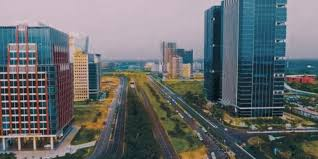
As we look toward the future, several trends are emerging in the integration of Grade‑ retail within masterplans.
Experiential retail is on the rise. Retailers are increasingly focusing on creating unique experiences that draw consumers in, such as interactive displays and immersive environments. This trend aligns perfectly with the objectives of masterplans aimed at creating vibrant community spaces.
Sustainability will continue to be a driving force in urban development. As consumers become more eco-conscious, masterplans that prioritize sustainability in Grade‑ retail will likely see greater success. This includes everything from energy-efficient buildings to eco-friendly product offerings.
Lastly, the role of technology in retail spaces will expand. The integration of e-commerce with physical retail will redefine how consumers shop, making convenience and accessibility paramount.
The integration of Grade‑ retail into masterplans represents a significant shift in how we approach urban development and consumer experiences. By focusing on quality, sustainability, and community engagement, cities can create vibrant retail spaces that not only meet the needs of today but also anticipate the desires of tomorrow.
As urban environments continue to evolve, the synergy between masterplanning and Grade‑ retail will play a pivotal role in shaping the future of shopping experiences. This holistic approach holds the promise of revitalizing communities, boosting economies, and enhancing the way we live and shop.
Do Follow Estate Magazine on Instagram
Read More:- Masterplan Reveals 5 Powerful Ways Grade-A Green Public Spaces Transform Urban Living