The integration of Grade-green public spaces and a dedicated university/education precinct within a masterplan is transforming urban landscapes. This innovative approach creates environments that are not only sustainable but also conducive to learning and community engagement. Let’s dive into how this masterplan is reshaping our cities and enhancing the quality of life for residents and students alike.
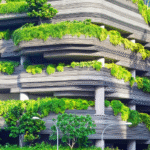
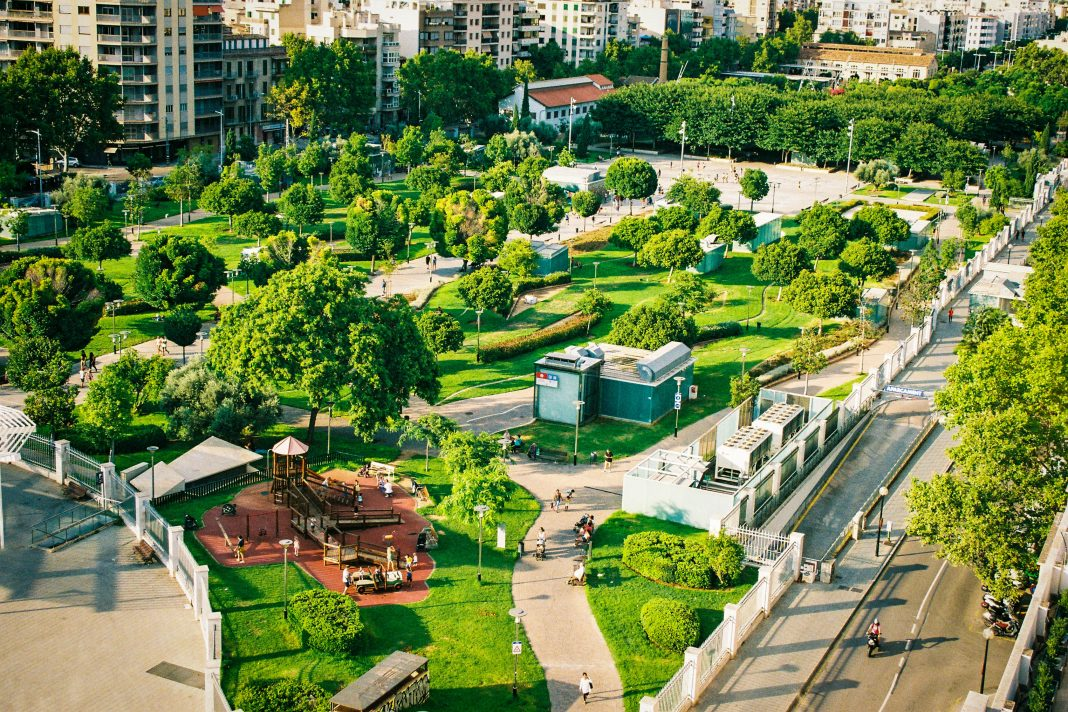
At the heart of this masterplan lies a vision: to harmonize green public spaces with educational facilities. This vision aims to foster a sense of community while prioritizing environmental sustainability. By incorporating green areas into urban settings, the plan promotes healthier lifestyles and enhances the aesthetic appeal of neighborhoods.
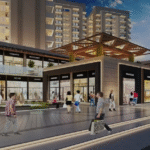
The inclusion of educational precincts within this masterplan is equally significant. Universities and educational institutions serve as hubs for innovation and knowledge-sharing. By placing these precincts next to vibrant public spaces, the masterplan encourages collaboration between students, faculty, and the community, creating a dynamic atmosphere ripe for creativity and growth.
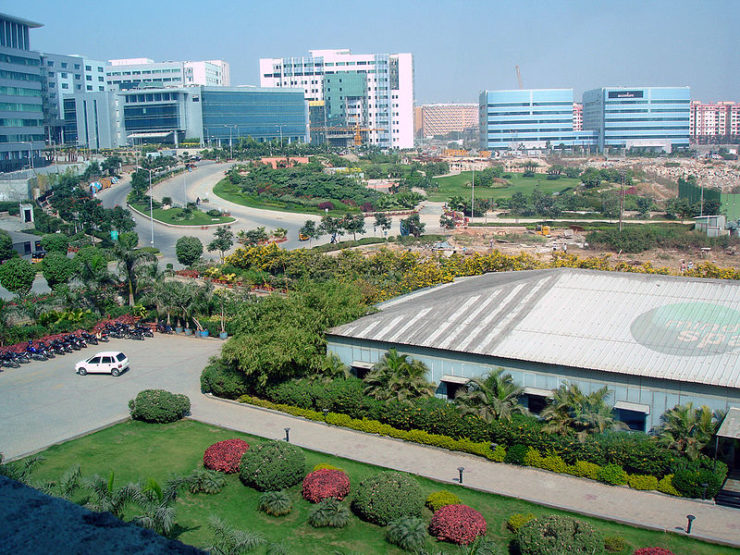
Green public spaces are essential for any thriving urban environment. They offer numerous benefits that include:
Environmental Benefits: Green spaces help to mitigate urban heat, improve air quality, and support biodiversity. They serve as crucial lungs for our cities, filtering pollutants and providing habitats for various species.
Social Interaction: Parks and green areas act as communal gathering spots, fostering social ties among residents. They provide a venue for events, gatherings, and recreational activities, enhancing community cohesion.
Mental Well-being: Access to nature has been shown to reduce stress and improve mental health. Green spaces provide a soothing environment, allowing individuals to escape the hustle and bustle of city life.
In the context of the masterplan, these green public spaces become more than just parks; they are integral components that nurture both the mind and body.
Education is a cornerstone of societal progress, and integrating educational precincts into the masterplan amplifies its impact. Educational institutions within this framework benefit from close proximity to green spaces in several ways:
Enhanced Learning Environments: Studies have shown that natural settings can improve cognitive function and focus. Classrooms that open to green vistas may enhance student engagement and creativity.
Community Engagement: Educational precincts that include public spaces encourage collaboration between students and residents. This interaction can lead to community-driven projects and initiatives that benefit everyone.
Sustainability Education: With environmental issues at the forefront of global conversation, educational precincts can serve as platforms for teaching sustainability. By being surrounded by green spaces, students can learn firsthand about ecological responsibility.
As the masterplan unfolds, the synergy between green public spaces and educational facilities will redefine how we view urban living and learning.
The design elements within the masterplan play a critical role in its success. Thoughtful landscaping, pedestrian pathways, and interactive installations can enhance the user experience in these integrated spaces.
Careful consideration of layout ensures that green public spaces are easily accessible from educational precincts. Features such as walking trails, bike paths, and communal gardens encourage movement and exploration. These design aspects not only promote physical activity but also create inviting atmospheres that draw people in.
Furthermore, incorporating local flora and fauna into the design can help foster community identity and pride. By celebrating the natural characteristics of the area, the masterplan can create unique spaces that resonate with residents and students alike.
The long-term impacts of a masterplan that integrates Grade-green public spaces with educational precincts are profound. As these spaces become established, they can lead to:
Increased Property Values: Areas with accessible green spaces and educational institutions often see a rise in property values. Residents are drawn to the lifestyle benefits that these features provide.
Attracting New Residents and Businesses: A vibrant community with ample green space and educational opportunities is attractive to newcomers. This influx can stimulate local economies, leading to job creation and improved services.
Fostering Innovation: With educational precincts positioned within green environments, the potential for innovative research and development grows. Collaboration between academia and local businesses can lead to groundbreaking advancements.
This holistic approach not only enhances the livability of urban areas but also sets a precedent for future developments.
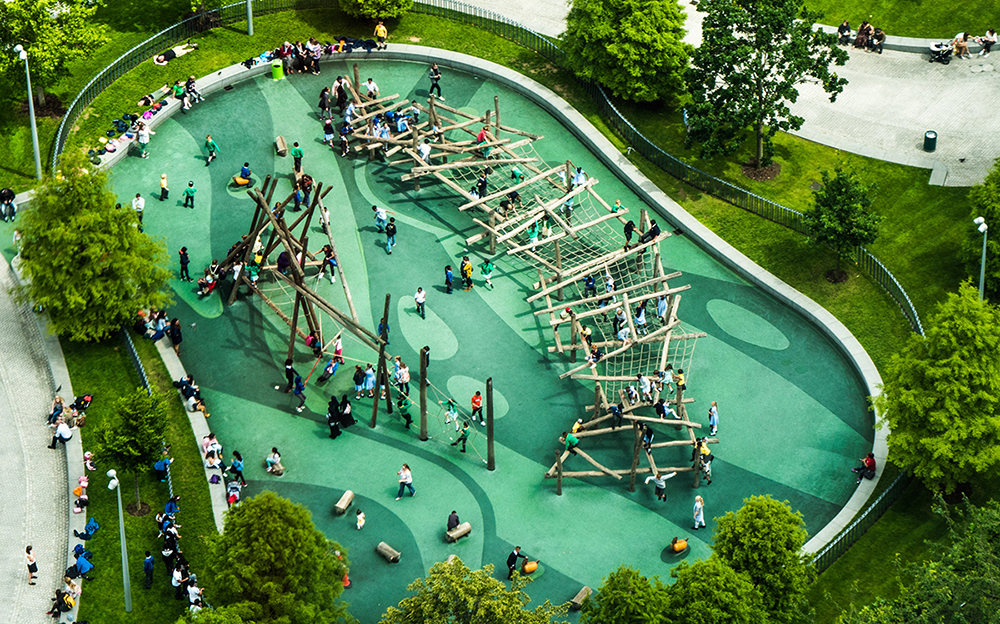
While the masterplan offers numerous benefits, it is essential to recognize and address potential challenges. Balancing development with environmental preservation requires careful planning and community input. The following considerations are crucial:
Community Involvement: Engaging local residents in the planning process ensures that the masterplan reflects their needs and aspirations. This involvement fosters a sense of ownership and pride in the resulting spaces.
Sustainable Practices: Implementing sustainable building practices and materials is vital for the success of the masterplan. Striving for eco-friendly solutions will help ensure that the green spaces remain vibrant for generations to come.
Ongoing Maintenance: Long-term success depends on the commitment to maintaining both green public spaces and educational facilities. Sustained funding and resources are necessary to keep these areas flourishing.
By addressing these challenges proactively, the masterplan can achieve its vision of integrating Grade-green public spaces with a university/education precinct effectively.
The masterplan that integrates Grade-green public spaces and a university/education precinct is paving the way for a new era of urban living. Through its emphasis on sustainability, community engagement, and educational collaboration, this approach is redefining how we interact with our environment and each other.
As cities continue to evolve, the lessons learned from this masterplan will serve as a guide for future developments. By prioritizing green spaces and educational precincts, we can create vibrant, inclusive communities that thrive for years to come.
Do Follow Estate Magazine on Instagram
Read More:- Inflation & Property Investment Returns: 5 Critical Truths Every Investor Must Know