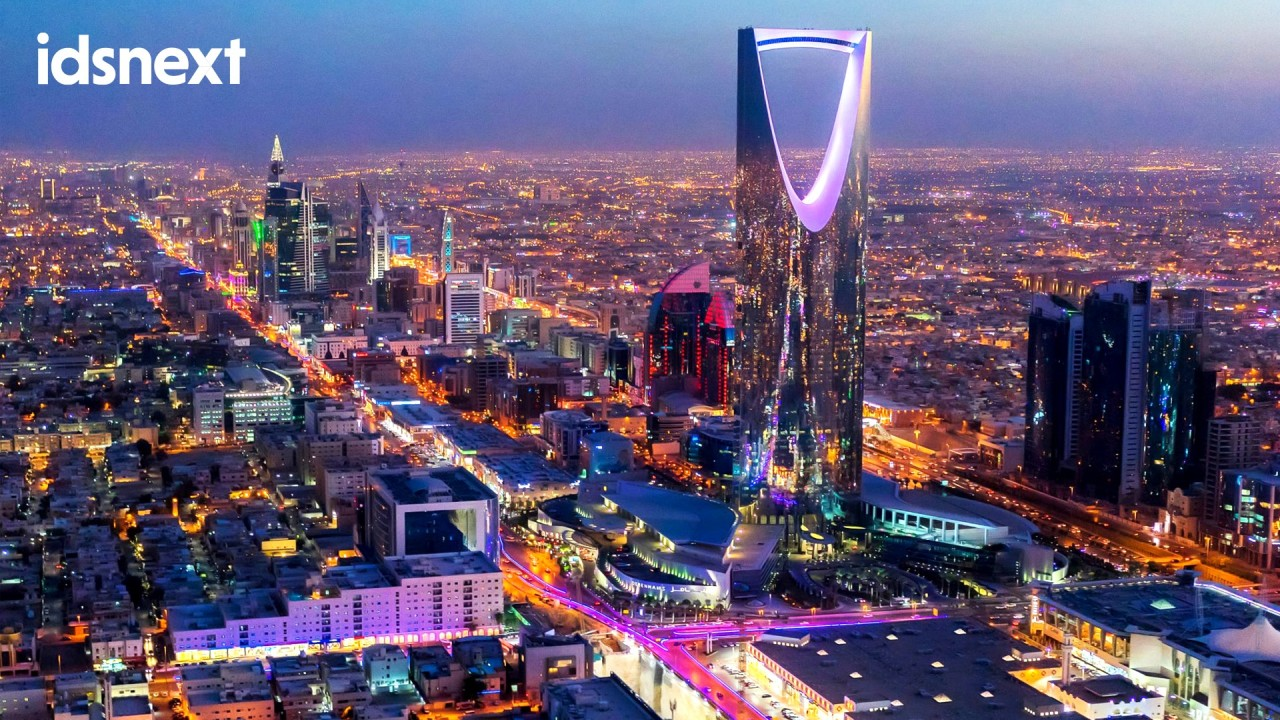
The urban landscape of Abu Dhabi and Dubai is evolving, and at the heart of this transformation are mixed-use developments. These innovative spaces blend residential, commercial, and recreational areas, fostering a vibrant community atmosphere. As cities seek to optimize land use and enhance the quality of life for residents, mixed-use urban living trends are becoming increasingly prominent. This article delves into the current trends shaping these two dynamic cities and explores why they are essential for future urban planning.
Mixed-use urban living refers to the integration of various functions within a single development. This approach allows residents to live, work, and play in close proximity, creating a more convenient and sustainable lifestyle. In both Abu Dhabi and Dubai, mixed-use developments are designed to cater to diverse needs, fostering interaction among residents and promoting a sense of community.
This model is not just about convenience; it also addresses pressing urban challenges such as traffic congestion and environmental sustainability. By combining living spaces with commercial and recreational facilities, these developments reduce the need for long commutes and encourage walking and cycling, ultimately leading to healthier lifestyles.
Abu Dhabi is witnessing a surge in mixed-use developments, driven by the government’s vision for sustainable urban growth. Projects like Mushrif Park and the Louvre Abu Dhabi area exemplify how blending residential and cultural spaces can enrich community life. These developments prioritize green spaces, leisure facilities, and retail options, making them attractive for families and individuals alike.
Another significant project is Yas Bay, which integrates residential units with entertainment venues, restaurants, and office spaces. The design encourages social interaction and leisure activities, reinforcing Abu Dhabi’s commitment to creating a holistic urban environment. The blend of residential and commercial elements within these projects is crucial in redefining urban living in the capital.
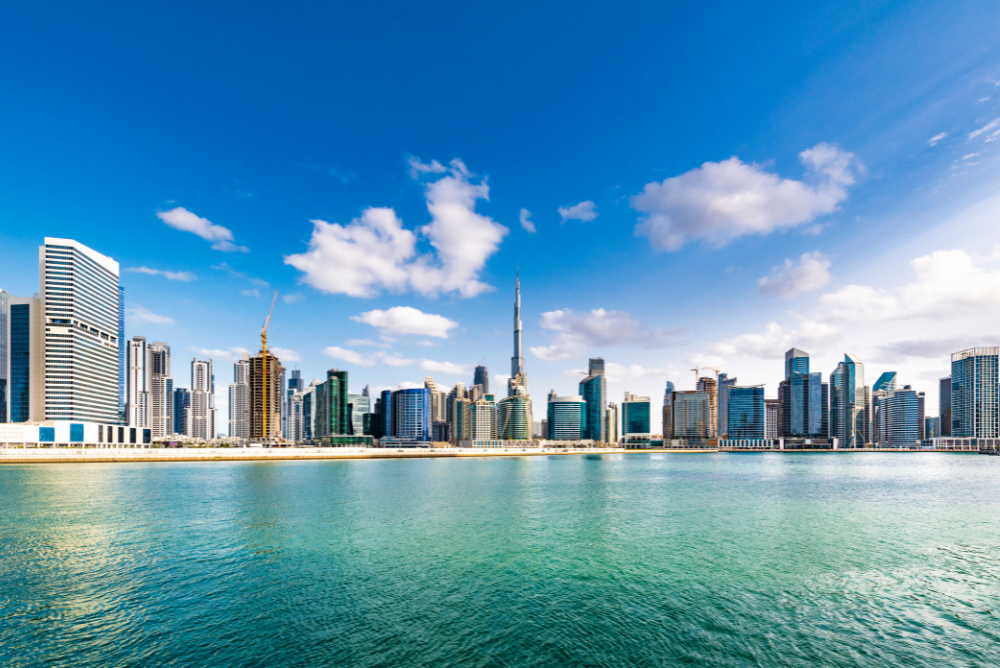
Dubai has long been known for its ambitious architectural projects, and mixed-use urban living trends are no exception. Iconic developments like Downtown Dubai and Dubai Marina exemplify the city’s commitment to creating vibrant urban hubs that combine residential living with shopping, dining, and entertainment.
The Dubai Creek Harbour project is another impressive example, featuring a mix of luxury apartments, commercial spaces, and expansive green areas. This development aims to create a sustainable urban environment that meets the needs of its residents while offering a stunning waterfront lifestyle.
Dubai’s approach to mixed-use living emphasizes luxury and high-end experiences, catering to a diverse population that includes expatriates, tourists, and locals. The integration of work and leisure within these spaces not only enhances the quality of life but also positions Dubai as a global city that attracts investment and tourism.
One of the defining features of mixed-use urban living trends in both Abu Dhabi and Dubai is the focus on community-centric designs. Developers are increasingly prioritizing spaces that encourage social interaction, such as parks, plazas, and community centers. These areas foster a sense of belonging and enhance the overall living experience.
Sustainability is also a key consideration in the design of mixed-use developments. Both cities are investing in eco-friendly initiatives, such as green roofs, energy-efficient buildings, and sustainable transport options. This commitment to sustainability not only improves the quality of life for residents but also contributes to the long-term viability of urban areas.
Technology plays a crucial role in shaping mixed-use urban living trends in Abu Dhabi and Dubai. Smart city initiatives are being implemented to enhance connectivity, improve public services, and create a more efficient urban environment. Features such as smart parking, integrated transport systems, and high-speed internet access are becoming standard in mixed-use developments.
These technological advancements not only streamline daily living but also attract tech-savvy residents who prioritize connectivity and innovation. As cities embrace digital transformation, mixed-use developments are at the forefront, offering residents a modern lifestyle that aligns with their needs.
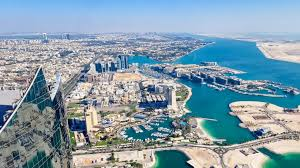
Looking ahead, mixed-use urban living trends in Abu Dhabi and Dubai are expected to continue evolving. With ongoing investments in infrastructure and urban planning, these cities are well-positioned to become global leaders in sustainable urban living.
The trend toward mixed-use developments is likely to expand beyond traditional residential and commercial spaces. Future projects may incorporate more cultural, artistic, and recreational elements, enriching the urban experience even further. As cities adapt to changing demographics and lifestyles, mixed-use developments will remain a vital part of the urban fabric.
Mixed-use urban living trends in Abu Dhabi and Dubai are not just a passing fad; they represent a transformative approach to urban planning that prioritizes convenience, community, and sustainability. As these cities continue to grow and innovate, the integration of residential, commercial, and recreational spaces will play a crucial role in shaping the future of urban living.
By embracing these trends, residents can enjoy a richer, more fulfilling lifestyle that meets their diverse needs. The future of urban living in Abu Dhabi and Dubai is bright, and the journey towards a more integrated, sustainable, and vibrant way of life is well underway.
Do Follow Estate Magazine on Instagram
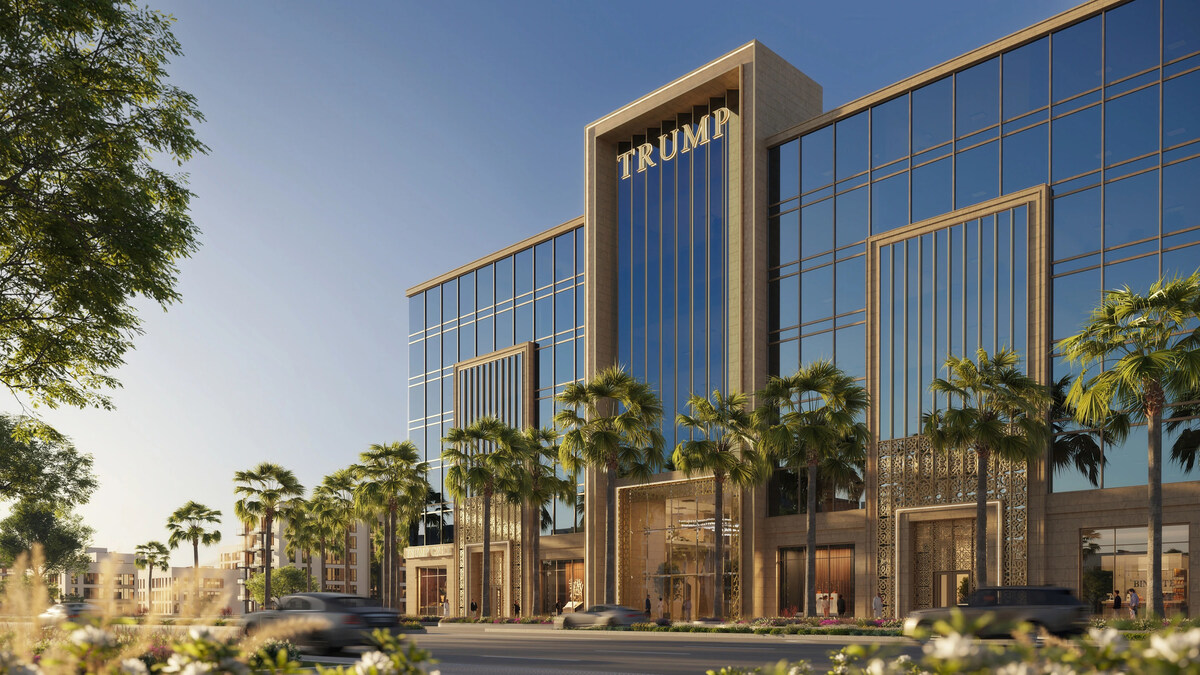
Read More:- Trump International Golf Club Developments: 5 Powerful Impacts on Luxury Real Estate