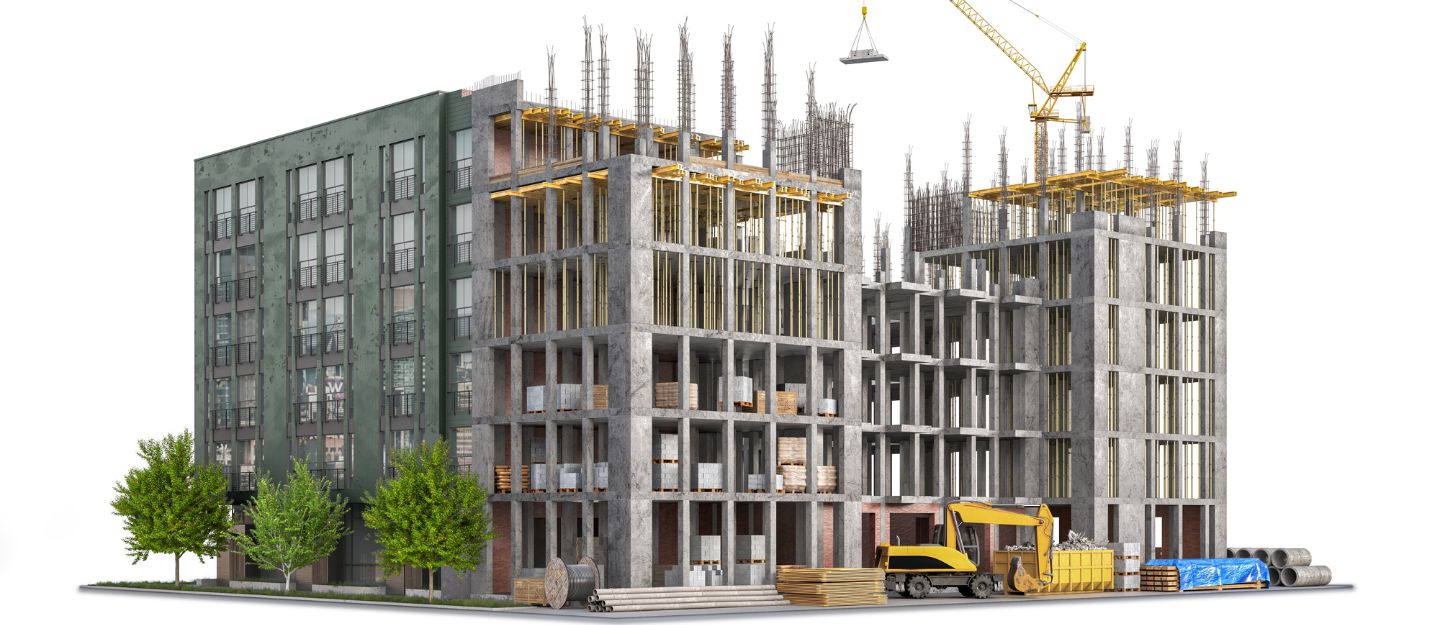
An off-plan property is a property sold before its construction is completed. Buyers purchase it based on plans, designs, and mock-ups rather than moving into a ready home. Payments are typically made in installments, linked to construction milestones, with the final balance due on handover.
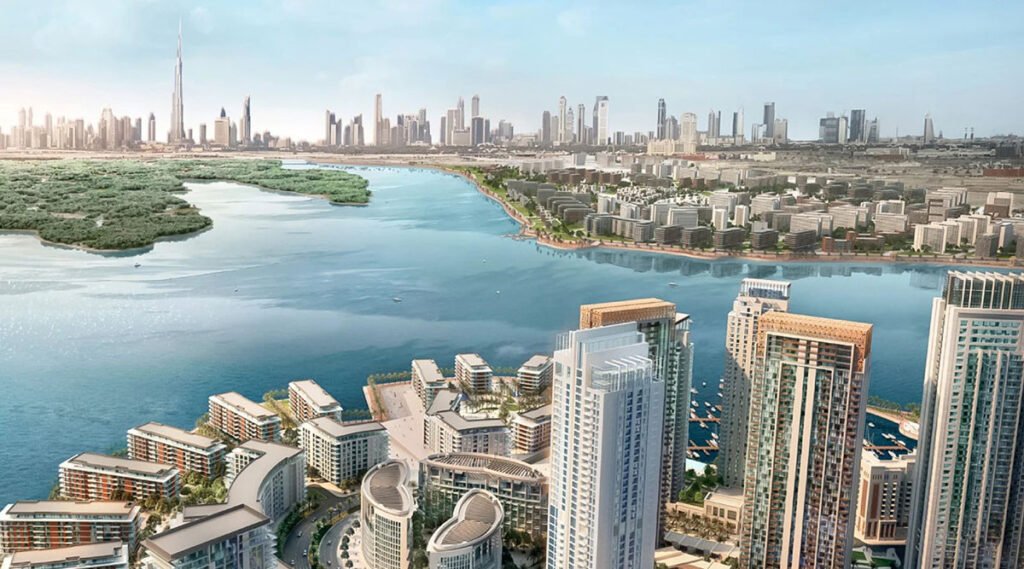
This type of investment has grown in popularity in regions like Dubai and the UAE, where new residential and commercial projects are constantly emerging.
Investing in off-plan properties allows buyers to secure modern homes at competitive prices, often with flexible payment plans and attractive incentives.
The off-plan buying process is different from purchasing ready-to-move properties. Here’s a simple breakdown:
This process ensures a structured and manageable investment journey, especially for first-time property buyers.
Buying off-plan comes with several advantages that appeal to both investors and end-users.
Off-plan properties are usually priced lower than ready properties. Developers offer early-bird discounts to attract buyers before construction is complete.
Instead of paying the full amount upfront, buyers can pay in installments, reducing financial strain and allowing better cash flow management.
Many developers allow buyers to choose finishes, layouts, or interior designs, giving a personalized touch to their future home.
Buying early in the construction phase can result in significant capital gains once the property is completed and the market value increases.
Newly constructed properties usually come with warranties covering structural issues, ensuring buyers have peace of mind.
While off-plan properties are attractive, buyers must also be aware of potential risks:
Careful research, legal guidance, and evaluating developer credibility can minimize these risks.
Before investing in an off-plan property, consider these essential factors:
Here’s how off-plan properties compare to ready-to-move-in properties:
| Feature | Off-Plan | Ready Property |
|---|---|---|
| Price | Lower, early-bird discounts | Usually higher |
| Payment | Installments | Full payment upfront |
| Customization | Possible | Limited |
| Immediate Use | Not possible | Ready to move in |
| Appreciation | Potentially high | Stable |
Choosing between the two depends on investment goals, financial flexibility, and risk tolerance.
Investing wisely in off-plan properties can yield strong returns. Here are some tips:
Off-plan properties are especially popular in areas undergoing rapid growth or infrastructure development. Examples include:
Investors often balance high-end urban projects with emerging locations for diversified returns.
Financing an off-plan property is different from ready homes. Key points include:
Proper financial planning ensures a smooth purchase process without liquidity pressure.
To safeguard your investment, understanding legal aspects is crucial:
Having a legal advisor review all documentation can prevent complications later.
There are many misconceptions about off-plan properties:
Understanding these myths can help potential buyers make informed decisions.
With urban expansion, population growth, and infrastructure projects, off-plan properties are likely to remain a key investment avenue. Developers are increasingly offering:
This trend makes off-plan buying not just an investment but a chance to own a modern, tailored lifestyle.
Off-plan properties offer a unique combination of affordability, customization, and investment potential. By understanding the process, evaluating risks, and choosing reputable developers, buyers can secure modern homes with strong future value.
Whether you are a first-time buyer or a seasoned investor, off-plan properties remain a compelling choice for building wealth and securing a dream home.
Do Follow Estate Magazine on Instagram
Read More:- Conrad Commercial Tower: 7 Inspiring Reasons It’s Dubai’s Ultimate Business Address