Egypt’s Palm Hills Developments is stepping confidently onto a much larger regional stage. Known for shaping some of Egypt’s most desirable residential and mixed-use communities, the developer is now setting its sights beyond domestic borders with an ambitious plan anchored in Abu Dhabi. At the heart of this strategy is a mega project expected to generate up to $7 billion in sales, signaling Palm Hills’ determination to become a serious player across the wider Gulf real estate landscape.
This move reflects more than expansion for expansion’s sake. It represents a carefully measured response to shifting buyer demand, strong investor appetite in the Gulf, and the long-term appeal of well-planned, lifestyle-driven communities. As Palm Hills positions itself in Abu Dhabi and beyond, it is also redefining how Egyptian developers can compete and collaborate on a regional scale.
For years, Palm Hills has built its reputation on large-scale developments that blend homes, retail, hospitality, and green spaces. Its experience in delivering integrated communities within Egypt provides a natural foundation for regional growth. Abu Dhabi offers a compelling next step, with a stable economy, strong regulatory environment, and a real estate market increasingly open to international developers with proven track records.
The decision to expand into the Gulf also reflects a broader shift in strategy. Palm Hills is no longer content to be viewed purely as a leading Egyptian developer. Instead, it aims to evolve into a regional brand, capable of delivering premium projects that meet the expectations of Gulf buyers while retaining the design sensibilities and community-first approach that defined its success at home.
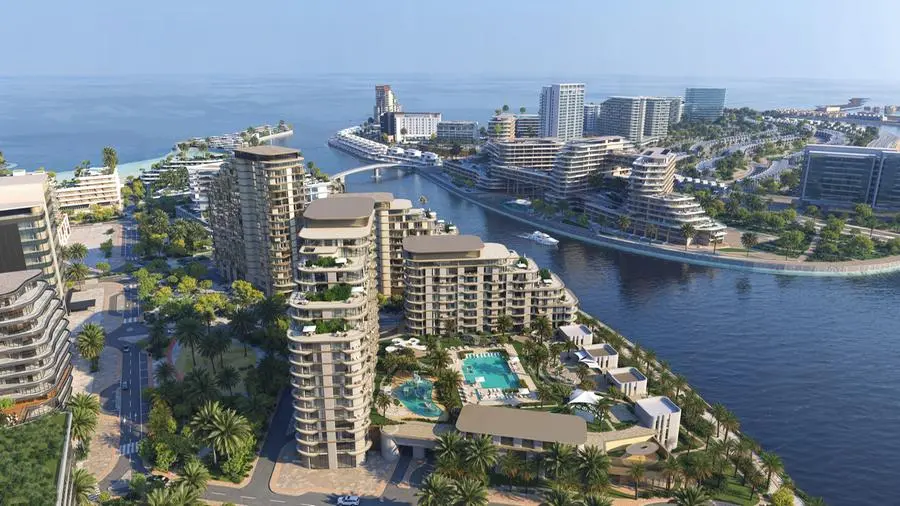
The Abu Dhabi development sits at the center of Palm Hills’ regional ambitions. Designed as a large-scale, master-planned community, the project is expected to combine residential units, lifestyle amenities, commercial offerings, and open public spaces. The goal is not just to sell properties, but to create a destination that people actively want to live in, invest in, and engage with over the long term.
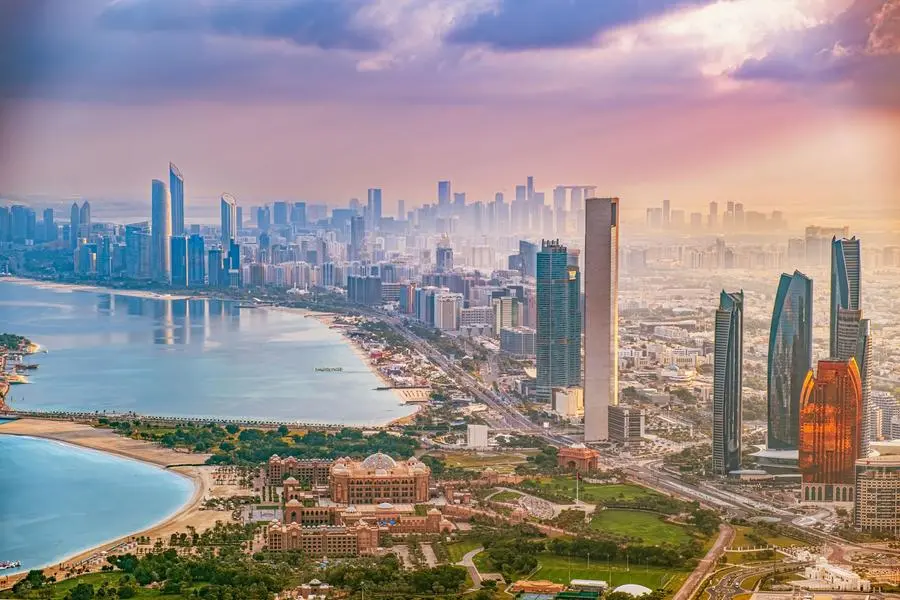
Palm Hills has consistently leaned toward developments that emphasize livability rather than density alone. In Abu Dhabi, this philosophy is being adapted to align with local preferences and regulations. Wide walkways, landscaped areas, family-friendly facilities, and community-centered design are expected to be key features.
Rather than replicating Egyptian projects, Palm Hills appears focused on creating something that feels local, relevant, and genuinely valuable to residents in the UAE. This sensitivity to place could become one of the project’s strongest competitive advantages.
Targeting $7 billion in sales is an ambitious goal by any standard. Yet the confidence behind this figure points to strong underlying demand, particularly from end-users and long-term investors. Abu Dhabi’s real estate market has shown steady growth, with rising interest from both regional and international buyers seeking stability, lifestyle quality, and long-term value.
Palm Hills’ management sees this as an opportunity to tap into a buyer base that values quality planning and reliable developers. By positioning the project as a premium yet functional community, the company hopes to appeal to families, professionals, and investors alike.
The timing of Palm Hills’ Gulf expansion is no coincidence. Across the region, governments are investing heavily in urban development, infrastructure, and quality-of-life improvements. This has created an environment where large-scale, well-executed real estate projects can thrive.
In markets like Abu Dhabi, demand is shifting toward homes that offer more than square footage. Buyers are increasingly drawn to communities that provide wellness facilities, green spaces, retail options, and a sense of belonging. Palm Hills’ experience in delivering such environments gives it a natural entry point into this evolving demand.
Expanding into the Gulf also allows Palm Hills to diversify its revenue streams. By balancing its Egyptian portfolio with regional projects, the company reduces exposure to market-specific fluctuations and strengthens long-term financial resilience. This strategic balance is particularly appealing to investors watching how developers adapt in an increasingly interconnected real estate landscape.
While Abu Dhabi is the headline project, Palm Hills’ ambitions extend further. The company has made it clear that this development is only the beginning of a broader Gulf strategy. Other markets in the region are being evaluated, with a focus on locations that offer strong population growth, supportive regulations, and demand for integrated communities.
Rather than entering new markets alone, Palm Hills is expected to work closely with local partners. This approach allows the developer to navigate regulatory frameworks more effectively while benefiting from local market insights. Such partnerships also help align projects with cultural and lifestyle expectations, increasing the likelihood of long-term success.
As Palm Hills expands across the Gulf, brand building becomes a central priority. Consistency in quality, design standards, and customer experience will be critical. Each project must reinforce trust and credibility, ensuring that the Palm Hills name becomes synonymous with reliability and thoughtful development across borders.
Palm Hills’ growth story in Egypt offers valuable lessons that can be applied regionally. Over the years, the developer has dealt with varying market cycles, regulatory changes, and shifting buyer preferences. This experience has helped shape a flexible, risk-aware approach to development.
One of Palm Hills’ defining strengths is its focus on integrated living. Rather than fragmented projects, the company favors cohesive master plans where residential, commercial, and leisure elements work together. This model aligns well with Gulf markets, where demand for holistic lifestyle destinations continues to grow.
Another takeaway from Palm Hills’ domestic journey is the emphasis on long-term value creation. By prioritizing durability, community management, and ongoing enhancements, the developer aims to ensure that its projects remain attractive years after launch. This mindset resonates strongly with Gulf buyers, who increasingly view property as a long-term investment rather than a speculative asset.

While the opportunities are significant, expansion into the Gulf also brings challenges. Competition is intense, with many established regional and global developers already active. Meeting high expectations in terms of quality, design, and delivery timelines will be essential.
Every Gulf market has its own regulatory framework and development standards. Palm Hills will need to maintain agility and compliance as it navigates approvals, planning requirements, and sustainability benchmarks. Success will depend on strong execution and continuous engagement with local authorities.
As the company grows regionally, maintaining consistent quality across multiple markets becomes more complex. Systems, teams, and governance structures must scale effectively to ensure that each project reflects the brand’s values and promises.
For investors, Palm Hills’ Gulf expansion represents a significant growth story. A $7 billion sales target signals confidence, scale, and long-term vision. It also suggests new revenue streams and geographic diversification that could strengthen the company’s overall profile.
For buyers, particularly in Abu Dhabi, the project promises a fresh addition to the market. A community-driven development led by a regional player with a proven track record may appeal to those seeking quality, stability, and thoughtful design.
Palm Hills’ move into Abu Dhabi marks a turning point in the company’s journey. From its roots in Egypt to its ambitions across the Gulf, the developer is redefining what regional expansion can look like when driven by experience, strategy, and a clear sense of purpose.
As the Abu Dhabi mega project moves forward and wider Gulf plans take shape, Palm Hills is positioning itself not just as a builder of homes, but as a creator of communities that resonate across borders. If it delivers on its vision, the $7 billion sales target may be just the beginning of a much larger regional success story.
Do Follow Estate Magazine on Instagram
Read More:- Aldar CEO Reveals Powerful Vision for Affordable Abu Dhabi Growth 2025