
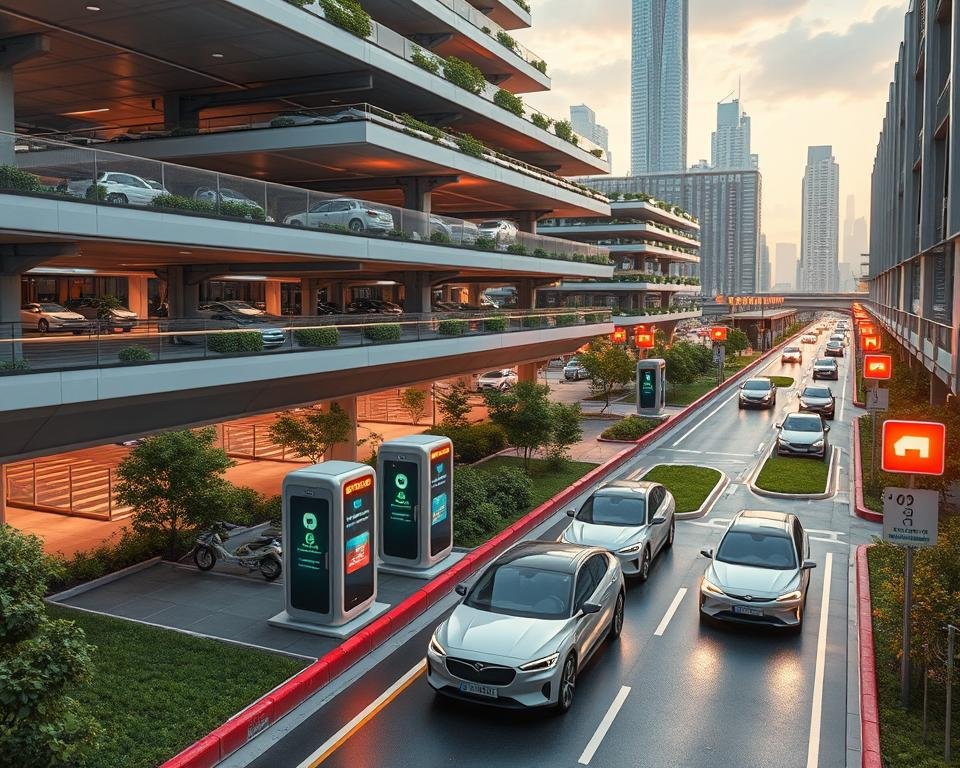
The UAE has always been a place where ambition meets innovation. From futuristic skylines to world-class infrastructure, cities like Dubai, Abu Dhabi, and Sharjah continue to push the boundaries of urban living. Yet, with rapid growth comes a familiar challenge: parking. As populations rise and vehicle ownership increases, finding a parking spot has become one of the most time-consuming parts of daily city life. Smart parking is now stepping in as a quiet but powerful force, reshaping how residents and visitors move through UAE cities.
Smart parking is not just about convenience. It is about reclaiming time, reducing stress, and making cities more livable. Across the UAE, intelligent parking systems are transforming roads, neighborhoods, and commercial districts in ways that feel both practical and surprisingly human.
The UAE’s cities are expanding at a remarkable pace. New residential towers, business districts, malls, and entertainment hubs are opening every year. Alongside this growth is a steady rise in private vehicle ownership, driven by affordable fuel, strong road networks, and a culture that values mobility.
This growth has placed enormous pressure on traditional parking systems. Drivers often circle blocks repeatedly, adding to congestion, fuel consumption, and frustration. What was once a minor inconvenience has become a daily pain point for many city dwellers.
Parking stress affects more than just travel time. It influences work productivity, shopping experiences, and even social plans. Studies and city data consistently show that a significant portion of urban traffic is caused by drivers searching for parking. In the UAE’s fast-paced lifestyle, wasted minutes quickly add up to lost hours.
Smart parking is emerging as a solution that understands this emotional side of urban mobility, not just the technical one.
Smart parking systems use a combination of sensors, cameras, data analytics, and mobile applications to monitor parking availability in real time. These systems guide drivers directly to available spaces, eliminating unnecessary driving and guesswork.
In many UAE cities, this technology operates seamlessly. Drivers may not even realize the complexity behind the scenes. What they notice is how much smoother their journey feels.
Traditional parking relies heavily on manual enforcement and fixed pricing. Smart parking introduces dynamic pricing, automated payments, and digital monitoring. This shift allows city authorities to manage parking demand more effectively while offering drivers a fairer and more transparent experience.
The result is a system that feels less restrictive and more responsive to real-world needs.
One of the most visible trends in the UAE is the rise of mobile apps that show real-time parking availability. These apps allow drivers to check nearby parking spaces before they even leave their destination.
For residents, this means fewer last-minute delays. For visitors, especially tourists unfamiliar with local areas, it offers confidence and ease. This simple shift has dramatically reduced congestion in busy zones across major cities.
The UAE has embraced cashless living, and parking is no exception. Smart meters and mobile payment platforms allow drivers to pay digitally, extend parking sessions remotely, and receive alerts before time expires.
This trend has removed the anxiety of rushing back to a car or worrying about fines. Parking now fits naturally into the digital lifestyle that UAE residents already enjoy.
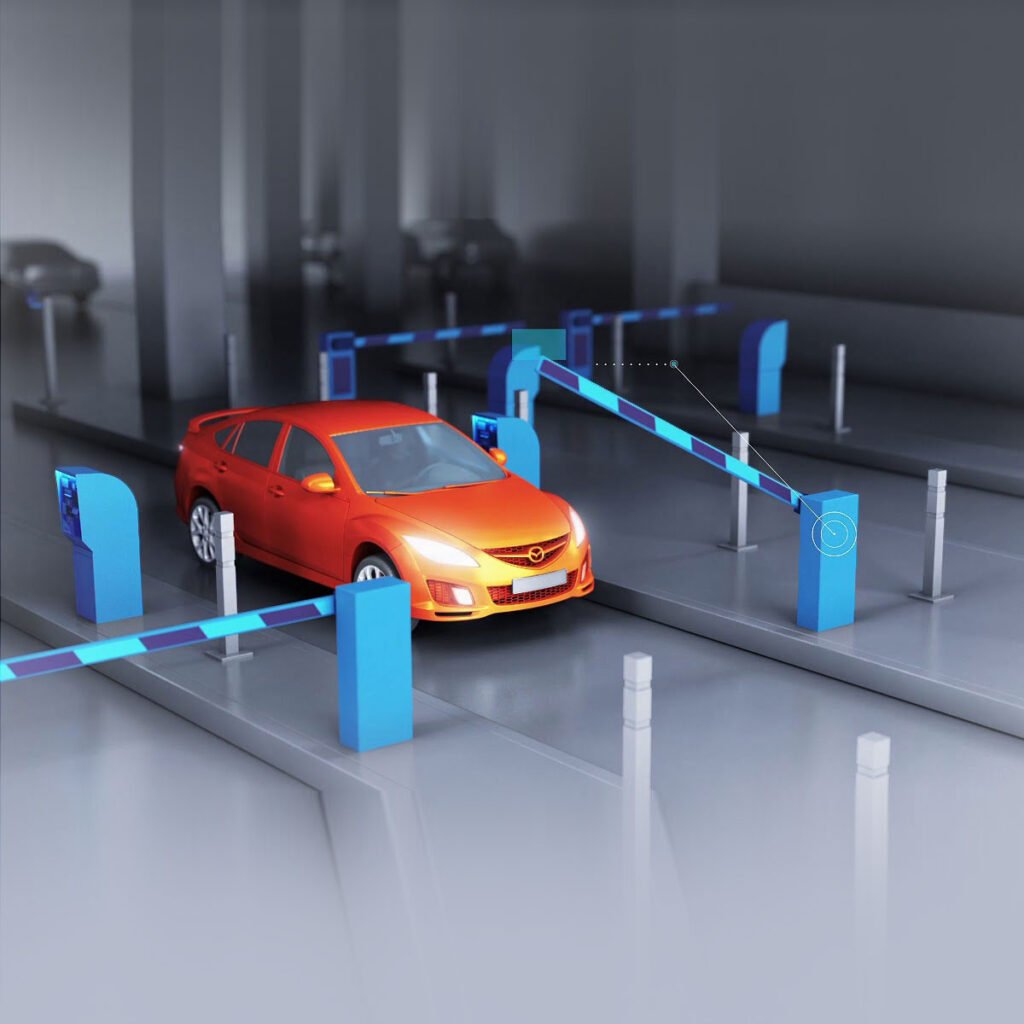
Artificial intelligence is playing a growing role in parking enforcement. License plate recognition systems automatically record entry and exit times, ensuring accurate billing and reducing human error.
This technology also improves security. Vehicles are monitored efficiently, and unauthorized access is minimized. For drivers, the experience feels smoother and more trustworthy.
Developers across the UAE are integrating smart parking into new residential projects. Residents can reserve spaces, track visitor parking, and receive notifications through community apps.
This trend is especially impactful in high-density areas, where parking disputes were once common. Smart systems have brought order, fairness, and a sense of calm to shared living spaces.
Time is one of the most valuable resources in the UAE’s fast-moving cities. Smart parking gives it back. By guiding drivers directly to available spaces, it eliminates unnecessary delays and frustration.
This reduction in stress has a noticeable impact on daily routines. Commuters arrive at work calmer. Shoppers enjoy their outings more. Even short trips feel less exhausting.
Smart parking also plays a role in sustainability. Fewer cars circling for parking means lower emissions and reduced fuel consumption. Over time, this contributes to cleaner air and quieter streets.
The UAE’s commitment to sustainability and smart city initiatives aligns perfectly with this benefit. Smart parking may seem small, but its environmental impact is significant.
Tourism is a vital part of the UAE economy. Smart parking helps create a welcoming experience for visitors by removing one of the most common travel frustrations.
When parking feels easy and intuitive, tourists are more likely to explore, shop, and return. This subtle improvement strengthens the overall image of UAE cities as world-class destinations.
Businesses thrive when access is easy. Smart parking ensures that customers can find parking quickly, encouraging longer visits and repeat trips.
Retail centers, restaurants, and entertainment districts across the UAE are already seeing the benefits. Convenient parking directly translates into increased footfall and higher customer satisfaction.
Smart parking systems generate valuable data. City planners can analyze usage patterns, peak times, and demand zones to make better infrastructure decisions.
This data-driven approach allows cities to grow intelligently, ensuring that future developments are supported by efficient parking solutions from day one.
The UAE government has consistently championed smart city initiatives. Smart parking fits naturally into this vision by improving mobility, efficiency, and quality of life.
Public-private partnerships have accelerated adoption, ensuring that innovation reaches both high-profile districts and everyday neighborhoods.
At its core, smart parking reflects a shift in urban philosophy. Cities are no longer designed only around vehicles but around people. By reducing friction in daily travel, smart parking supports healthier, happier urban communities.
This human-centered approach is what makes the trend truly transformative.
While smart parking is growing rapidly, adoption still requires awareness. Some drivers are slow to trust new systems or explore available apps and tools.
Education and user-friendly design will play a crucial role in ensuring that everyone benefits from these innovations.
As electric vehicles, autonomous cars, and shared mobility services grow in the UAE, smart parking will continue to evolve. Charging stations, automated valet systems, and vehicle-to-infrastructure communication are already on the horizon.
The future of parking is not just smart, but deeply connected to the broader mobility ecosystem.
Smart parking is quietly changing the rhythm of UAE cities. It is turning frustration into convenience, congestion into flow, and wasted time into meaningful moments. More importantly, it reflects the UAE’s ability to blend advanced technology with real human needs.
As these systems continue to expand, residents and visitors alike will experience cities that feel more intuitive, more welcoming, and more efficient. Smart parking may begin with a parking space, but its impact reaches far beyond, shaping a future where urban living truly works for everyone.
Do Follow Estate Magazine on Instagram
Read More:- Experience Innovation: Dubai’s First Mercedes-Benz Themed Urban Masterpiece 2025