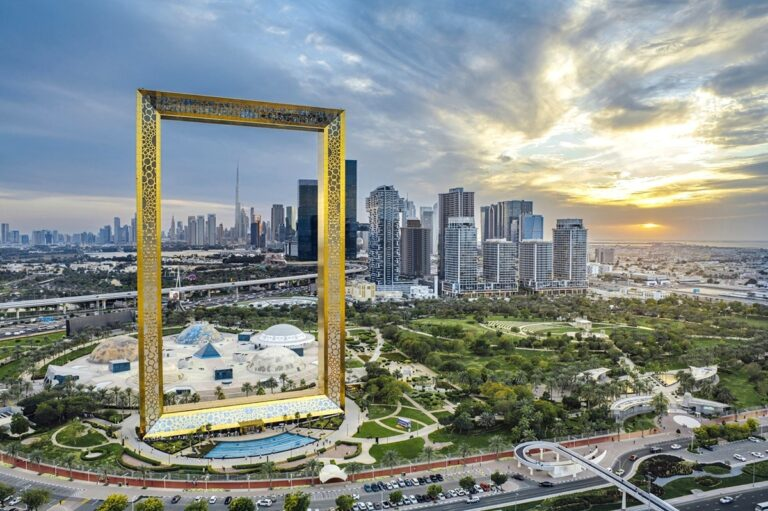
Dubai continues to attract buyers from across the world. In 2026, the city remains one of the most dynamic places to Purchasing property in Dubai, supported by strong infrastructure, investor-friendly regulations, and long-term growth plans. Buyers are drawn by lifestyle benefits as well as financial opportunity.
Whether you are purchasing a home to live in or buying as an investment, understanding the process is essential. Dubai’s property market operates differently from the UK and other regions. Knowing what to expect helps reduce risk and improves decision-making.
Dubai’s property market in 2026 is shaped by population growth, international demand, and continued government investment. New communities, transport links, and commercial zones are influencing where buyers choose to invest. Demand remains strong in established locations as well as emerging neighbourhoods.
Prices vary significantly depending on location, property type, and developer reputation. Apartments remain popular with first-time buyers, while villas and townhouses attract families and long-term residents. Market stability has improved compared to previous cycles, making timing less speculative.
Navigating the buying process is easier with local expertise. Real estate agents in Dubai play a key role in helping buyers understand pricing, legal requirements, and area suitability. They also provide access to off-market listings and new launches that may not be widely advertised.
An experienced agent can explain service charges, handover timelines, and developer incentives. This support is especially important for overseas buyers who may not be familiar with local procedures. Professional guidance reduces delays and avoids costly misunderstandings.
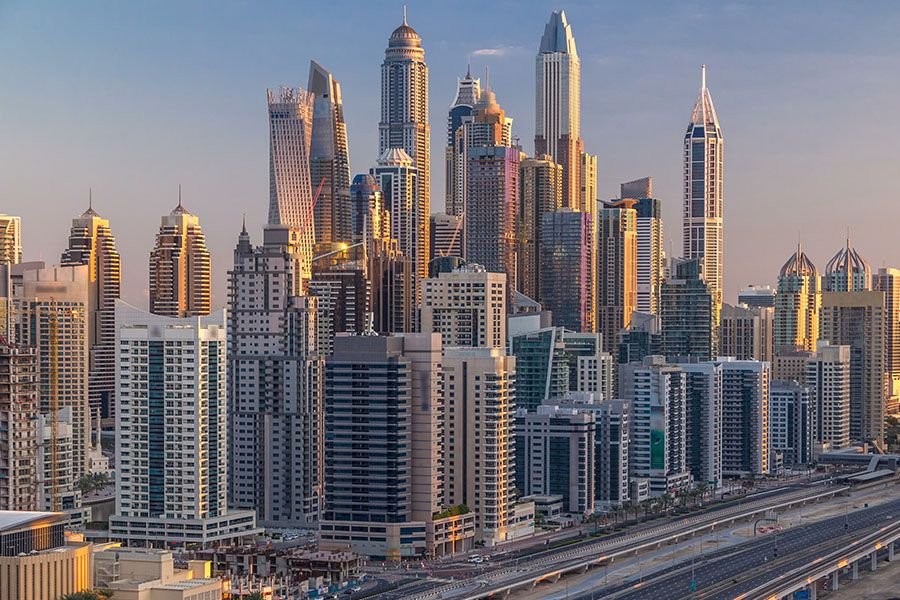
Dubai allows foreign buyers to purchase property in designated freehold areas. These zones offer full ownership rights and long-term security. Popular freehold locations include Dubai Marina, Downtown Dubai, Palm Jumeirah, Jumeirah Village Circle, and Business Bay.
Each area offers a different lifestyle and investment profile. Waterfront districts appeal to short-term rental investors, while suburban communities attract families. Understanding zoning rules ensures buyers select properties that align with their goals.

Buyers in Dubai can choose between off-plan properties and completed homes. Off-plan purchases often come with lower entry prices and flexible payment plans. Developers may also offer post-handover payment structures to attract buyers.
Ready properties provide immediate rental income or occupancy. They allow buyers to inspect the finished unit and assess the surrounding community. The decision depends on budget, risk tolerance, and whether immediate use is required.
Dubai has a clear legal framework governing property transactions. All sales must be registered with the Dubai Land Department. Title deeds are issued once payment and registration are complete, providing official proof of ownership.
Escrow laws protect buyers when purchasing off-plan. Funds are held in regulated accounts and released to developers only as construction milestones are met. This system has improved buyer confidence and market transparency.
Beyond the purchase price, buyers should budget for additional costs. These include the Dubai Land Department transfer fee, registration charges, and agent commission. Service charges also apply for ongoing maintenance of communal areas.
Mortgage buyers may face valuation and processing fees. Cash buyers benefit from faster transactions and stronger negotiating power. Understanding total costs upfront prevents unexpected financial pressure later.
Dubai offers mortgage options for both residents and non-residents. Loan-to-value ratios vary depending on buyer status and property value. Residents typically receive higher financing limits compared to overseas buyers.
Interest rates and repayment terms depend on the lender and market conditions. Pre-approval is recommended before committing to a purchase. This clarifies borrowing limits and strengthens negotiating position with sellers.
Dubai remains attractive for rental yields compared to many global cities. Short-term and long-term rentals both offer opportunities depending on location. Areas near business hubs, transport links, and tourist attractions tend to perform well.
Investors should research service charges, vacancy rates, and tenant demand. Professional property management can improve returns and reduce stress. A realistic income forecast is essential for long-term success.
Property ownership in Dubai can provide residency options. Buyers who meet minimum value thresholds may be eligible for renewable residence visas. These visas allow long-term stay and access to local services.
Visa rules may evolve, so buyers should stay informed. Property-linked visas do not grant citizenship but offer stability for frequent visitors or part-time residents. This benefit adds long-term appeal for international buyers.
Many buyers rush into decisions without understanding service charges or developer history. Failing to review contracts carefully can lead to disputes later. Independent legal advice is always recommended.
Another common mistake is focusing only on price. Location quality, building management, and resale potential matter just as much. A balanced approach leads to better outcomes over time.
Buying property in Dubai should be approached with a long-term mindset. Market cycles exist, but well-located properties tend to hold value. Infrastructure upgrades and population growth continue to support demand.
Regular maintenance and professional management protect asset value. Whether you plan to sell, rent, or occupy the property, clear planning ensures the purchase remains beneficial beyond 2026.
Dubai offers a transparent and well-regulated environment for property buyers. The process is structured, and protections are in place for both residents and overseas investors. With the right preparation, purchasing property can be smooth and rewarding.
Taking time to understand the market, costs, and legal framework makes a significant difference. In 2026, Dubai continues to stand out as a global destination for confident and informed property buyers. In addition, sustainability and community planning are becoming more influential in buyer decisions across Dubai.
New developments increasingly focus on green spaces, energy efficiency, and walkable neighbourhoods. These features not only improve day-to-day living but also support long-term value. Buyers who consider future lifestyle trends alongside location and price are often better positioned as the property market continues to evolve.
Read More:- Real Estate General Authority Delivers 7 Powerful Wins for Market Transparency