Qatar’s real estate landscape is undergoing a transformative phase, marked by an impressive and expanding project pipeline. This evolution reflects the nation’s commitment to becoming a global hub for business, tourism, and culture. As the world turns its eyes towards Qatar, particularly in light of its recent hosting of the FIFA World Cup, the real estate sector is poised for significant growth. In this article, we will explore the various dimensions of Qatar’s continuing real estate project pipeline and what it means for investors, residents, and the economy at large.
Qatar’s real estate project pipeline is robust, driven by a combination of strategic government initiatives and increasing foreign investment. The nation’s Vision 2030 plan aims to diversify the economy and enhance the quality of life for its citizens and residents. As a result, the government is investing heavily in infrastructure, hospitality, residential, and commercial projects.
The ongoing development projects not only aim to meet the immediate housing demands but also to create world-class facilities that will attract international businesses and tourists alike. With a focus on sustainability and innovation, these projects are designed to cater to a modern lifestyle while respecting Qatar’s rich cultural heritage.
Several notable projects highlight the vibrancy of Qatar’s continuing real estate project pipeline. Here’s a closer look at some of the most pivotal developments:
Lusail City is one of Qatar’s flagship developments, envisioned as a smart city that integrates technology with urban living. This multi-billion-dollar project will include residential, commercial, and recreational spaces, making it a self-sustaining community. With its futuristic design and commitment to sustainability, Lusail is set to redefine urban living in Qatar, appealing to both locals and expats.
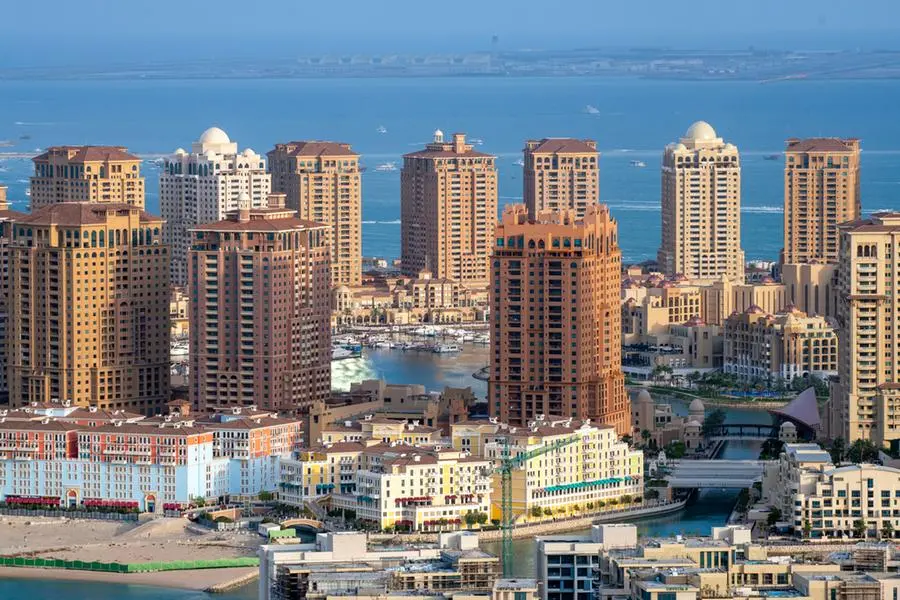
The Pearl-Qatar continues to be a benchmark for luxury living in the region. This man-made island boasts opulent residential units, high-end retail shops, and fine dining establishments. As Qatar’s real estate project pipeline expands, The Pearl-Qatar is expected to see further enhancements, solidifying its status as a prime destination for affluent residents and visitors.
Msheireb Downtown Doha represents a remarkable blend of heritage and modernity. This project aims to revitalize the heart of Doha by incorporating sustainable development practices while preserving the city’s historical essence. With residential, commercial, and cultural spaces, Msheireb is designed to foster community engagement and promote Qatari culture.
Events like the FIFA World Cup have had a profound impact on Qatar’s real estate market. The influx of international visitors and workers has accelerated demand for housing and commercial spaces. This has prompted developers to expedite projects within the pipeline to accommodate the growing population.
Furthermore, the successful hosting of such a global event has put Qatar on the map, enhancing its reputation as a desirable location for future investments. The real estate sector stands to benefit significantly as more international companies consider establishing a presence in the country.
Sustainability is at the forefront of Qatar’s real estate development strategy. The government is committed to implementing green building practices, which help reduce the environmental impact of new developments. Qatar’s continuing real estate project pipeline emphasizes eco-friendly designs, efficient energy systems, and the use of sustainable materials.
Developers are increasingly incorporating smart technologies into their projects, enhancing energy efficiency and improving the overall quality of life for residents. This commitment to sustainability not only addresses environmental concerns but also aligns with global trends towards greener living.
Foreign investment plays a crucial role in Qatar’s continuing real estate project pipeline. The country has introduced several reforms to attract international investors, including relaxed ownership laws and incentives for foreign businesses. These measures have made Qatar an appealing destination for investors looking to capitalize on the growing real estate market.
With an increasing number of expatriates residing in Qatar, the demand for diverse housing options is on the rise. Developers are responding to this demand by creating a mix of affordable, luxury, and mid-range properties, ensuring that all segments of the population are catered to.
Despite the promising outlook, Qatar’s real estate sector faces several challenges. Market fluctuations, global economic uncertainties, and competition from other nations can impact investment levels. Additionally, developers must navigate regulatory processes and ensure compliance with local laws, which can sometimes be complex and time-consuming.
To mitigate these challenges, collaboration between government bodies and private developers is essential. This partnership can foster a more streamlined approach to project approvals and enhance the overall investment climate.
Looking ahead, Qatar’s continuing real estate project pipeline is set to evolve further. The combination of strategic planning, innovative development practices, and a growing economy positions the nation for sustained growth. As the demand for real estate continues to rise, both domestic and international investors will likely find ample opportunities within the market.
Qatar’s commitment to creating world-class living and working environments ensures that its real estate sector remains vibrant and attractive. The ongoing projects are not just about constructing buildings; they represent a vision for a prosperous future, where quality of life is prioritized, and cultural heritage is celebrated.
Qatar’s continuing real estate project pipeline signifies a transformative era for the nation. With ambitious developments underway, a focus on sustainability, and an influx of foreign investment, the future looks promising for the real estate sector. As Qatar positions itself as a global hub, the impact of these projects will resonate for years to come, making the country an exciting place to live, work, and invest.
Do Follow Estate Magazine on Instagram
Read Next – Saudi urban development and real estate futures