Qatar real estate transactions have recorded a notable upswing, reaching an impressive value of approximately QAR657 million within a single week. The surge reflects sustained demand across residential, commercial, and investment-driven property segments, underscoring the resilience and maturity of the country’s real estate market.
This level of activity signals renewed confidence among buyers and investors, supported by steady economic conditions, population stability, and long-term national development strategies. Rather than being concentrated in a single location or asset class, the transactions were spread across multiple municipalities, pointing to broad-based market strength rather than isolated growth.
A significant portion of the total transaction value was generated through registered sales contracts. These contracts, formally recorded with the Department of Real Estate Registration at the Ministry of Justice, highlight the continued importance of structured, transparent processes in maintaining market credibility.
Sales contracts covered a wide range of property types, from residential units to land plots and mixed-use developments. The diversity of these transactions suggests that buyers are not only seeking end-user homes but are also positioning themselves for long-term capital appreciation and rental income.
Residential unit transactions played a central role in lifting overall market value. Demand for apartments, villas, and housing compounds remains consistent, driven by both local buyers and expatriate residents seeking stability and ownership opportunities.
Lifestyle-driven developments, proximity to employment hubs, and access to community amenities continue to influence buyer preferences. Well-planned residential areas with integrated retail, education, and leisure facilities are attracting sustained interest, reinforcing the residential segment as a cornerstone of Qatar’s real estate ecosystem.
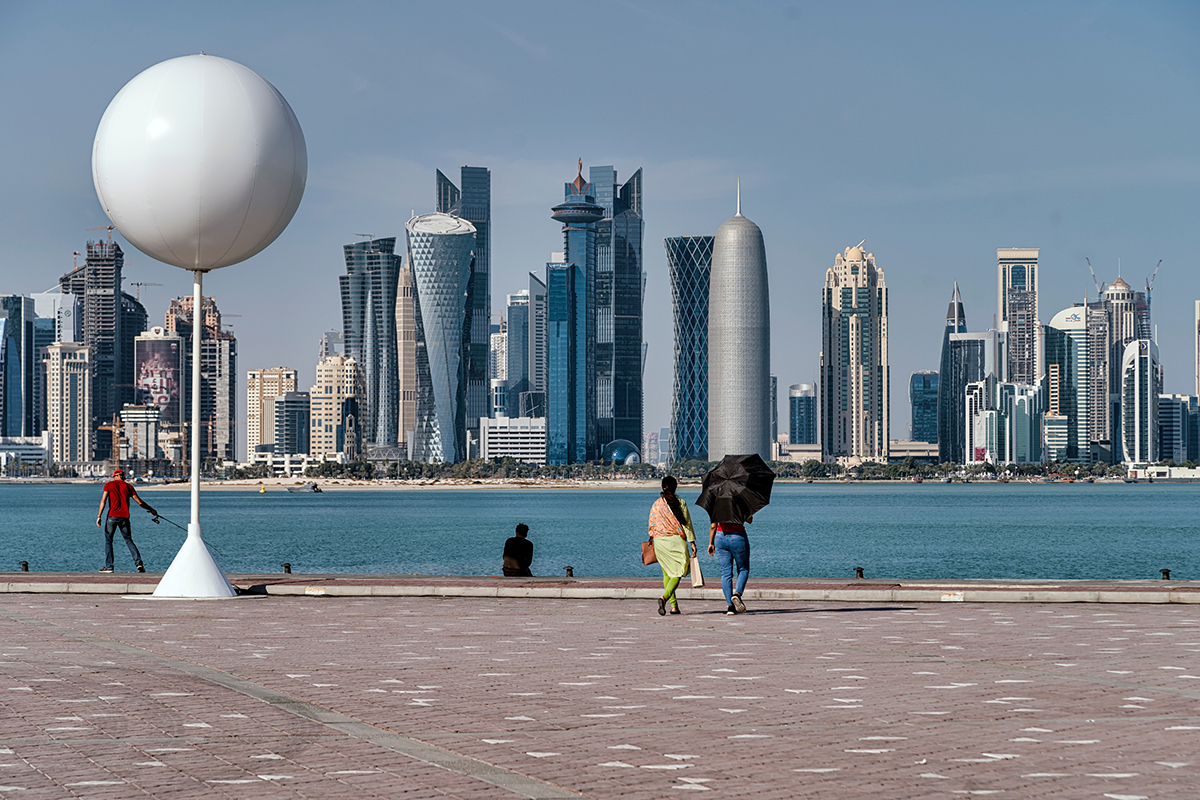
Sales activity was distributed across several municipalities, reflecting a balanced geographical spread rather than concentrated speculation. Established urban centres such as Doha continue to dominate transaction volumes due to their commercial density, infrastructure, and established neighborhoods.
At the same time, emerging and master-planned areas like Lusail are gaining traction, benefiting from modern infrastructure, waterfront living, and future-focused urban design. Meanwhile, areas within Al Rayyan continue to appeal to families and long-term residents due to their blend of affordability and accessibility.
The strength of Qatar real estate transactions reflects more than short-term buying activity. It demonstrates a level of investor confidence rooted in regulatory clarity, political stability, and a clear national vision for growth. Buyers are increasingly viewing property as a stable store of value rather than a speculative asset.
Government-backed development initiatives and infrastructure investments continue to enhance market fundamentals. These factors collectively reduce risk perceptions and encourage both domestic and regional investors to allocate capital to real estate assets within the country.
One of the defining strengths of the Qatari real estate market is the structured and transparent registration process. All transactions registered through official channels provide clarity on ownership, valuation, and legal standing, which in turn strengthens market trust.
This transparency plays a crucial role in sustaining transaction volumes. Buyers are more willing to commit capital when they feel protected by robust legal frameworks and clear documentation procedures, contributing to steady and sustainable growth rather than volatile cycles.
Beyond completed properties, land transactions also formed a meaningful part of the overall transaction value. Interest in land indicates forward-looking investment behavior, with buyers planning future residential or commercial developments.
Such transactions are often linked to long-term urban expansion and infrastructure rollout. As new districts evolve and connectivity improves, land acquired today may become the foundation for tomorrow’s housing communities, office clusters, or mixed-use destinations.

While residential properties dominated activity, commercial and mixed-use assets also attracted attention. Offices, retail spaces, and combined developments remain relevant as businesses adapt to evolving work patterns and consumer behavior.
Strategically located commercial properties with flexible layouts and modern amenities are particularly appealing. These assets support diversification within investment portfolios and contribute to the broader economic ecosystem by enabling business growth and employment.
The QAR657 million transaction value serves as a strong indicator of market health rather than an isolated spike. Continued population demand, steady rental yields, and infrastructure-led development suggest that transaction activity is likely to remain consistent.
As buyers become more informed and selective, quality, location, and long-term value are increasingly prioritized. This shift encourages developers to focus on sustainable design, community integration, and functional spaces, further strengthening the market’s foundation.
Qatar real estate transactions reaching QAR657 million within a week highlight a market defined by confidence, continuity, and careful growth. The breadth of activity across municipalities and property types points to genuine demand rather than speculative pressure.
For buyers, investors, and developers alike, the figures reinforce the perception of Qatar’s property sector as a reliable and forward-looking market. With transparency, stability, and diversified demand at its core, the real estate landscape continues to present meaningful opportunities across residential, commercial, and land-based investments.
Do follow Estate Magazine on Instagram
Read More:- Trend Shift: Dubai Real Estate Decisions Are Becoming More Logic-Based