Ramadan is a sacred month for millions of Muslims around the world, and in the UAE, it is marked by a profound sense of spirituality, community, and reflection. One of the most significant aspects of this holy month is fasting, which involves abstaining from food and drink from dawn until sunset. Understanding the Ramadan fasting hours in the UAE not only helps in planning daily routines but also enhances the spiritual experience during this special time.
In the UAE, Ramadan fasting hours vary slightly from day to day, depending on the time of sunrise and sunset. The fast begins at Fajr, which is before dawn, and concludes at Maghrib, when the sun sets. Typically, the fasting hours can range anywhere from 13 to 15 hours, depending on the time of year and geographical location within the UAE.
The local authorities announce the exact timings for Fajr and Maghrib prayers, which are critical for determining the fasting hours. During Ramadan, it is common to find local mosques and Islamic organizations sharing these prayer times widely, ensuring that everyone is aware of when to start and break their fast.

Fasting during Ramadan is not just about abstaining from food and drink; it carries deep spiritual significance. It is a time for self-reflection, prayer, and community bonding. By observing the fasting hours, Muslims aim to develop self-discipline, empathy for the less fortunate, and a closer connection to their faith.
The practice of fasting is also intended to purify the soul and encourage spiritual growth. Each day of fasting serves as an opportunity to engage in charitable acts, strengthen relationships with family and friends, and reflect on personal growth.
Understanding the daily schedule during Ramadan can help individuals prepare for the fasting hours in the UAE. Typically, the day is structured around two key meals: Suhoor and Iftar.
Suhoor is the pre-dawn meal consumed before the fast begins. It’s essential to have a nutritious and filling meal to sustain energy throughout the day. Iftar, on the other hand, is the meal that breaks the fast at sunset. It is often a communal event, where families and friends gather to share food and celebrate.
The traditional practice is to break the fast with dates and water, followed by a larger meal. This communal aspect of Iftar fosters a sense of unity and belonging, making Ramadan a unique time for social interaction.
Fasting can present challenges, especially in the UAE’s warm climate. Here are some helpful tips to navigate the fasting hours effectively:
Stay Hydrated: Drink plenty of water during the non-fasting hours to ensure you remain hydrated throughout the day.
Plan Your Meals: Focus on balanced meals during Suhoor and Iftar. Incorporate a mix of carbohydrates, proteins, and healthy fats to maintain energy levels.
Adjust Your Routine: If possible, shift your work or daily activities to accommodate the fasting hours, especially if you experience fatigue.
Engage in Spiritual Activities: Use the time during fasting to read the Quran, engage in prayers, or participate in community service.
Be Mindful of Your Health: If you have pre-existing health conditions, consult with a healthcare professional about fasting during Ramadan to ensure you do so safely.
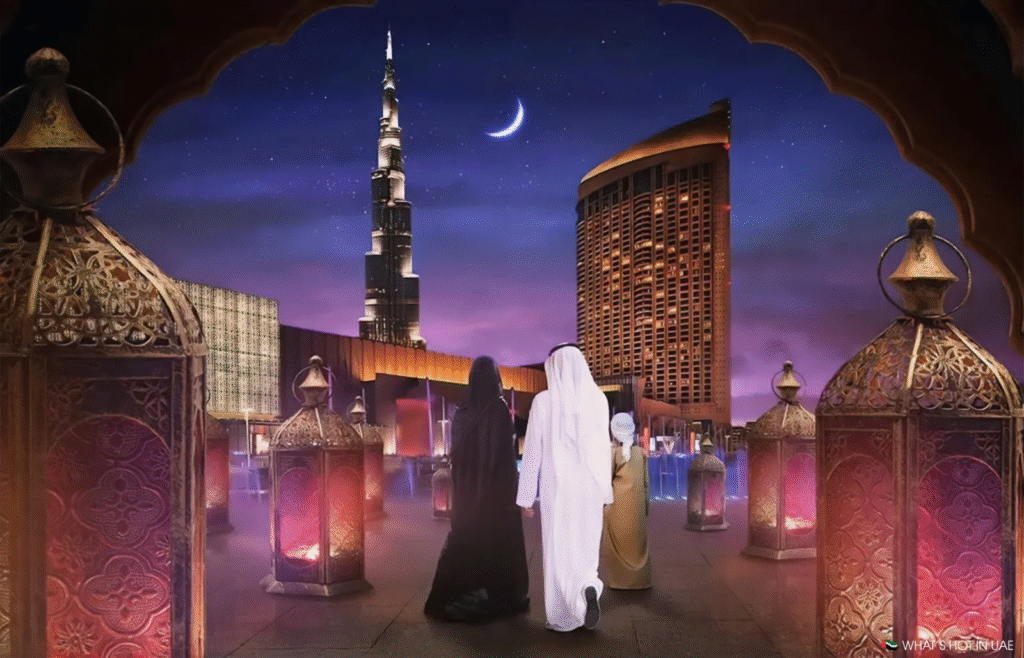
One of the most beautiful aspects of Ramadan is the emphasis on community and charity. Many individuals and organizations in the UAE take this opportunity to give back to those in need. Food drives, charity events, and community iftars are common during this month, allowing everyone to participate in acts of kindness.
The spirit of giving is not limited to just financial contributions. Many people donate their time and effort, volunteering in various initiatives that aim to support less fortunate families and individuals. This sense of community is one of the reasons why Ramadan is cherished so deeply in the UAE.
As the month of Ramadan comes to an end, celebrations begin with Eid al-Fitr, a festival that marks the conclusion of fasting. This day is filled with joy, feasting, and giving thanks. It’s a time for family gatherings, exchanging gifts, and sharing meals with loved ones.
Understanding the Ramadan fasting hours in the UAE not only enriches the fasting experience but also enhances the sense of community and spirituality that defines this holy month. It’s a time for reflection, growth, and connection with others, making it a cherished period for Muslims around the world.
Do Follow Estate Magazine on Instagram
Read More:- Understanding Villa Price Growth in Today’s Real Estate Mark 2026