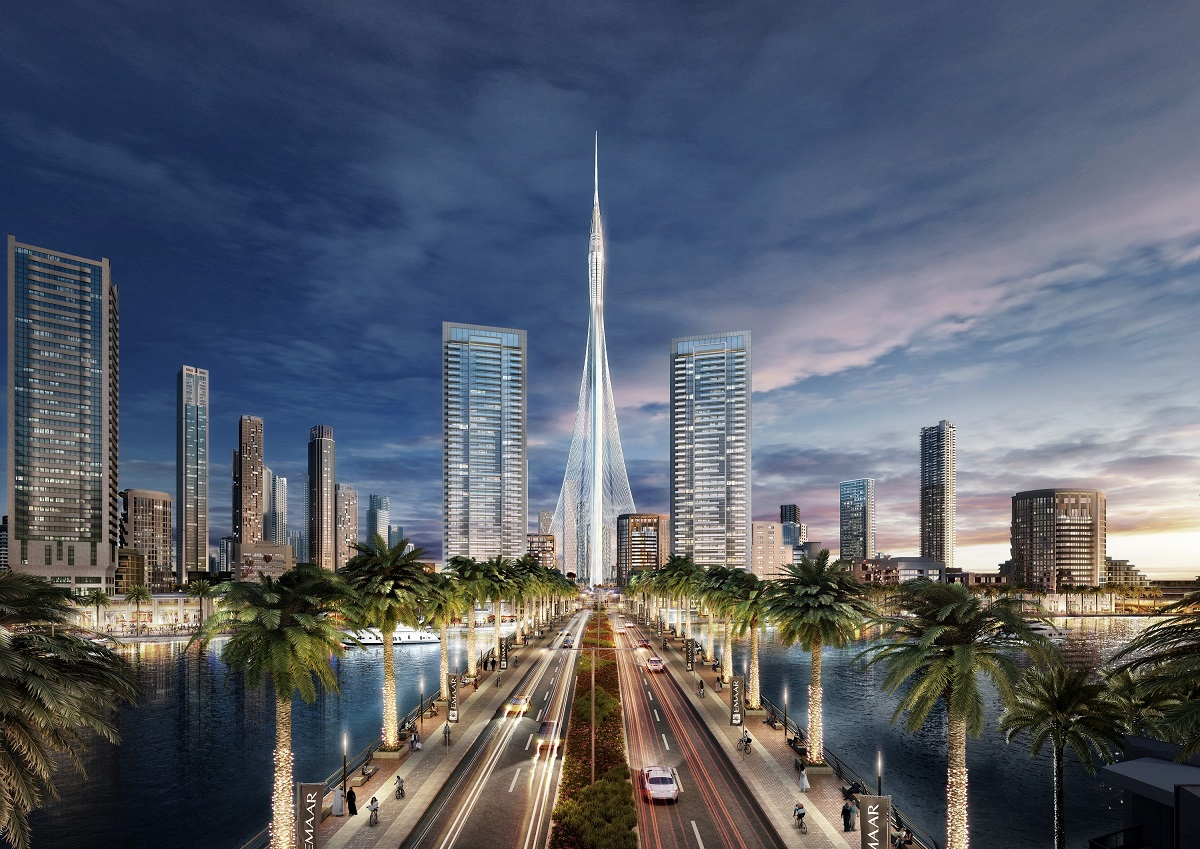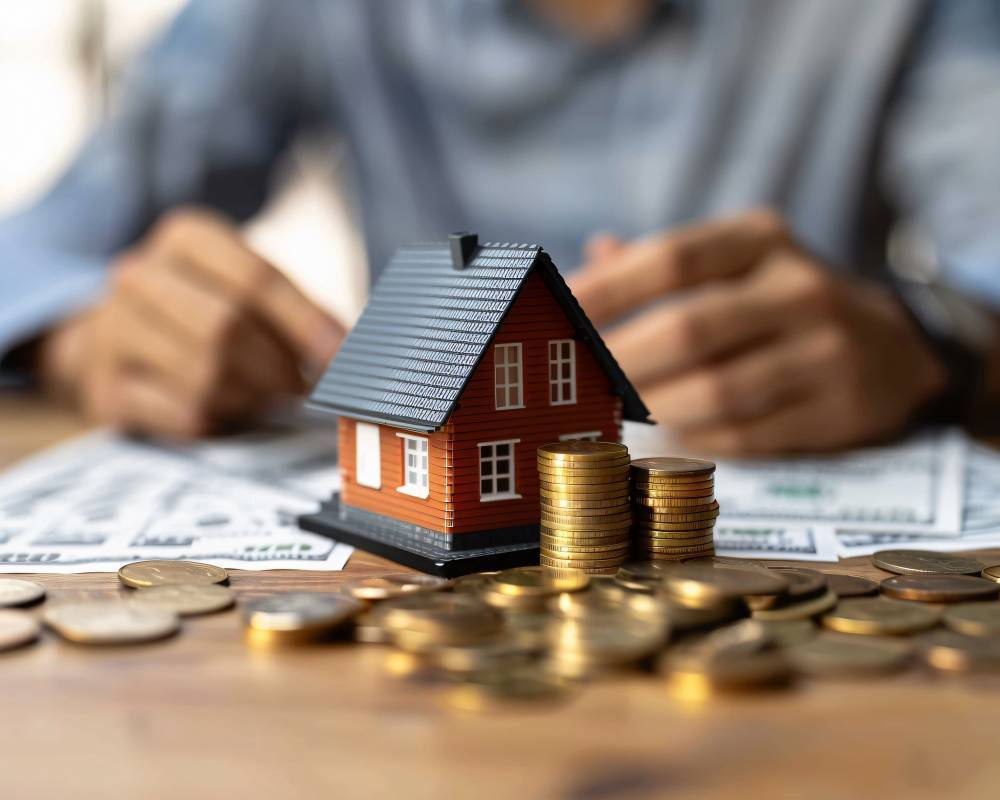
In the ever-evolving landscape of real estate, the demand is becoming increasingly segmented. One of the most notable trends is the rise of affordable master-planned communities. These communities are designed to meet the diverse needs of buyers, making them an appealing option for many. The shift towards these developments reflects changing demographics, lifestyle preferences, and economic factors that influence housing choices today.
Master-planned communities are large-scale residential developments that incorporate a variety of housing types, amenities, and services. They are designed with a holistic vision, often incorporating parks, schools, shopping, and recreational facilities. The goal is to create a self-sustaining environment where residents can live, work, and play without needing to travel far.
Affordable master-planned communities specifically cater to individuals and families looking for quality housing at a reasonable price. These developments often provide a range of options from single-family homes to townhouses, allowing for flexibility in lifestyle and budget.

The growing demand for affordable housing options stems from several factors. As housing prices soar in urban centers, many families are seeking alternatives that provide a sense of community without breaking the bank. Economic shifts, including stagnating wages and rising living costs, make affordability a top priority for many homebuyers.
In this context, affordable master-planned communities are emerging as a viable solution. They often offer homes at lower price points while still providing the desirable amenities that attract buyers. This balance is key to meeting the needs of a diverse demographic, including first-time homebuyers, retirees, and even investors looking for rental properties.
Affordable master-planned communities typically share several key features that set them apart from traditional housing developments.
One of the most significant aspects is their focus on community engagement. These developments often include shared spaces, parks, and recreational facilities that encourage interaction among residents. This sense of connection is a powerful draw for buyers who value a supportive neighborhood environment.
Additionally, many of these communities prioritize sustainability. Developers are increasingly incorporating green building practices and energy-efficient designs, which not only lower utility costs for homeowners but also appeal to environmentally-conscious buyers.
Another important feature is the inclusion of mixed-use spaces. Affordable master-planned communities often integrate commercial areas with residential zones, allowing residents easy access to shops, services, and employment opportunities. This design not only enhances convenience but also contributes to a vibrant community atmosphere.
The segmentation of real estate demand is closely tied to changing demographics. Millennials and Gen Z are entering the housing market, often seeking affordable options that align with their values of sustainability and community. These younger buyers are more likely to prioritize lifestyle features over traditional homeownership metrics, making affordable master-planned communities particularly appealing.
Moreover, as the population ages, many retirees are looking for low-maintenance living options. Affordable master-planned communities frequently provide single-story homes and amenities that cater to older adults, making them an attractive choice for this demographic as well.
Families also play a vital role in the demand for these communities. Many parents are searching for safe, family-friendly neighborhoods with access to good schools and recreational activities. Affordable master-planned communities often excel in providing these features, making them a preferred option for young families.
The current economic climate has a significant influence on the demand for affordable master-planned communities. With interest rates fluctuating and housing markets shifting, buyers are more cautious about their investments. Affordable options allow them to secure a home without the financial strain associated with more expensive properties.
Additionally, as urban areas become increasingly crowded and expensive, many individuals are looking to suburban or rural areas for affordable housing. This trend toward decentralization boosts the appeal of master-planned communities located in these regions, as they often provide larger homes and more land at competitive prices.

Looking ahead, the future of affordable master-planned communities appears bright. As the demand for affordable housing continues to grow, developers are increasingly focusing on creating these types of communities. Innovations in design, sustainability, and community engagement will likely shape the next generation of master-planned developments.
Moreover, as more people recognize the benefits of living in these communities, they may become a preferred choice for a wider range of demographics. The combination of affordability, lifestyle amenities, and community spirit will continue to attract homebuyers seeking a balanced life.
The real estate landscape is undeniably evolving, with demand increasingly segmented toward affordable master-planned communities. These developments provide a unique solution to the challenges faced by today’s homebuyers, offering a blend of affordability, community, and sustainability. As more individuals and families seek out these options, the future of real estate will continue to shift, embracing a model that prioritizes quality living without financial burden.
In this changing environment, affordable master-planned communities stand out as a beacon of hope for many, ensuring that the dream of homeownership remains attainable for a diverse array of buyers.
Do Follow Estate Magazine on Instagram
Read More:- Aljada Sharjah: Explore a Stunning Freehold Integrated Community 2026