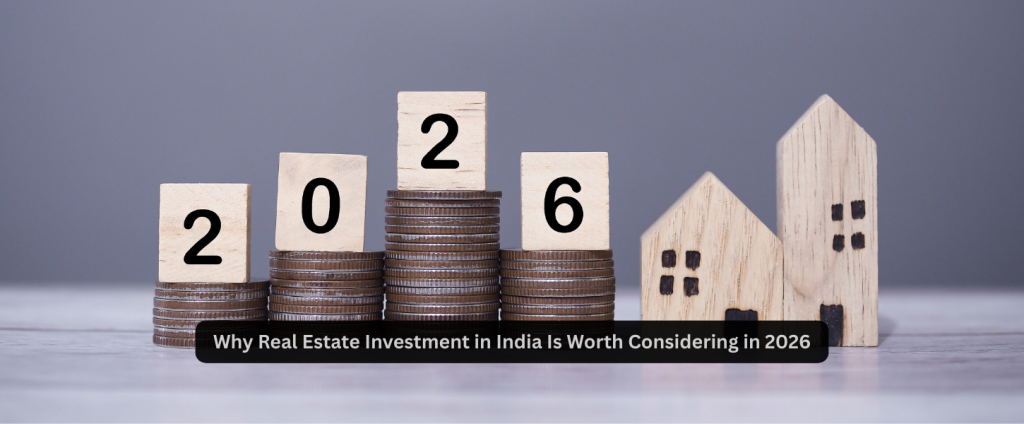
The real estate market outlook for 2026 presents a fascinating landscape, one filled with opportunities and challenges. As we approach this pivotal year, it’s crucial to understand the factors that will shape the market. From economic indicators to changing demographics, the trajectory of real estate will be influenced by a myriad of elements. This article delves into the key trends, predictions, and insights for the real estate market outlook in 2026.
The economic climate plays a critical role in determining the real estate market outlook. As we look ahead to 2026, several economic indicators merit attention.
The performance of the job market will be central to the housing industry. A stable job market typically leads to increased consumer confidence and higher demand for homes. With advancements in technology and shifts in work culture, remote work could continue to drive demand in suburban and rural areas, altering traditional market dynamics.
Interest rates are another pivotal factor. The Federal Reserve’s decisions regarding interest rates will significantly impact mortgage rates. If rates remain low, homebuyers may find more attractive financing options, potentially bolstering demand. Conversely, rising rates could dampen enthusiasm among potential buyers, leading to slower market growth.

Demographics are a fundamental piece of the real estate market outlook. As millennials and Gen Z enter the housing market, their preferences are influencing trends. Unlike previous generations, younger buyers may prioritize sustainability, technology, and community-oriented living spaces.
This shift may lead to a rise in demand for eco-friendly homes and smart home technology. Builders who adapt to these preferences could find themselves at a competitive advantage. Additionally, the aging population will necessitate more accessible housing options, creating opportunities for developers focused on multi-generational living spaces.
The tug-of-war between urban and suburban living continues to evolve. While urban centers have long been the epicenter of real estate growth, the pandemic has shifted some preferences toward suburban areas. This trend may persist into 2026 as more people seek larger living spaces and a quieter lifestyle.
However, urban areas are not expected to lose their appeal entirely. Cities may adapt by enhancing public spaces and integrating remote work facilities, making them more attractive to potential buyers. Understanding how these dynamics play out will be crucial in forecasting the real estate market outlook.
In recent years, technology has revolutionized the real estate industry, and this trend will only accelerate by 2026. Virtual tours, AI-driven property recommendations, and blockchain for secure transactions are just the tip of the iceberg.
As tech-savvy generations enter the market, the demand for digital solutions will increase. Real estate professionals who leverage technology to enhance client experiences will likely see greater success. Additionally, the rise of proptech startups could disrupt traditional business models, providing innovative solutions to longstanding industry challenges.
Sustainability is not just a trend; it is becoming a requirement in the real estate market. As climate change becomes an increasingly pressing issue, buyers are more inclined to invest in sustainable properties.
By 2026, we can expect to see more green buildings and energy-efficient homes. Developers who embrace sustainable practices may not only attract eco-conscious buyers but also benefit from potential tax incentives and lower operational costs. The real estate market outlook will be heavily influenced by how well the industry adapts to these environmental considerations.

While the real estate market outlook for 2026 is filled with promise, it is not without its risks. Economic downturns, political instability, and global events can all create uncertainty.
Supply chain disruptions, which have been exacerbated by recent global challenges, may continue to impact construction timelines and costs. Additionally, potential regulatory changes regarding housing policies could affect market dynamics. Stakeholders must remain vigilant and adaptable to navigate these challenges successfully.
The real estate market outlook for 2026 presents a complex yet exciting future. By understanding economic influences, demographic shifts, and technological advancements, industry professionals and homebuyers alike can prepare for the changes ahead.
As the market continues to evolve, staying informed and adaptable will be key. Embracing sustainability, leveraging technology, and understanding buyer preferences will be crucial in navigating this dynamic landscape. The real estate market in 2026 promises to be a fascinating arena, filled with opportunities for those willing to embrace change.
Do Follow Estate Magazine on Instagram
Read More:- Capital Appreciation Strategies: 7 Powerful Ways to Unlock Long-Term Wealth