The global real estate market is entering a phase that feels calmer, wiser, and more intentional than the fast-paced cycles of the past. After navigating years of economic shifts, policy adjustments, and evolving buyer behavior, the sector is showing signs of renewed confidence. Looking ahead, 2026 is shaping up to be a year defined not by speculation, but by steady, growth-oriented progress.
Instead of chasing quick gains, developers, investors, and homebuyers are focusing on value, livability, and long-term returns. This shift is creating a healthier foundation for real estate markets across residential, commercial, and mixed-use segments. The story of 2026 is not about explosive spikes, but about sustainable growth built on real demand.
The real estate market has spent recent years adapting to higher interest rates, inflation concerns, and cautious consumer sentiment. These pressures forced the industry to slow down, reassess priorities, and focus on fundamentals. As a result, markets are entering 2026 with more realistic pricing, better project planning, and stronger financial discipline.
This reset has helped remove speculative excess while strengthening serious, end-user-driven demand. Buyers today are more informed, patient, and value-conscious, which in turn is encouraging developers to deliver quality-driven projects rather than volume-focused launches.
What sets 2026 apart is clarity. Policy directions are more predictable, financing models are improving, and both buyers and investors understand the new market realities. This clarity is rebuilding confidence across the value chain, from land acquisition to project completion and sales.
When confidence is rooted in understanding rather than hype, growth becomes more durable.
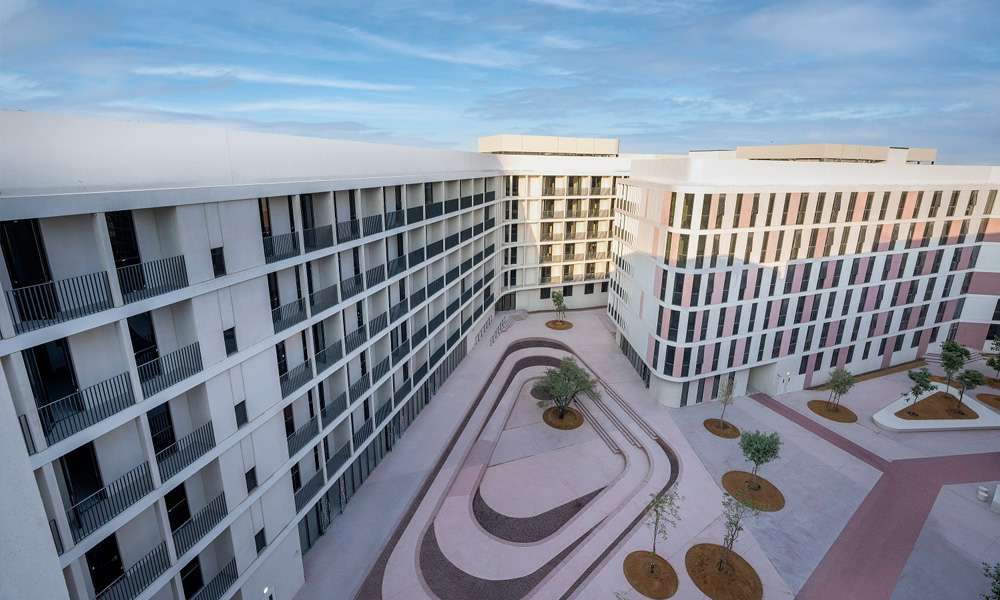
Residential real estate is expected to remain one of the strongest pillars of growth in 2026. Demand is increasingly driven by genuine needs such as family expansion, lifestyle upgrades, and long-term security rather than short-term flipping.
Urban professionals, young families, and returning investors are looking for homes that offer functionality, community, and connectivity. This demand is supporting consistent absorption rates, particularly in mid-income and premium housing segments.
Buyers are showing a clear preference for projects that are either completed or close to handover. This trend rewards developers with strong execution track records and transparent delivery timelines. It also improves market health by reducing uncertainty and speculative risk.
As a result, 2026 is likely to see stronger performance from well-planned developments that prioritize timely delivery and quality construction.

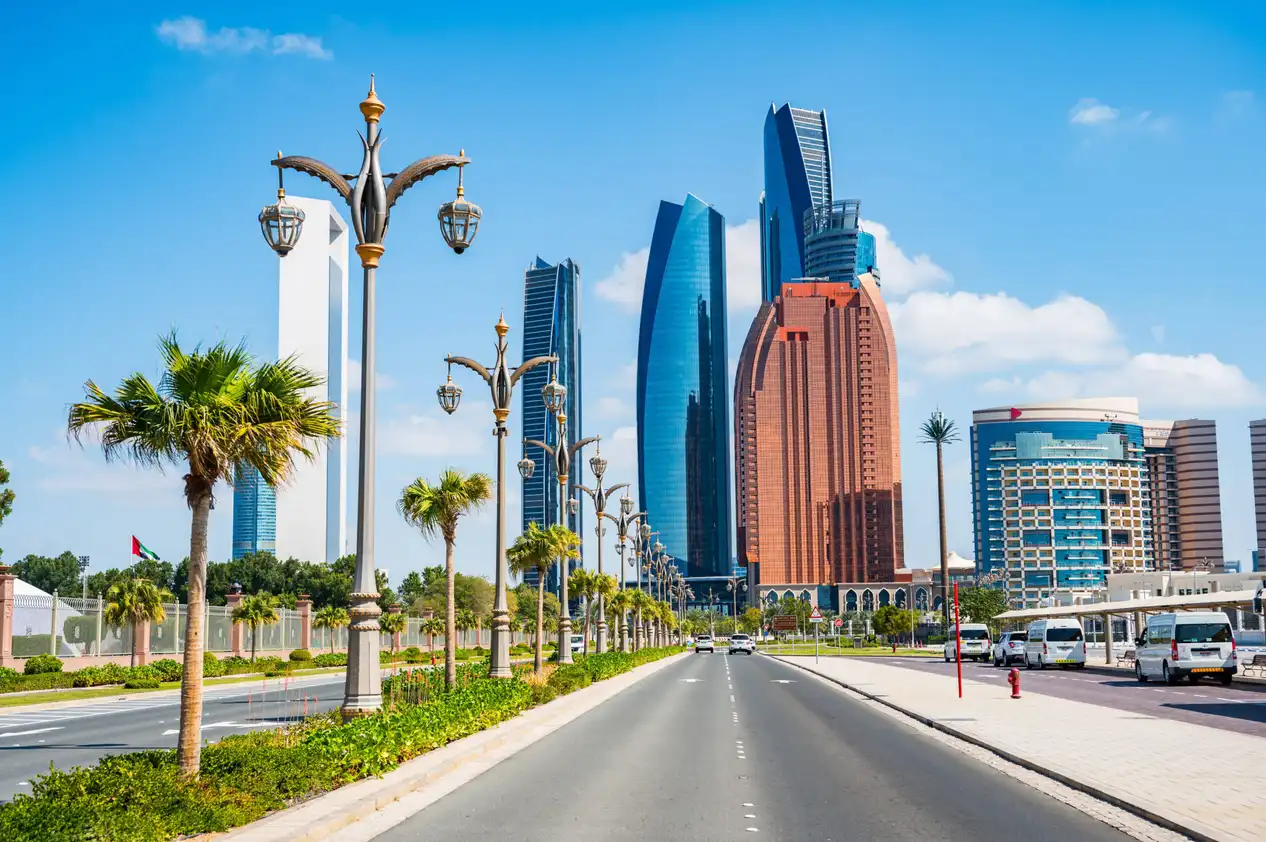
Contrary to earlier fears, office spaces are not fading away. Instead, they are evolving. By 2026, office real estate is expected to benefit from hybrid work models that emphasize collaboration, flexibility, and employee well-being.
Demand is growing for Grade A offices with smart layouts, wellness features, and strategic locations. Businesses are becoming more selective, choosing quality over quantity, which supports stable rental growth for premium assets.
Retail real estate is also transforming. Traditional formats are giving way to experience-driven destinations that combine shopping, dining, entertainment, and community spaces. These formats are proving resilient as consumers continue to value physical experiences alongside digital convenience.
Well-located retail assets with strong tenant mixes are expected to perform steadily in 2026, especially those integrated into residential or mixed-use developments.
Mixed-use developments are becoming a defining feature of growth-oriented real estate markets. These projects blend residential, commercial, retail, and leisure components into cohesive ecosystems that reduce commute times and enhance quality of life.
By 2026, such developments are likely to attract both buyers and investors looking for long-term value and diversified income potential. Their ability to serve multiple needs within a single destination makes them resilient across market cycles.
Beyond infrastructure, mixed-use projects are increasingly focused on creating communities. Green spaces, walkability, cultural zones, and social amenities are becoming key selling points. This human-centered approach is strengthening emotional connections between people and places, adding intangible value that supports long-term demand.
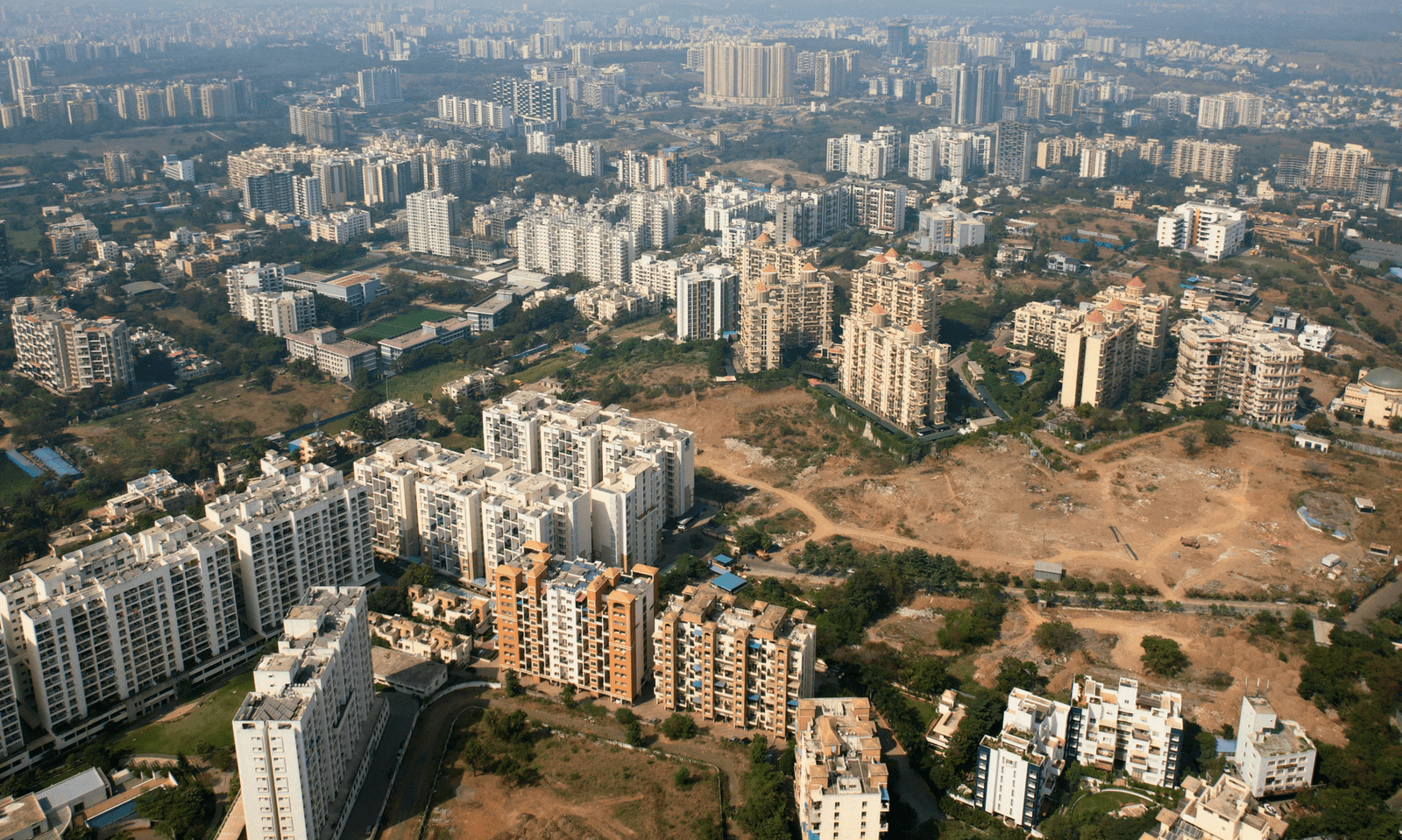
Infrastructure development continues to play a crucial role in shaping real estate growth. Improved transportation networks, new business hubs, and upgraded public amenities are expanding urban boundaries and unlocking new investment corridors.
As cities become better connected, previously underdeveloped areas are emerging as attractive residential and commercial destinations. This expansion is expected to contribute to balanced growth across regions in 2026.
Urban planning is increasingly focused on sustainability, efficiency, and inclusivity. Smart city initiatives, digital governance, and environmentally conscious zoning policies are creating more organized growth patterns. For investors, this means reduced risk and better visibility into long-term value creation.
Sustainability is no longer a niche preference. By 2026, energy-efficient designs, eco-friendly materials, and lower operating costs are becoming standard expectations rather than optional features.
Buyers and tenants are recognizing the financial and lifestyle benefits of green buildings, while developers are aligning with these expectations to enhance project appeal and future-proof assets.
Sustainable real estate is not just about environmental impact, but also about long-term value preservation. Properties that meet modern sustainability benchmarks tend to attract higher-quality occupants, face lower regulatory risks, and maintain stronger resale potential.
This alignment between responsibility and profitability is reinforcing growth-oriented sentiment across the market.
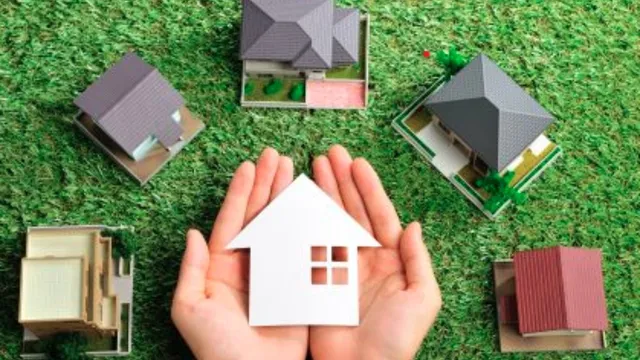
Investors entering 2026 are more strategic and selective. Instead of chasing rapid appreciation, they are prioritizing stable yields, asset quality, and long-term fundamentals. This approach supports healthier capital flows and reduces volatility.
Institutional investors, in particular, are favoring income-generating assets in well-regulated markets with transparent governance and consistent demand drivers.
In an environment where global uncertainties persist, real estate continues to be viewed as a reliable long-term hedge. Tangible assets, rental income potential, and inflation-adjusted value make property an attractive component of diversified portfolios.
This sustained investor interest is expected to underpin growth momentum through 2026.
Technology is simplifying how people buy, sell, and manage real estate. Virtual tours, digital documentation, and data-driven pricing tools are making transactions more transparent and efficient.
By 2026, these technologies are expected to be deeply embedded in the industry, reducing friction and building trust among buyers and investors.
Access to better data is enabling smarter decisions across the board. Developers are using analytics to identify demand patterns, while investors rely on insights to assess risk and return potential. This informed approach supports sustainable growth and minimizes surprises.
While the outlook for 2026 is positive, the market remains realistic. Economic fluctuations, interest rate movements, and geopolitical factors continue to pose risks. However, the difference now is preparedness.
Stakeholders are more cautious, better capitalized, and quicker to adapt. This maturity reduces the likelihood of sharp corrections and supports steady progress instead.
Improved regulatory frameworks and consumer protection measures are also contributing to market confidence. Clear rules and enforcement help protect buyers, encourage ethical development, and attract long-term investment.
What makes the expected growth in 2026 unique is its purpose. It is not driven by excess liquidity or unchecked optimism, but by real demand, thoughtful planning, and long-term vision.
Developers are building with users in mind, investors are thinking in decades rather than quarters, and buyers are choosing homes that reflect their values and aspirations.
This alignment of interests is creating a healthier real estate cycle. One where growth is steady, corrections are manageable, and value creation is shared across stakeholders.
The real estate market heading into 2026 carries a sense of quiet confidence. Growth is expected, not because of hype, but because the foundations are stronger than before. Demand is real, supply is more disciplined, and the industry has learned valuable lessons from recent years.
As long as stakeholders continue to prioritize quality, sustainability, and long-term thinking, the real estate market is well-positioned to remain growth-oriented in 2026. It may not be loud or dramatic, but it is likely to be resilient, rewarding, and reassuring for those who believe in building value over time.
Do Follow Estate Magazine on Instagram
Read More:- Nigerians Power a Bold New Project Era of Real Estate Growth 2025