
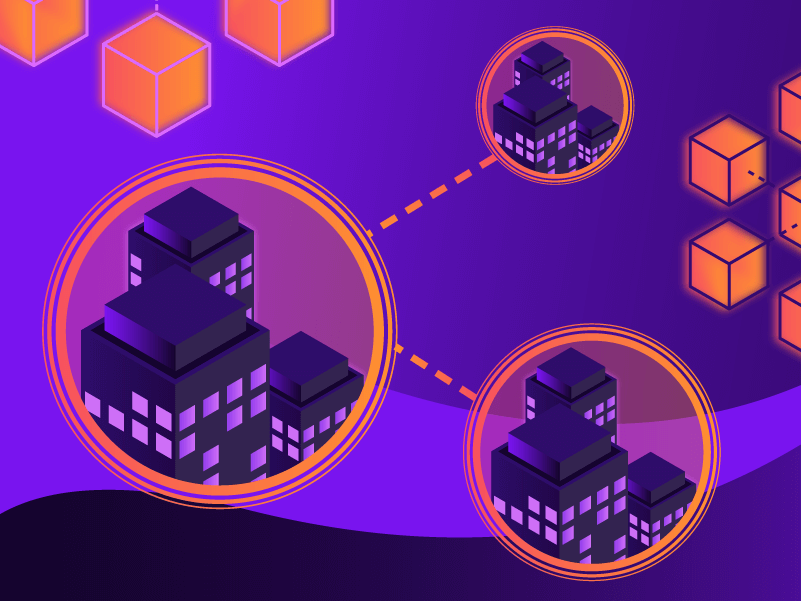
The real estate industry has long been characterized by complex processes, paperwork, and intermediaries. However, how blockchain is revolutionizing real estate transactions is a game changer that brings transparency, efficiency, and security to the forefront. This transformative technology is not just a buzzword; it’s reshaping how properties are bought, sold, and managed. As blockchain continues to gain traction, understanding its implications in real estate becomes crucial for investors, buyers, and sellers alike.
Blockchain is a decentralized digital ledger technology that records transactions across multiple computers in a way that ensures security and transparency. Each transaction is grouped in blocks, which are then linked together to form a chain. This structure makes it nearly impossible to alter any information without consensus from all participants in the network.
Before delving into how blockchain is changing the game, it’s essential to understand the traditional real estate transaction process. Typically, this process involves several steps:
While this process has worked for decades, it is often slow, costly, and prone to errors. This is where blockchain comes in.

One of the most significant benefits of blockchain technology is its ability to provide enhanced transparency. Every transaction on a blockchain is recorded in real-time and is accessible to all permitted participants. This means buyers can verify ownership and property history without relying solely on agents or public records.
By eliminating the need for intermediaries, blockchain reduces the costs associated with real estate transactions. Traditional methods often involve various fees for agents, lawyers, and title companies. With blockchain, buyers and sellers can interact directly, cutting out unnecessary expenses and speeding up the transaction process.
Blockchain technology employs cryptographic security measures, making it extremely difficult for fraudulent activities to occur. Every transaction is verified through multiple nodes before being added to the blockchain. This not only enhances security but also builds trust among all parties involved.
One of the most revolutionary aspects of blockchain in real estate is the use of smart contracts. These are self-executing contracts with terms directly written into code. Once conditions are met, the contract automatically executes, ensuring that all parties fulfill their obligations. This minimizes disputes and further streamlines the transaction process.
Tokenization is the process of converting real estate assets into digital tokens on a blockchain. This allows for fractional ownership, enabling more investors to participate in the real estate market. For instance, instead of purchasing an entire property, investors can buy a fraction represented by tokens, making real estate investment accessible to a broader audience.
Blockchain can revolutionize how property records are maintained. By storing property titles on a blockchain, all property transactions become traceable and immutable. This significantly reduces the risk of title fraud and disputes over ownership, as every change is recorded transparently.
Property management can also benefit from blockchain technology. Landlords can use smart contracts to automate rent collection and maintenance requests. Tenants can report issues, and once resolved, payments can be triggered automatically, ensuring a smooth and efficient management process.

As more stakeholders recognize the benefits of blockchain, its adoption is expected to grow. Industry experts predict that blockchain could become the standard for real estate transactions within the next decade. However, for this to happen, regulatory frameworks need to evolve alongside the technology.
Despite the promising future, several challenges remain. Regulatory compliance, technological integration, and public awareness are crucial factors that will determine the pace of blockchain adoption in real estate. Stakeholders must collaborate to create a cohesive framework that addresses these challenges.
Education plays a pivotal role in the adoption of blockchain technology. Real estate professionals, investors, and consumers must be educated about how blockchain works and its benefits. Workshops, seminars, and online resources are essential to help demystify the technology and encourage its use.
In conclusion, how blockchain is revolutionizing real estate transactions is a pivotal development that holds the potential to transform the industry in profound ways. From enhanced transparency and security to streamlined processes and reduced costs, blockchain offers numerous advantages that can benefit all parties involved in real estate transactions. As the technology matures and more stakeholders embrace it, we can expect to see a more efficient and equitable real estate market. Understanding and adapting to these changes is crucial for anyone looking to thrive in the future of real estate.
Do Follow Estate Magazine on Instagram
Read More:- Dubai’s Prime Homes Surge Strong as Global Wealth Flows In 2025