When it comes to investing in real estate, understanding rental yields is essential for making informed decisions. In the UAE, three prominent cities stand out for property investment: Dubai, Abu Dhabi, and Ras Al Khaimah. Each city offers unique opportunities and challenges, making rental yield comparisons crucial for investors seeking the highest returns. This article delves into the rental yields of these cities, helping you navigate the vibrant property market.
Rental yield is a measure that indicates the potential income generated from a property relative to its value. It’s calculated as the annual rental income divided by the property’s purchase price, expressed as a percentage. Understanding rental yields is vital for investors because it helps determine the profitability of a property.
In a competitive market like the UAE, knowing the rental yield can inform your investment strategy. Higher yields may indicate a good investment opportunity, while lower yields could suggest oversupply or declining demand in specific areas. As we explore the rental yield comparisons among Dubai, Abu Dhabi, and Ras Al Khaimah, you’ll gain valuable insights into which city might offer the best returns for your investment.
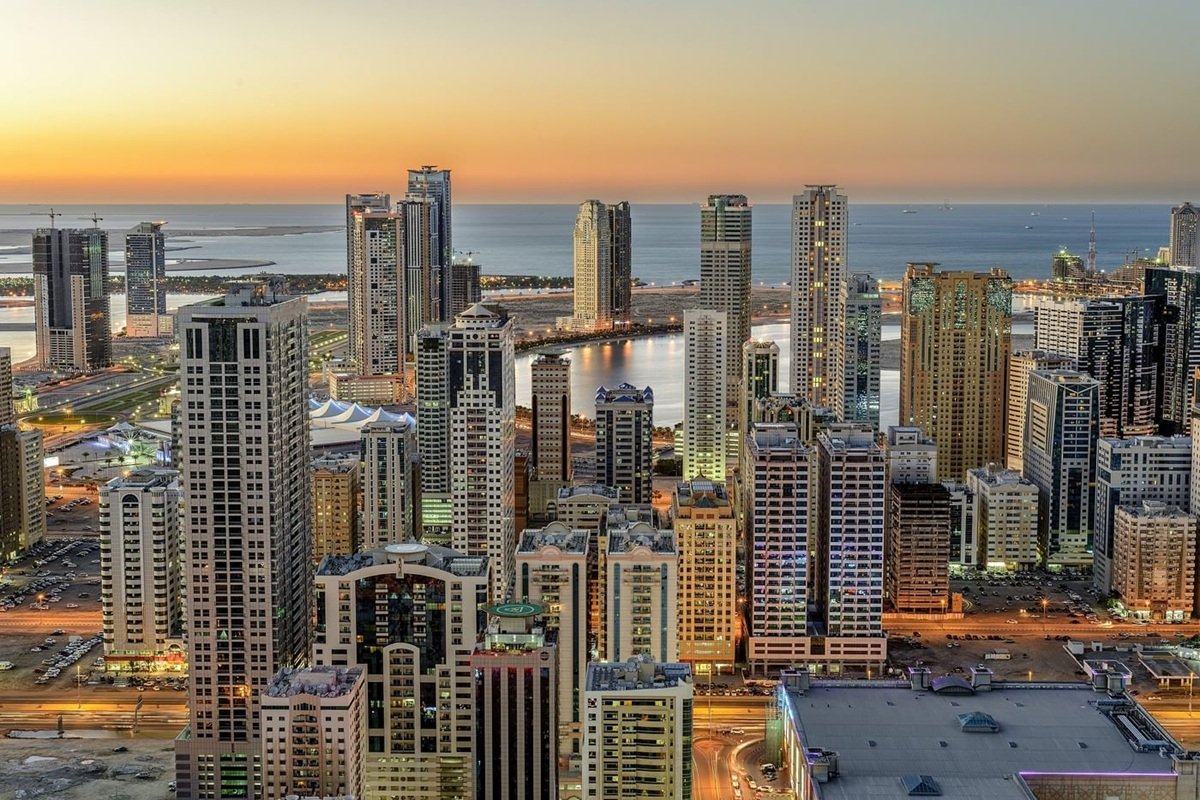
Dubai, known for its iconic skyline and luxurious lifestyle, attracts a diverse range of tenants. The city offers a plethora of investment properties, from high-rise apartments to sprawling villas.
Recent data shows that Dubai boasts rental yields ranging from 5% to 8%, depending on the area and type of property. Areas like Dubai Marina and Downtown Dubai tend to have lower yields due to high property prices, while neighborhoods like Jumeirah Village Circle (JVC) and Dubai Sports City offer more attractive returns.
The city’s ongoing development projects, coupled with an influx of expatriates and tourists, contribute to its strong rental market. Moreover, Dubai’s commitment to becoming a global business hub ensures that demand for rental properties remains robust.
Abu Dhabi, the capital of the UAE, presents a different landscape for property investors. While it may not have the same level of buzz as Dubai, Abu Dhabi offers a stable rental yield environment.
The rental yields in Abu Dhabi typically range from 4% to 6%. Areas such as Al Reem Island and Al Raha Beach are popular among investors, as they provide a good balance of demand and property prices. The relatively lower yields compared to Dubai can be attributed to the capital’s more conservative approach to real estate development and investment.
Despite this, Abu Dhabi’s secure and well-planned infrastructure, along with a strong government backing and a steady influx of professionals, makes it an attractive option for long-term investors looking for stability.
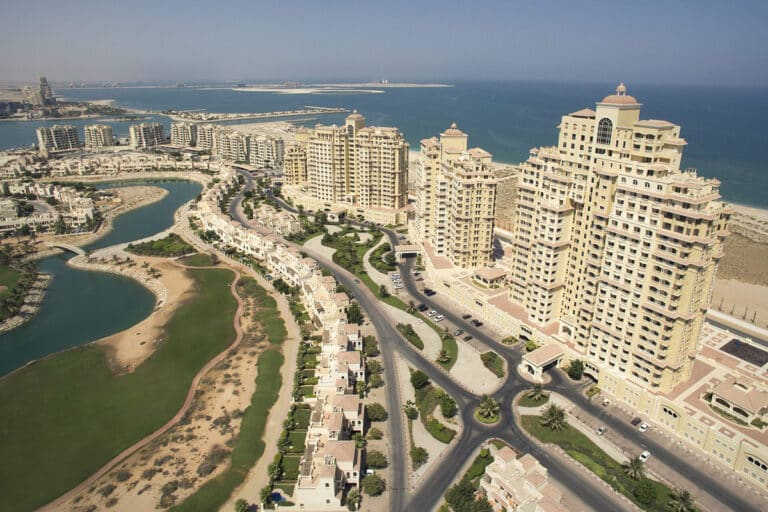
Ras Al Khaimah (RAK) is often overlooked in rental yield comparisons, but it has been gaining traction among property investors. Known for its natural beauty and more affordable property prices, RAK offers attractive rental yields ranging from 6% to 9%.
The city is experiencing significant development, with new tourism and residential projects coming to life. Properties in areas like Al Hamra and Mina Al Arab are seeing increased demand, as both locals and expatriates seek more affordable living options.
RAK’s appeal lies in its relaxed lifestyle and proximity to Dubai, making it an ideal choice for those who want to escape the hustle and bustle of the larger cities. As the emirate continues to develop, its rental market is poised for growth, presenting a unique opportunity for investors.
Understanding rental yield comparisons goes beyond just the numbers. Several factors influence rental yields in Dubai, Abu Dhabi, and Ras Al Khaimah:
Economic Stability: The overall economic health of the emirate plays a crucial role. A strong economy typically results in higher job creation, leading to increased demand for rental properties.
Regulatory Environment: Each emirate has its own set of laws and regulations regarding property ownership and rental agreements. Investors must be aware of these to navigate the market effectively.
Supply and Demand: The balance between the number of available properties and the demand for rentals affects rental yields. Areas with high demand and limited supply tend to have better yields.
Infrastructure Development: Ongoing and planned infrastructure projects can enhance property values and rental demand, impacting overall yields positively.

When comparing rental yields across Dubai, Abu Dhabi, and Ras Al Khaimah, it’s essential to consider your investment goals and risk tolerance. Dubai might offer higher yields, but it also comes with higher property prices and competition. Abu Dhabi provides stability, while Ras Al Khaimah presents growth potential with lower entry costs.
Conducting thorough research and understanding the local market dynamics can significantly enhance your investment strategy. Engaging with local real estate professionals can also provide insights that are crucial for making informed decisions.
In conclusion, rental yield comparisons among Dubai, Abu Dhabi, and Ras Al Khaimah highlight the unique opportunities each city presents. Dubai stands out as a powerhouse with its high potential yields, while Abu Dhabi offers stability and security. Ras Al Khaimah, with its emerging market and affordability, appeals to those seeking growth potential.
Ultimately, the best choice depends on your investment strategy, goals, and preferences. Exploring these cities with a clear understanding of rental yields will empower you to make a decision that aligns with your long-term vision.
Do Follow Estate Magazine on Instagram
Read More:- Foreign Ownership Rules in UAE Emirates Powerful Insights You Must Know 2026