Understanding the rental yields across the 7 Emirates is crucial for both seasoned investors and newcomers to the real estate market in the UAE. Each emirate offers unique opportunities and challenges, making it essential to analyze how rental yields compare. This article delves into the rental yield landscape in Dubai, Abu Dhabi, Sharjah, Ajman, Fujairah, Ras Al Khaimah, and Umm Al-Quwain, providing valuable insights to help you make informed investment decisions.
When considering real estate investments, rental yields are often the first metric that investors look at. They indicate the return on investment you can expect from a rental property. In the UAE, where real estate is a booming sector, understanding how rental yields compare across the 7 Emirates can uncover lucrative opportunities.
Each emirate has its own economic circumstances, demographic trends, and regulatory frameworks that influence rental yields. These factors contribute to varying levels of demand for rental properties, making it crucial to analyze each emirate individually.

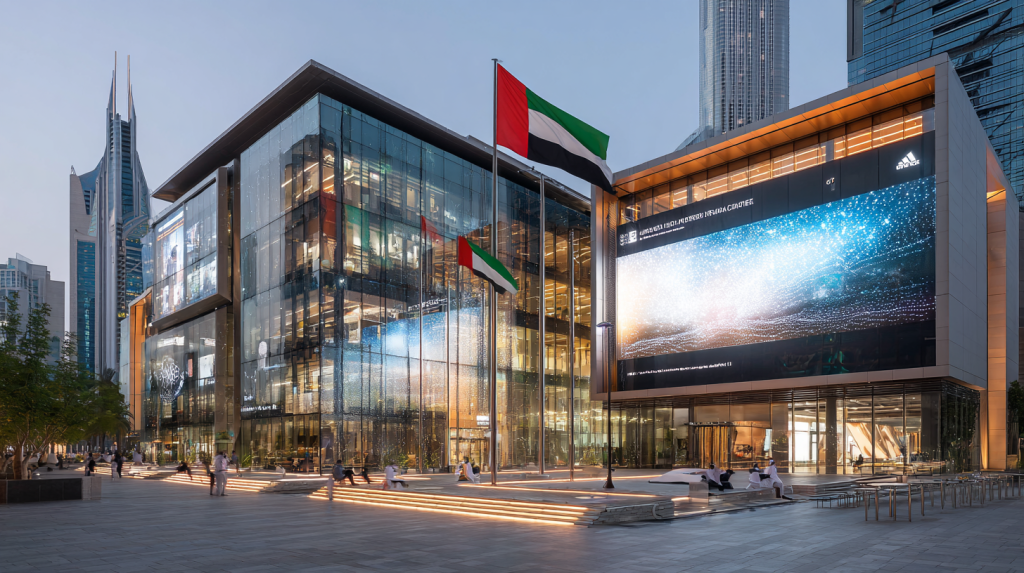
Dubai has long been recognized as the heart of the UAE’s real estate market. With its luxurious lifestyle, diverse population, and thriving economy, the emirate boasts some of the highest rental yields in the country.
In popular districts like Dubai Marina and Downtown Dubai, rental yields can range between 5% to 7%. These areas attract both expatriates and tourists, ensuring a steady demand for rental properties. Additionally, the introduction of various government initiatives aimed at boosting tourism and business further enhances the rental potential.
However, competition is fierce in Dubai, and investors need to conduct thorough research to identify the best-performing areas.
Abu Dhabi, the capital of the UAE, offers a different rental yield landscape compared to Dubai. Known for its stability and strong government backing, Abu Dhabi might not match Dubai’s high yields, but it compensates with lower volatility.
Rental yields in Abu Dhabi typically hover around 4% to 6%. Areas like Al Reem Island and Yas Island are popular among renters due to their modern amenities and proximity to key attractions. The emirate’s focus on sustainable living and smart city initiatives also adds to its appeal, making it a reliable choice for long-term investments.
Sharjah presents an attractive alternative for investors looking for more affordable options. The emirate is gaining popularity among families and expatriates who prefer lower rental prices without compromising on quality of life.
Rental yields in Sharjah are quite competitive, ranging from 5% to 8%. Areas like Al Nahda and Al Majaz are particularly sought after, offering a blend of affordable living and accessibility to Dubai. The emirate’s emphasis on cultural and educational initiatives further enhances its attractiveness as a rental market.
Ajman has emerged as a hidden gem in the UAE real estate market. With ongoing development projects and a growing population, Ajman presents opportunities for high rental yields.
Investors can expect rental yields in Ajman to reach between 6% to 9%. The emirate’s affordable housing options and proximity to Dubai make it appealing for both tenants and landlords. As infrastructure improves, Ajman’s rental market is poised for significant growth.
Fujairah offers a unique blend of natural beauty and investment potential. Nestled between the Hajar Mountains and the Arabian Sea, it’s the only emirate located on the eastern coast.
While rental yields in Fujairah are generally lower than in Dubai and Abu Dhabi—ranging from 3% to 5%—the emirate’s serene environment and growing tourism sector present opportunities for investors. Areas near the coast, such as Al Aqah, are increasingly popular among those seeking vacation rentals, which can lead to higher seasonal yields.
Ras Al Khaimah (RAK) is gaining traction as a real estate investment destination. Known for its natural landscapes and adventure tourism, RAK is attracting both local and international renters.
Rental yields in RAK can reach between 6% to 7%. The emirate’s focus on tourism and hospitality is driving demand for rental properties, particularly in areas like Al Hamra Village and Mina Al Arab. As infrastructure projects continue to develop, RAK is likely to see an uptick in rental yields.

Umm Al-Quwain is the least populated and least developed emirate, but this presents unique opportunities for investors willing to explore its potential. With lower property prices, rental yields can be quite attractive, ranging from 5% to 8%.
The emirate’s tranquil lifestyle and focus on eco-tourism are starting to draw interest from both renters and investors. As development plans materialize, particularly around the waterfront, Umm Al-Quwain could become a hotspot for profitable rental investments.
When it comes to understanding how rental yields compare across the 7 Emirates, it’s clear that each emirate has something unique to offer. From the high-yielding opportunities in Dubai and Sharjah to the emerging markets of Ajman and Umm Al-Quwain, investors must consider their own priorities and risk tolerance.
Whether you’re seeking stability, growth potential, or affordability, the UAE’s diverse rental market provides options for every investor. By analyzing the specific characteristics of each emirate, you can make informed decisions that align with your investment goals.
Do Follow Estate Magazine on Instagram
Read More:- UAE Property Price Growth: 2020–2025 vs 2026 Outlook Explain