
In today’s interconnected world, the dynamics of residential property trends are shifting dramatically. One of the key factors influencing these trends is digital safety concerns, which are becoming increasingly important for families considering relocations to global cities. As technology continues to advance, so do the risks associated with it. Families are now more aware than ever of how digital safety impacts their living environment, prompting them to make informed decisions about where to settle down.
Understanding how these concerns shape residential property trends provides valuable insights not only for potential buyers but also for real estate professionals and city planners. This article explores the intersection of digital safety and family relocations, highlighting the key factors driving these trends.
As families look for new homes in bustling global cities, digital safety has emerged as a significant consideration. Parents are increasingly aware of the potential risks associated with technology, from cyberbullying to data breaches, and are seeking environments that prioritize digital security. This shift has led to the following trends in residential properties:

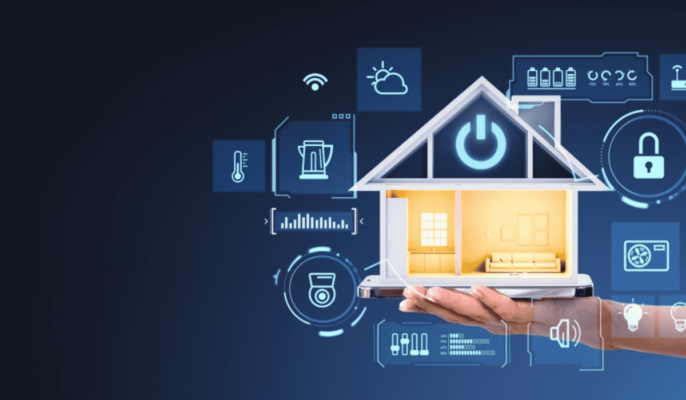
Many modern residential developments are incorporating advanced security features, such as smart home technology and robust cybersecurity measures. Families are looking for homes equipped with systems that not only protect their physical safety but also safeguard their digital lives. This demand has prompted developers to invest in innovative technologies that enhance security, creating properties that appeal to tech-savvy buyers.
Beyond individual properties, families are also concerned about the overall safety of the neighborhoods they choose. Communities that promote digital safety through active neighborhood watch programs, community apps for communication, and local crime updates are becoming more desirable. This sense of community engagement fosters a feeling of security, making families more inclined to relocate to these areas.
The rise of remote work and the flexibility it offers has led many families to reconsider their living arrangements. As they search for new homes, digital safety is a top priority. Families are gravitating towards cities that not only provide a high quality of life but also prioritize digital safety. Here are some key trends observed in urban migration:
Increased Demand for Tech-Friendly Cities
Cities that embrace technology and prioritize digital safety are experiencing a surge in demand. Families are seeking urban areas with advanced infrastructure, such as high-speed internet, smart city initiatives, and reliable tech support. These cities are not only attractive for their amenities but also for the peace of mind they offer regarding digital safety.
Relocation to Suburban Areas with Urban Amenities
Interestingly, families are also moving away from densely populated urban centers to suburban areas that provide a blend of urban amenities and a safer environment. Suburbs with strong community ties, lower crime rates, and digital safety initiatives are becoming increasingly popular. The desire for more space, coupled with concerns about digital safety, is reshaping residential property trends in favor of these suburban locales.
Real estate professionals are uniquely positioned to help families navigate the complexities of residential property trends influenced by digital safety concerns. They play a crucial role in:
Educating Clients on Digital Safety Features
Realtors must stay informed about the latest technologies and features that enhance digital safety in homes. By educating clients on these aspects, they can better match families with properties that meet their needs and preferences.
Advising on Neighborhood Safety Ratings
Real estate professionals can provide valuable insights into neighborhood safety ratings and community engagement initiatives. By sharing this information, they empower families to make informed decisions about where to relocate based on digital safety considerations.
As digital safety concerns continue to evolve, so too will the residential property trends that shape family relocations. We can expect the following potential developments:
Increased Collaboration Between Tech Companies and Developers
The collaboration between technology companies and real estate developers is likely to intensify, leading to the creation of smarter, safer living environments. Innovations in home security, cybersecurity, and community engagement will become standard features in new residential developments.
Growing Awareness and Education on Digital Safety
As families become more educated about digital safety, they will demand more from their living environments. This increased awareness will push real estate markets to adapt and meet these needs, ensuring that digital safety remains a priority in residential property trends.
Digital safety concerns are undeniably reshaping the landscape of residential property trends. Families are now more inclined to relocate to global cities that prioritize not only their physical safety but also their digital well-being. As these trends continue to evolve, real estate professionals and city planners will need to adapt to meet the changing needs of families. By staying informed and embracing innovative solutions, they can help create safer, more welcoming environments for families looking to call these cities home.
In this ever-changing world, understanding the influence of digital safety on residential property trends is essential for anyone involved in the housing market. As families prioritize their safety and security, the future of residential living will undoubtedly be shaped by these critical concerns.
Do Follow Estate Magazine on Instagram
Read More:- Rise of Smart Homes & Proptech in New Developments Explained 2026