The global retail landscape has undergone a remarkable transformation, especially in destinations frequented by tourists. As international travel rebounds, shopping has evolved beyond a leisure activity—it has become an integral part of the tourism experience. The retail leasing market is now witnessing an extraordinary shift, driven by the demands of international travelers who seek convenience, experience, and variety all in one place.
Tourism and retail are now deeply intertwined. For property developers, leasing retail spaces in tourist-centric locations is not just a business move—it’s a strategic investment. Tourist footfall directly fuels retail sales, and in return, dynamic retail environments enhance the overall appeal of a destination.
Tourists are not just shoppers; they are cultural explorers. Their purchasing behaviors differ from locals—they spend more impulsively, seek exclusive brands, and value experiential shopping. This shift in consumer psychology has encouraged developers to curate spaces that cater specifically to travelers.
Retailers are now targeting high-traffic zones such as airports, beachfront promenades, luxury resorts, and entertainment complexes. These areas ensure maximum visibility and access to an audience that is both willing and able to spend. Moreover, the global trend of “destination retailing” has emerged—where shopping itself becomes part of the travel itinerary.
For example, malls in major destinations like Dubai, Singapore, and Paris have become tourism landmarks. These aren’t just retail centers; they are experiences filled with entertainment, gastronomy, and immersive brand storytelling.
Tourism contributes significantly to the GDP of many countries, and retail leasing tied to tourism amplifies that effect. According to global real estate trends, the retail sector in popular tourist destinations has seen a surge in lease renewals, higher occupancy rates, and competitive rental pricing.
Property owners benefit from the cyclical nature of tourism—while locals provide consistent sales, tourists bring in high-margin transactions. Luxury and premium brands, in particular, thrive in such environments, as international travelers are often drawn to tax-free shopping zones and exclusive brand experiences unavailable in their home countries.
Additionally, mixed-use developments combining retail, hospitality, and entertainment have become a preferred model for investors. These integrated spaces ensure consistent revenue streams, even during seasonal dips in tourism.
The expansion of the retail leasing market for tourists is influenced by several factors that make it one of the most promising investment arenas globally:
These growth catalysts not only enhance the appeal of tourist destinations but also create a robust ecosystem for real estate investors and retail operators.
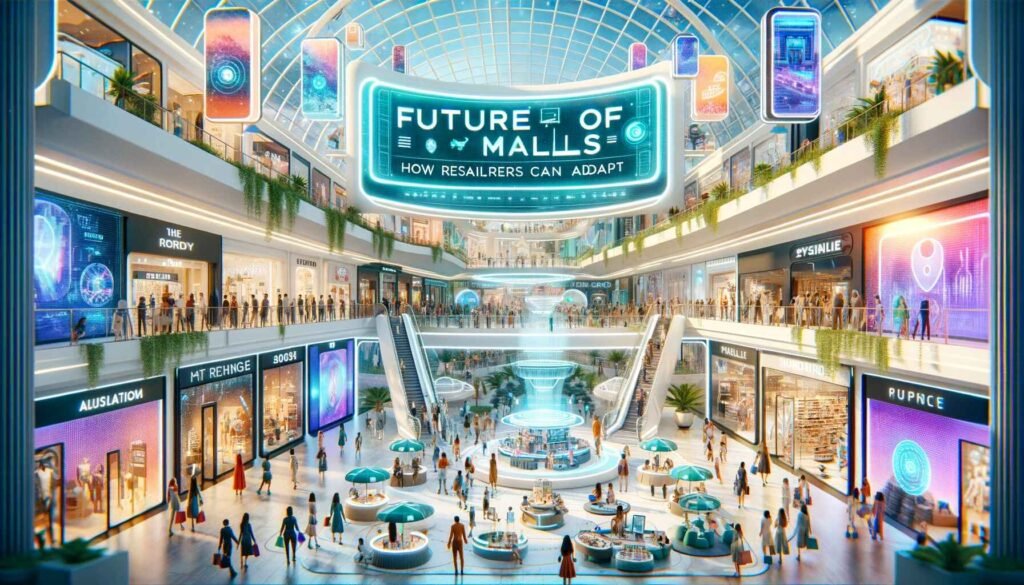
Several cities have mastered the art of blending tourism with retail leasing. These markets provide valuable insights into global best practices and evolving consumer preferences.
1. Dubai, UAE:
Dubai has transformed into a global shopping capital. From The Dubai Mall to Mall of the Emirates, retail spaces are leased at premium rates, with tourists contributing over 70% of retail sales in luxury segments. The government’s focus on creating immersive experiences like Dubai Shopping Festival has cemented its status as a retail haven.
2. Paris, France:
Known for luxury fashion and timeless brands, Paris attracts millions of international tourists who spend heavily on high-end goods. Iconic districts such as Champs-Élysées and Rue Saint-Honoré feature flagship stores with long-term leases driven by brand prestige.
3. Singapore:
With its seamless blend of culture and commerce, Singapore’s Orchard Road remains a prime location for global retailers. High pedestrian traffic and government support for tourism-driven retail have made it a stable and profitable leasing environment.
4. Bangkok, Thailand:
Thailand’s growing middle-class tourism and thriving nightlife make it a hotspot for retail leasing. Developers are focusing on lifestyle malls that combine shopping, wellness, and entertainment.
5. London, UK:
As a magnet for international tourists, London’s Oxford Street and Regent Street continue to dominate retail leasing. Short-term leases and pop-up retail models cater to fluctuating tourist patterns.
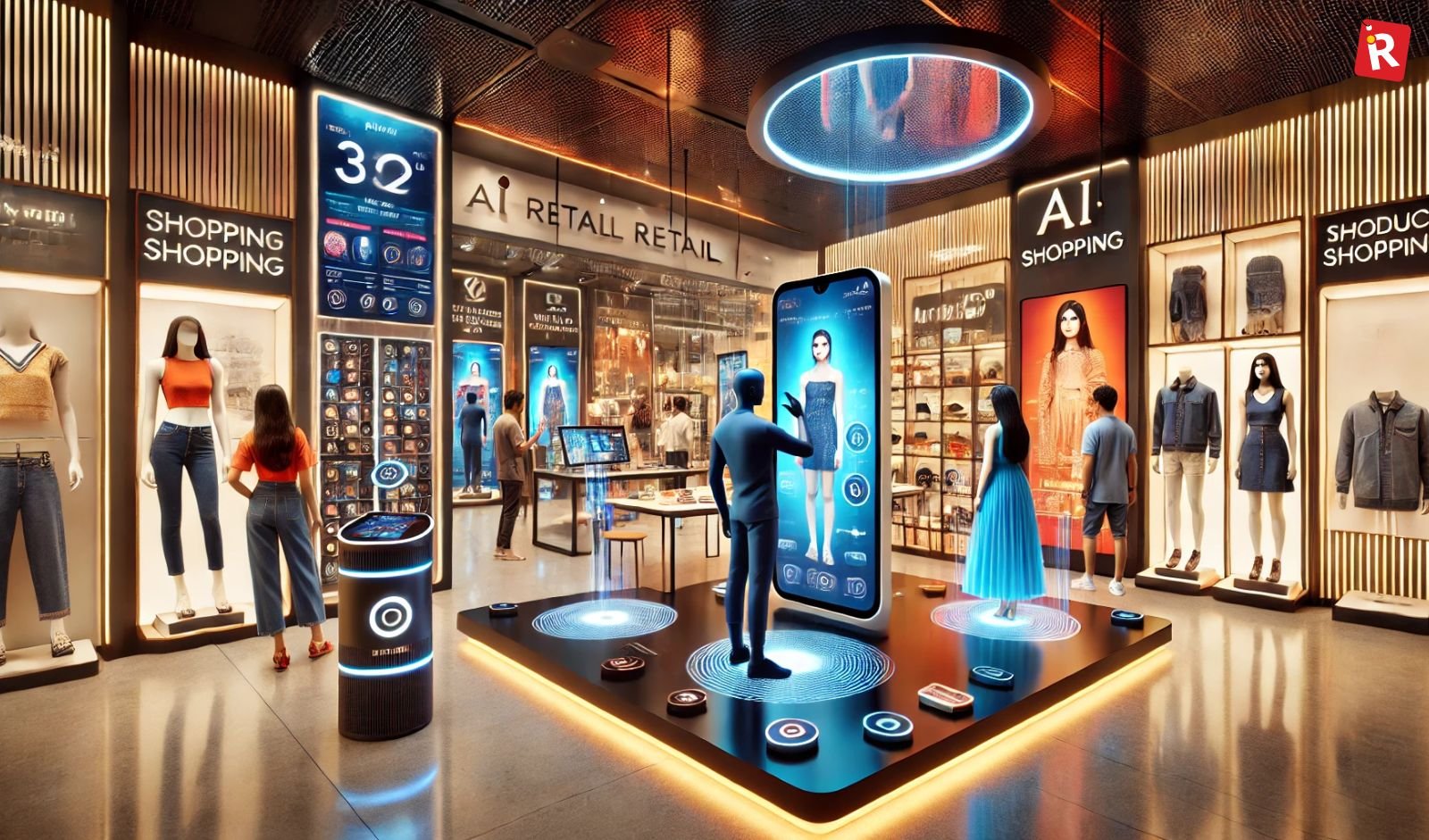
Tourists today are not satisfied with traditional retail outlets. They seek environments that reflect the culture, story, and lifestyle of the destination. This has given rise to experience-based retailing—a concept that merges entertainment, architecture, and interactive technology.
Retailers now invest in storytelling through store design, AR experiences, and in-store events. Leasing spaces that can accommodate these creative setups has become essential. Properties offering high ceilings, open layouts, and outdoor integration are in greater demand.
This transformation also extends to food and beverage retailers. Cafés and restaurants within tourist hubs now lease prime spots because dining has become a key component of the travel experience.
The modern tourist is eco-conscious and socially aware. This shift has influenced retail leasing strategies worldwide. Developers and brands are focusing on sustainability, ethical sourcing, and local craftsmanship.
Green-certified buildings, energy-efficient lighting, and recycled materials are now becoming leasing standards. Retailers that promote local artisans or showcase culturally inspired collections attract a more diverse audience. This trend not only enhances a destination’s cultural identity but also supports community-based tourism.
For investors and developers, the retail leasing market tied to tourism presents diverse opportunities. Short-term leases during peak tourist seasons can yield higher rents, while long-term leases in established destinations offer stability.
Key investment areas include:
Emerging destinations like Bali, Istanbul, and Doha are also seeing strong retail leasing momentum, supported by tourism growth and infrastructural development.
Despite its growth potential, this market faces a few challenges that stakeholders must navigate carefully.
Forward-thinking landlords now collaborate closely with tenants to design flexible leasing models, such as revenue-sharing agreements or hybrid retail setups, to mitigate these risks.
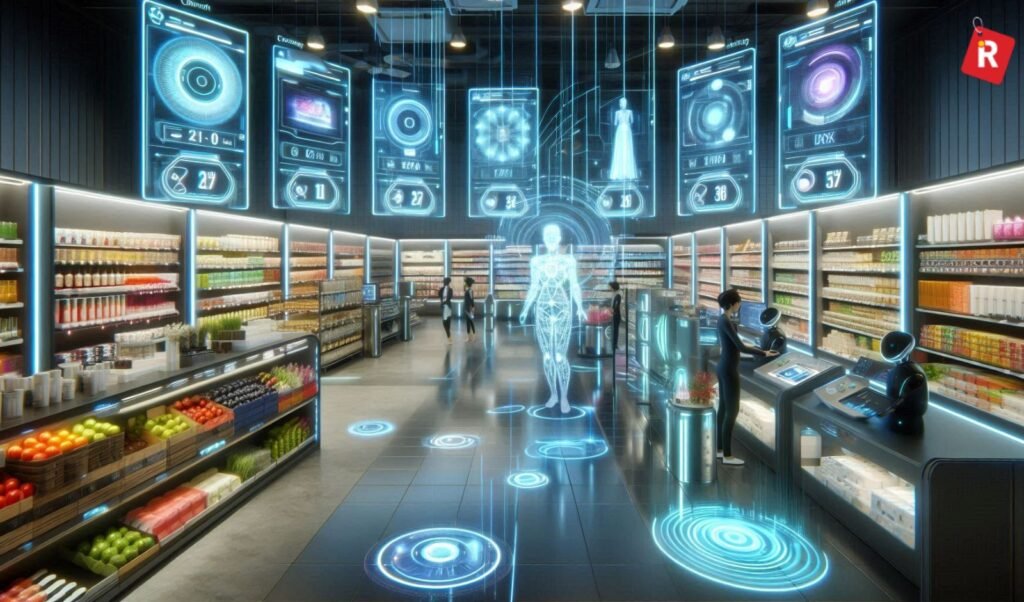
The next era of retail leasing will be defined by personalization, technology, and sustainability. Smart retail spaces with digital analytics will help brands understand tourist behavior better. AI-driven leasing platforms will also simplify tenant selection, ensuring optimal brand alignment.
Moreover, hybrid spaces that blend retail, leisure, and co-working environments are expected to dominate the future. Retail will no longer be just about transactions—it will become a medium of storytelling, cultural connection, and digital engagement.
In the coming years, cities that successfully integrate tourism and retail leasing will witness exponential growth in both real estate value and visitor satisfaction.
The retail leasing market for tourists is evolving faster than ever, transforming shopping into an essential travel experience. This synergy between tourism and retail creates a win-win scenario—enhancing destination appeal, enriching traveler satisfaction, and delivering consistent returns for investors.
As global travel continues to flourish, retail leasing in tourist destinations will remain a powerful engine for economic development, shaping the way we shop, explore, and experience the world.
Do Follow Estate Magazine on Instagram