When it comes to real estate investment, few opportunities are as dynamic and profitable as retail spaces near tourist attractions. From bustling city centers and beachfront promenades to historic landmarks and entertainment hubs, these high-traffic zones have long proven to be goldmines for investors and entrepreneurs alike. But what exactly makes them so lucrative? And how can one maximize returns in such competitive markets?
This guide unpacks everything you need to know about retail investments near tourist destinations—why they work, what to consider, and how to tap into their full ROI potential.
The golden rule of real estate—location, location, location—is especially true for retail businesses near tourist spots. Tourists represent a constant flow of potential buyers, often ready to spend more than locals. Whether it’s souvenirs, luxury items, local delicacies, or everyday essentials, retail stores near attractions enjoy steady demand.
Beyond foot traffic, tourists also bring a sense of urgency to purchases. Since they’re often in town for a limited time, they’re more likely to make quick decisions. This spontaneous buying behavior significantly boosts conversion rates for nearby retailers.
In addition, these locations benefit from the ripple effect of other thriving businesses. A popular café, a landmark, or a cultural site can indirectly attract customers to nearby stores. This natural clustering of economic activity enhances visibility and keeps retail ecosystems vibrant year-round.
Retail spaces near tourist hotspots offer investors several key advantages:
These combined benefits make such retail investments not only profitable but also sustainable in the long run.
Despite the potential rewards, investing in retail near tourist areas requires careful planning. Here are the crucial factors to evaluate:
Foot Traffic and Visitor Demographics
Different attractions attract different types of tourists. Understanding visitor motivation and spending capacity is essential for choosing the right retail concept.
Accessibility and Visibility
Prime visibility directly influences sales. Corners, entrances, and main pedestrian pathways provide stronger advantages.
Lease Terms and Zoning Regulations
Tourist zones may have strict rules regarding signage, operating hours, and rental escalation. Proper due diligence is vital.
Seasonal Trends
Tourism often follows seasonal cycles. Ensure your business can withstand off-peak periods.
Competition Analysis
Identify gaps in the market. Offering something unique increases your profit potential.
ROI for retail near tourist attractions is driven by three factors:
Rental Yield
Properties in these areas often generate yields of 6%–10%, significantly higher than traditional commercial spaces.
Sales Per Square Foot
Retailers enjoy higher sales volumes because of consistent traffic and impulsive purchasing.
Capital Appreciation
Tourist zones experience rapid development and increasing demand, driving long-term property value growth.
Across the world, retail spaces near tourist destinations consistently deliver higher returns:
Dubai’s major landmarks attract millions, boosting retail demand.
London’s Oxford Street and Covent Garden thrive due to international footfall.
Bangkok’s historic areas attract daily crowds that sustain local markets.
Bali’s beachfront strips support artisanal stores and boutique shops.
These destinations illustrate how tourism fuels continuous retail profitability.
The retail landscape is evolving with new trends that further enhance returns:
Experiential Retail
Tourists want experiences, not just purchases.
Hybrid Retail Spaces
Combining cafés, galleries, and stores keeps customers engaged longer.
Sustainable and Local Brands
Ethical and culturally authentic products appeal to conscious travelers.
Digital Integration
Smart retail technology improves customer interaction.
Short-Term Pop-Up Stores
Ideal for brands testing products during peak seasons.
Even profitable investments come with risks:
High entry costs
Intense competition
Regulatory challenges
Economic dependency on tourism
Higher maintenance requirements
Being aware of these hurdles helps you prepare stronger strategies.
To make the most of retail spaces near tourist attractions, consider the following strategies:
Choose Experience-Driven Retail Concepts
Blend local culture with your brand for a memorable experience.
Build Partnerships
Collaborate with tour operators, hotels, and event organizers.
Offer High-Margin Products
This offsets the higher rental and operational costs.
Improve Storefront Visibility
Attractive window displays significantly increase walk-ins.
Leverage Data Analytics
Use insights to optimize stock and marketing.
Adapt to Seasonal Patterns
Offer off-season discounts or alternative product lines.
Strengthen Online Presence
Many tourists research destinations beforehand—be discoverable.
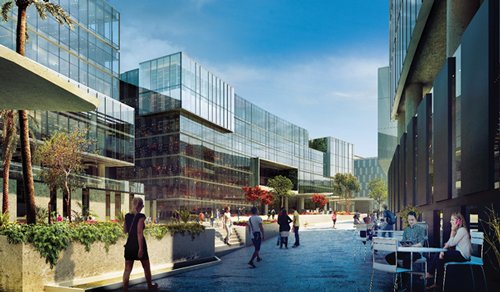
Tourism continues to expand globally, pushing cities to redesign spaces that merge culture, entertainment, and shopping. Pedestrianized streets, retail boulevards, and mixed-use developments are becoming the new standard. These integrated spaces blur the line between sightseeing and shopping, offering limitless potential for retail businesses.
With global tourism set to exceed past records, demand for retail near tourist attractions is projected to surge. Investors who position themselves early will capture the highest returns.

Retail spaces near tourist attractions offer unmatched visibility, consistent customer flow, and powerful long-term value. From souvenir shops to luxury boutiques, businesses that choose strategic tourist locations enjoy amplified brand exposure and strong profitability.
The key lies in selecting the right location, understanding tourist behavior, and leveraging modern retail strategies. With smart execution, these investments can become high-performing assets that deliver both immediate revenue and long-term appreciation.
Do Follow Estate Magazine on Instagram
Co-Working Spaces With Tech-Enabled Facilities Are Redefining Modern Work