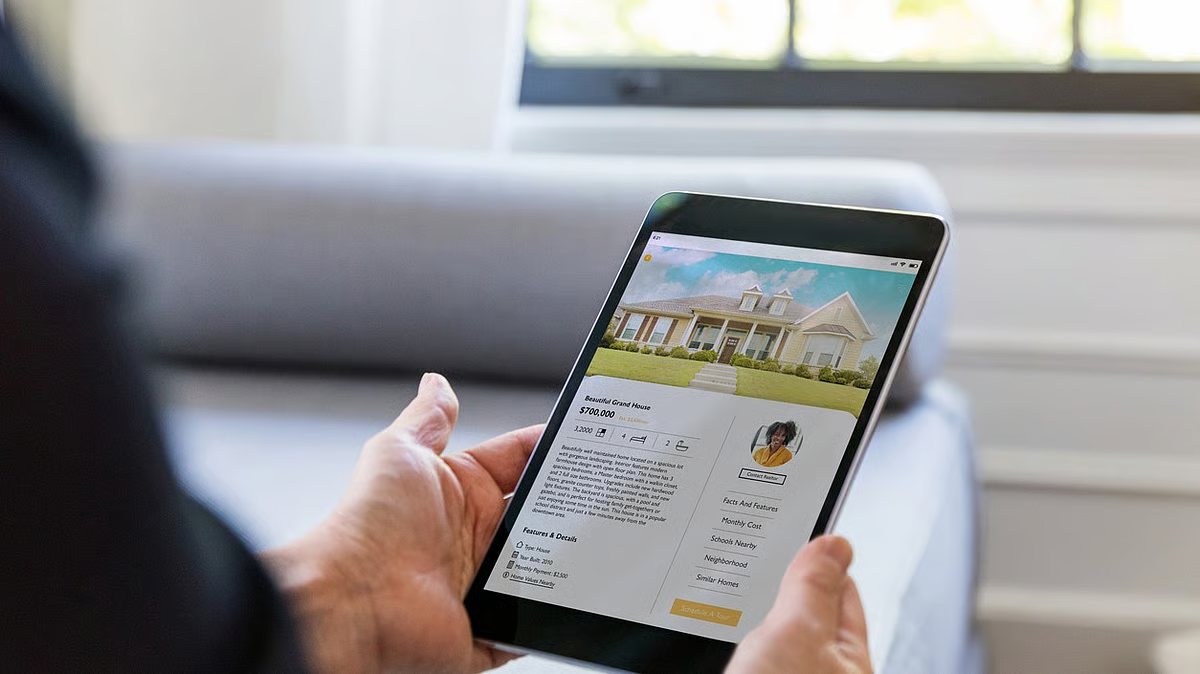
The landscape of real estate is evolving at an unprecedented pace, largely due to the rise of smart homes and PropTech in new developments. As technology continues to advance, the integration of smart systems is reshaping how we live, interact, and secure our homes. The increasing demand for enhanced convenience, security, and energy efficiency has made smart homes a top choice for families relocating to urban centers around the globe.
In this exploration, we will delve into how smart homes and PropTech are transforming new developments, influencing family relocations, and addressing digital safety concerns in modern living.
Smart homes are designed to incorporate technology that enhances the user experience through automation and connectivity. This includes everything from smart thermostats and security systems to voice-activated assistants and energy-efficient appliances.
The convenience of managing home systems remotely has become a significant selling point for families considering relocation. Imagine being able to adjust your home’s temperature, monitor security cameras, or receive alerts about unusual activities—all from your smartphone. These advancements not only cater to comfort but also appeal to growing safety concerns among families, particularly in urban environments.
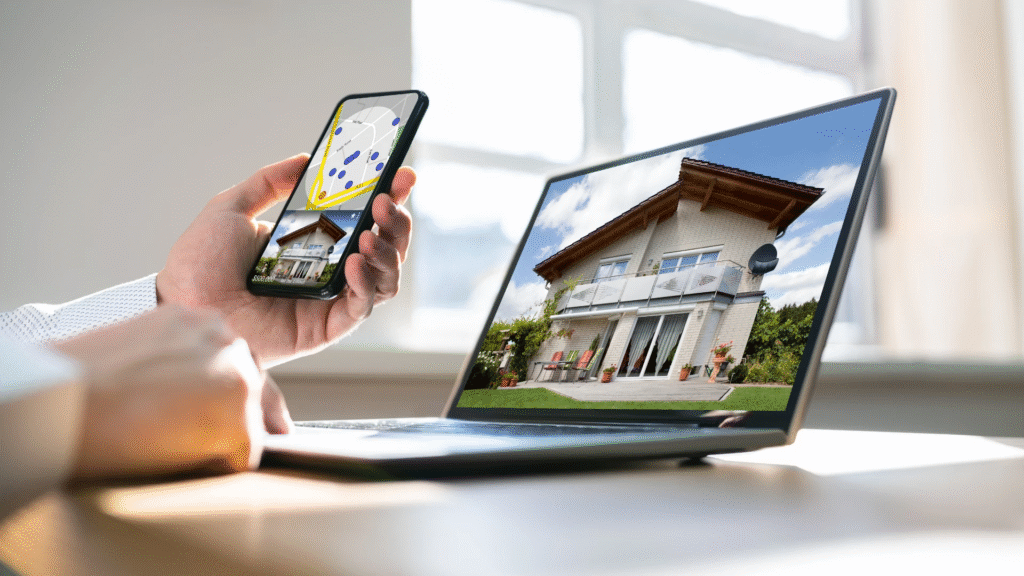
The rise of PropTech—property technology—has revolutionized the real estate sector, providing innovative solutions that streamline processes and enhance the overall buying and renting experience. Companies are leveraging technology to create platforms that simplify transactions, offer virtual tours, and provide detailed market insights.
This technological shift is particularly impactful in new developments, where builders are increasingly incorporating smart technologies from the ground up. By doing so, they are not only meeting the demands of modern buyers but also setting a precedent for future residential projects.
One of the most compelling reasons families are drawn to smart homes is the emphasis on security. Modern developments are equipped with advanced security features, such as smart locks, video doorbells, and integrated alarm systems that can be controlled remotely.
Families relocating to urban areas often prioritize safety, and these smart technologies provide peace of mind. Enhanced security measures allow parents to monitor their homes and loved ones, ensuring a safer environment, which is particularly crucial in cities where crime rates may be a concern.
Another significant advantage of smart homes in new developments is energy efficiency. Smart systems can optimize energy usage, reducing utility bills while also benefiting the environment.
For instance, smart thermostats learn the homeowner’s habits and adjust heating and cooling patterns accordingly, leading to substantial energy savings. Furthermore, smart lighting systems can be programmed to turn off when rooms are unoccupied, further enhancing energy conservation.
As families become more environmentally conscious, the allure of energy-efficient homes continues to grow, making smart homes a desirable option in new developments.
Smart home technology is not just about individual convenience; it also fosters a sense of community among residents. Many new developments are designed with community-centric features that promote interaction and collaboration among neighbors.
These may include shared spaces equipped with smart technology, such as app-controlled amenities or community gardens monitored for optimal growth conditions. As families relocate to urban centers, the sense of belonging and community becomes increasingly important, enhancing the appeal of smart home developments.
Looking ahead, the integration of Artificial Intelligence (AI) and the Internet of Things (IoT) will further propel the rise of smart homes in new developments. These technologies will enable homes to become even more intuitive, learning from residents’ behaviors and preferences to create personalized living experiences.
As AI continues to advance, we can expect smart homes to offer predictive maintenance, energy management, and real-time notifications about home systems. The ability to foresee issues before they arise adds an extra layer of convenience and security for families, making smart homes an increasingly attractive option.

In an age where digital safety is paramount, the rise of smart homes and PropTech also raises concerns about privacy and data security. Families must be informed about the potential risks associated with smart technology, including hacking and unauthorized access.
Developers and technology providers are responding by implementing robust security measures, such as end-to-end encryption and regular software updates. Educating families about best practices for securing their smart devices is essential to ensuring a safe living environment.
The rise of smart homes and PropTech in new developments represents a significant shift in how families approach living spaces. Offering enhanced convenience, security, and energy efficiency, smart homes are becoming a staple in urban living.
As more families relocate to global cities, the demand for these technologies will continue to grow, shaping the future of real estate. Embracing smart living solutions not only addresses modern needs but also enriches the quality of life for residents, making smart homes an appealing choice for those seeking to blend comfort with innovation.
Do Follow Estate Magazine on Instagram
Read More:- Mixed-Use Developments Revolutionize Urban Spaces with Exciting Growth Trends 2026