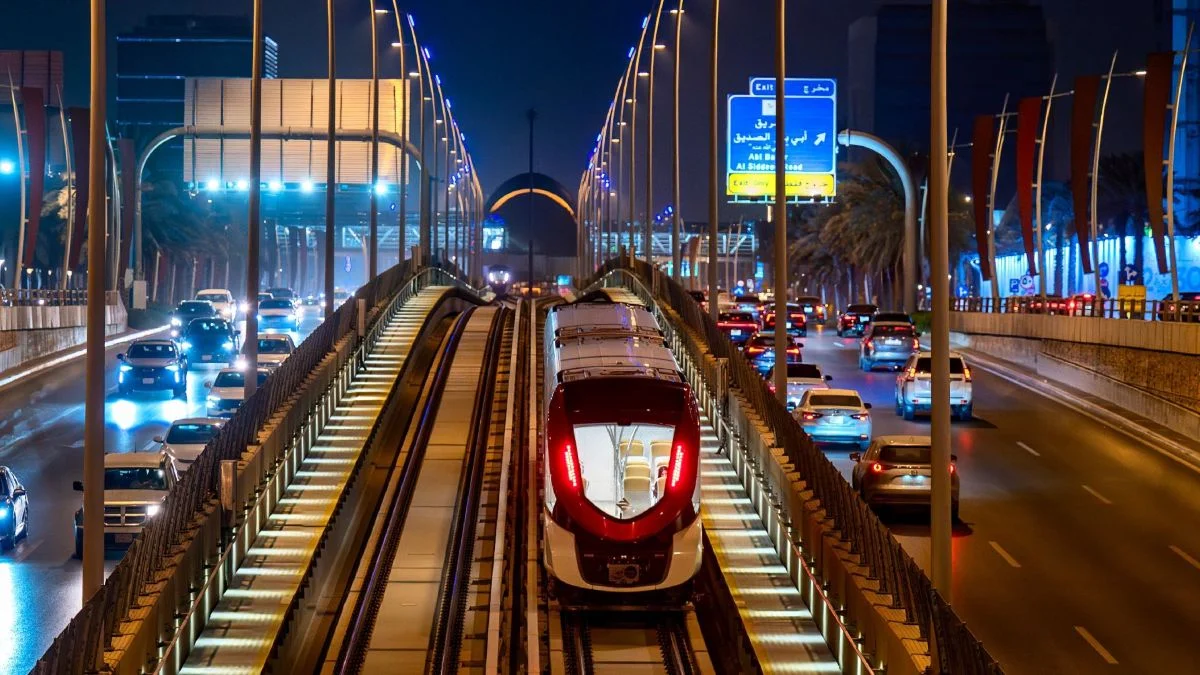
Saudi Arabia is once again signaling its determination to reshape urban living as the Royal Commission for Riyadh City (RCRC) awards a major contract for the expansion of the Riyadh Metro’s Red Line. This decision is more than an infrastructure upgrade; it represents a long-term commitment to smarter mobility, sustainable development, and improved quality of life for millions of residents in the capital.
As Riyadh continues its rapid growth, the Red Line expansion emerges as a timely response to rising population density, increasing traffic pressure, and the city’s broader ambition to align with Vision 2030. For everyday commuters, this move promises smoother journeys and reclaimed time. For businesses and investors, it reinforces confidence in Saudi Arabia’s future-ready urban planning.
The Red Line is one of the most vital corridors within the Riyadh Metro system. Stretching across key districts, it connects residential neighborhoods with commercial hubs, government centers, and cultural destinations. Since its inception, the line has been designed not just to move people, but to redefine how Riyadh functions as a modern metropolis.
With the newly awarded expansion contract, the Red Line is set to extend its reach further, ensuring seamless connectivity to emerging districts and high-growth zones. This expansion reflects a deep understanding of how cities evolve and how transport must grow in tandem with people’s needs.
What sets the Red Line apart is its human-centric design. Stations are planned with accessibility, comfort, and safety in mind. Clear wayfinding, climate-controlled environments, and integrated digital systems aim to make commuting less stressful and more intuitive. The expansion will build on these principles, ensuring new sections feel just as welcoming and efficient.
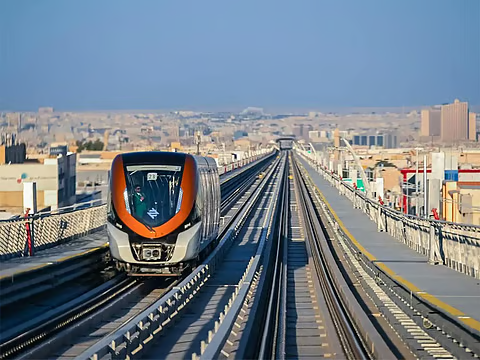
Riyadh is one of the fastest-growing cities in the region. New residential communities, business districts, and lifestyle destinations are emerging at a remarkable pace. Without strong public transport solutions, this growth could strain roads and reduce overall livability.
The Red Line expansion directly addresses this challenge. By extending metro access to newly developed areas, the city ensures that growth remains balanced, connected, and sustainable. It also helps reduce dependence on private vehicles, easing congestion and improving air quality.
Saudi Arabia’s Vision 2030 emphasizes economic diversification, environmental sustainability, and enhanced quality of life. Efficient public transportation is a critical pillar of this vision. The Red Line expansion aligns perfectly with these objectives by promoting low-emission travel, boosting productivity, and creating a more inclusive urban environment.
This project is not just about tracks and trains; it is about shaping a city that works better for its people and future generations.
Large-scale infrastructure projects generate ripple effects across the economy, and the Red Line expansion is no exception. From engineering and construction to operations and maintenance, the project will create a wide range of employment opportunities.
Equally important is the focus on skills development. Local talent will gain exposure to advanced rail technologies, project management practices, and sustainable construction methods. This knowledge transfer strengthens the national workforce and supports long-term economic resilience.
When a city invests decisively in infrastructure, it sends a powerful message to investors. The Red Line expansion signals stability, vision, and readiness for growth. Developers, retailers, and international companies often view metro connectivity as a key factor when choosing locations.
As new stations open along the expanded route, surrounding areas are likely to see increased demand for residential, commercial, and mixed-use developments. This creates a virtuous cycle of investment and urban regeneration.
For many residents, daily commuting can be one of life’s biggest stress points. Longer travel times mean less time with family, less rest, and reduced productivity. The expanded Red Line aims to change this narrative.
By offering reliable, fast, and affordable transport, the metro allows people to plan their days with confidence. Shorter commutes translate into better work-life balance and improved overall well-being.
Public transport plays a crucial role in social inclusion. The Red Line expansion ensures that people from different income levels and backgrounds can access jobs, education, healthcare, and leisure opportunities across the city.
Stations designed with universal accessibility features also support elderly passengers and people with disabilities, reinforcing the idea that modern cities must work for everyone.
Urban transport is a major contributor to carbon emissions worldwide. By encouraging a shift from private cars to metro usage, the Red Line expansion helps reduce fuel consumption and emissions in Riyadh.
Energy-efficient systems, smart operations, and sustainable construction practices further strengthen the project’s environmental credentials. This aligns with Saudi Arabia’s broader commitment to environmental responsibility and climate-conscious development.
Sustainability is not just about the environment; it is also about durability and adaptability. The Red Line expansion is designed to serve the city for decades, with infrastructure capable of handling future demand and technological upgrades.
This long-term thinking ensures that today’s investment continues to deliver value well into the future.
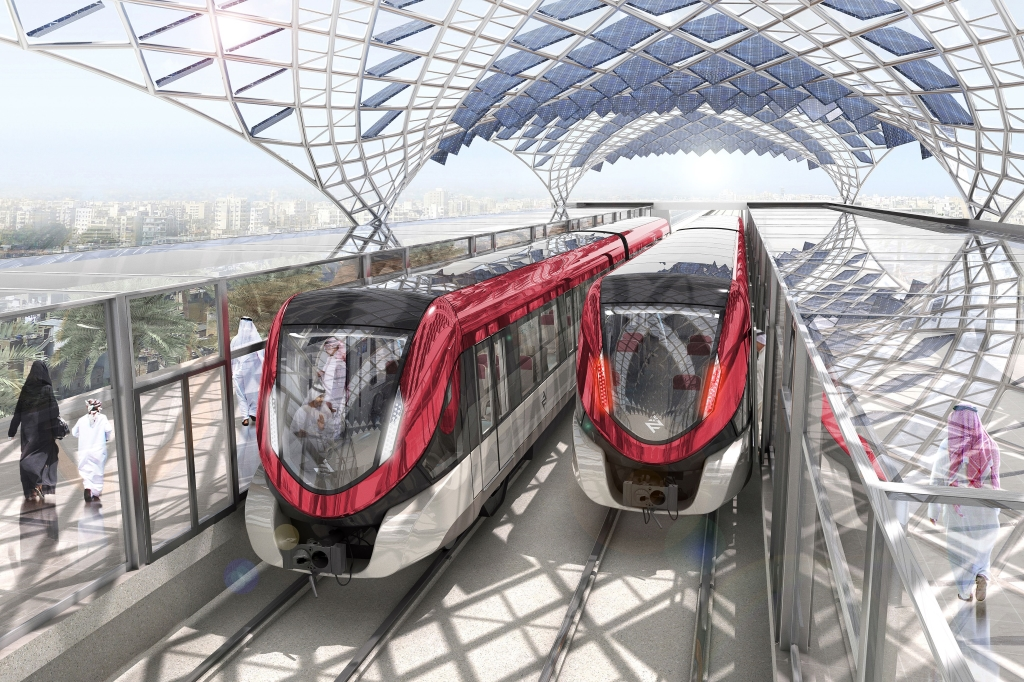
Modern metro systems rely heavily on advanced technology, and the Red Line is no exception. Automated operations, real-time passenger information, and integrated ticketing systems enhance efficiency and user experience.
The expansion will incorporate the latest innovations to ensure seamless service, minimal disruptions, and high safety standards. These systems not only improve reliability but also build trust among commuters.
As cities evolve, transport systems must be flexible enough to integrate with future mobility solutions. The Red Line expansion considers this by allowing for potential integration with autonomous vehicles, last-mile transport options, and digital mobility platforms.
This forward-looking approach ensures Riyadh remains adaptable in a rapidly changing mobility landscape.
With projects like the Riyadh Metro Red Line expansion, Saudi Arabia positions itself as a leader in urban transformation across the region. The scale, ambition, and execution of the project offer valuable lessons for other rapidly growing cities.
Riyadh’s commitment to modern public transport enhances its global image as a city ready to compete on the world stage for talent, tourism, and investment.
World-class cities are defined not just by skylines, but by how easily people move within them. The Red Line expansion contributes to a more connected, efficient, and enjoyable urban experience, making Riyadh more attractive for residents and visitors alike.
The awarding of the Red Line expansion contract marks a significant milestone in Riyadh’s journey toward becoming a truly transit-oriented city. It reflects a shift from car-centric planning to people-focused mobility.
As the expanded line becomes operational, it will influence how neighborhoods grow, how businesses choose locations, and how residents interact with the city.
Ultimately, the Red Line expansion is about confidence. Confidence that Riyadh can grow without losing its livability. Confidence that infrastructure can improve daily life. And confidence that long-term vision, when backed by action, can transform cities.
For Saudi Arabia, this project is another clear step toward a future where progress is measured not just in scale, but in impact on people’s lives.
Do Follow Estate Magazine on Instagram
Read More:- UAE Launches Powerful New Residential Projects Transforming Modern Living 2026