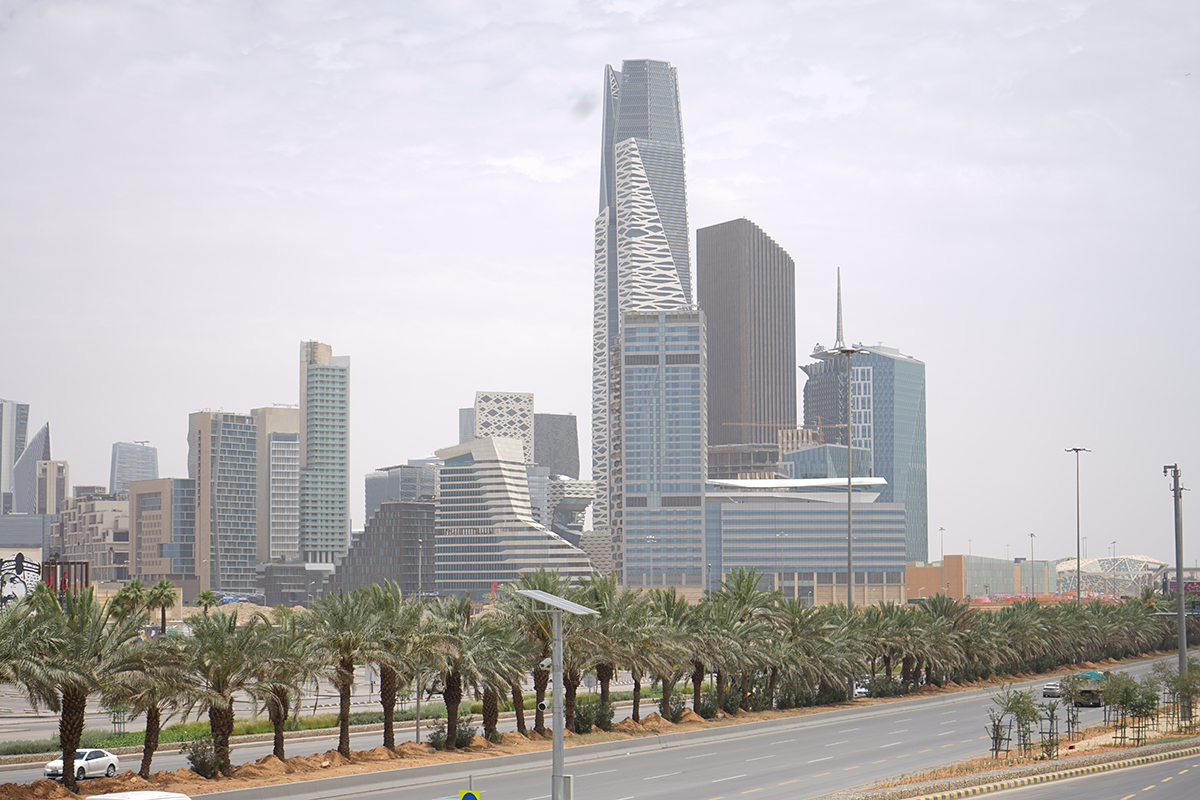
After years of anticipation and policy development, Saudi Arabia has officially opened parts of its real estate market to foreign buyers. The long-awaited property ownership law is now in effect, marking a significant shift in how the Kingdom approaches investment, residency, and economic diversification. For the first time, non-Saudis can legally own property across multiple sectors, provided purchases fall within designated zones and follow newly defined regulations.
This reform is more than a legal update. It signals a confident step toward a more open, globally connected economy and reflects Saudi Arabia’s ambition to position itself as a competitive destination for international capital, talent, and long-term residents.
Under the new framework, foreign individuals and entities are permitted to purchase residential, commercial, industrial, and agricultural properties in approved areas. Ownership rights extend beyond simple occupancy, allowing foreigners to hold, sell, lease, and transfer property in accordance with local regulations.
The law introduces clear boundaries on where foreigners can buy, ensuring alignment with national planning priorities and urban development strategies. Certain strategic locations and holy sites remain restricted, while economic hubs and growth corridors are gradually opening to international participation.
Opening the property market was never a simple decision. Land ownership in Saudi Arabia has long been tied to national identity, social stability, and economic sovereignty. Policymakers spent years balancing investor demand with cultural considerations, infrastructure readiness, and regulatory safeguards.
The result is a structured system designed to attract quality investment rather than speculative inflows. By carefully defining eligible areas and property types, authorities aim to stimulate development while maintaining market stability and affordability for citizens.
This reform is closely aligned with the Kingdom’s broader transformation agenda under Vision 2030. Real estate plays a central role in diversifying income streams away from hydrocarbons, supporting tourism, logistics, manufacturing, and technology-driven industries.
Allowing foreign ownership strengthens investor confidence, encourages long-term commitments, and accelerates the development of integrated communities, business districts, and industrial zones. It also complements reforms in residency, business licensing, and capital markets, creating a more cohesive investment ecosystem.
Foreign ownership is permitted only within specified locations, which are determined by regulatory authorities based on economic potential, infrastructure capacity, and urban planning goals. These zones typically include major cities, special economic areas, and development projects designed to attract international participation.
This targeted approach ensures that foreign investment contributes directly to national priorities such as job creation, housing supply, and regional development. It also allows regulators to monitor market activity and adjust policies as needed.
The reform opens doors for a wide range of buyers. Expatriate professionals can now consider long-term home ownership rather than temporary accommodation. International companies can secure premises for regional headquarters, factories, or logistics centers. Global investors gain access to a market with strong fundamentals and significant growth potential.
Developers and local partners also stand to benefit. Increased demand can drive new projects, modern design standards, and higher-quality construction, raising the overall competitiveness of the real estate sector.
Residential real estate is expected to see steady growth as ownership options become more attractive to long-term residents. Gated communities, mixed-use developments, and urban apartments are likely to gain popularity among foreign buyers seeking stability and lifestyle amenities.
Commercial and industrial segments may experience even stronger momentum. Ownership rights allow businesses to plan with confidence, invest in customized facilities, and establish deeper roots in the Saudi market. This could enhance the Kingdom’s appeal as a regional base for multinational firms.
The new law includes regulatory checks to prevent overheating, speculation, or misuse. Approval processes, ownership caps in certain zones, and compliance requirements ensure transparency and accountability. Authorities retain the power to revise designated areas and conditions based on market performance.
These safeguards aim to protect both citizens and investors, fostering a balanced environment where growth is sustainable and aligned with long-term national interests.
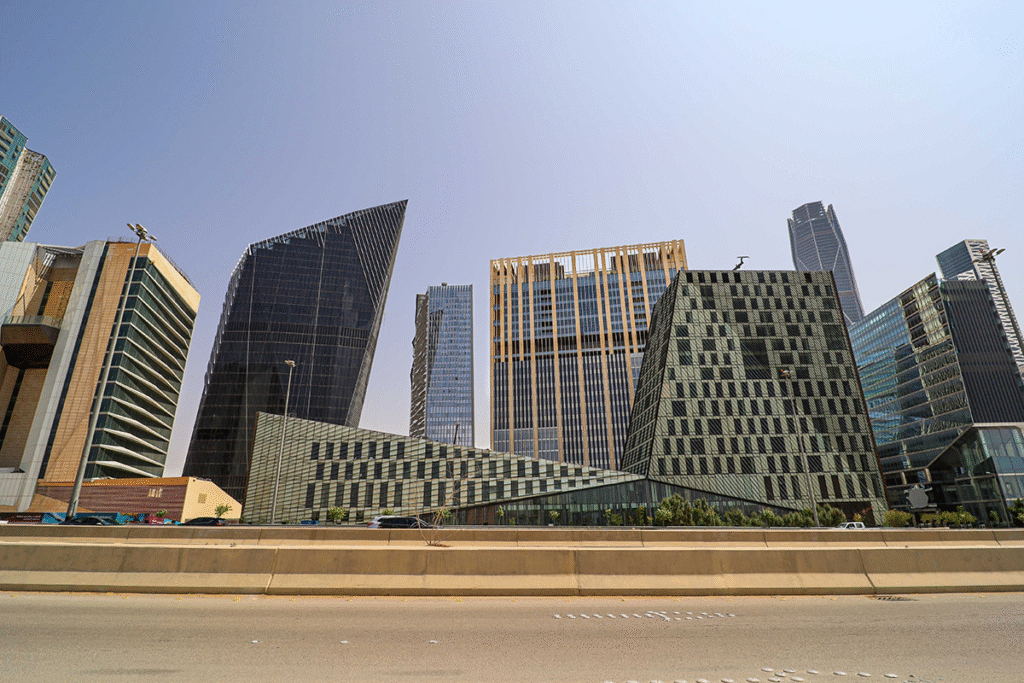
Clear ownership rights are a cornerstone of investor trust. By formalizing and enforcing these rights, Saudi Arabia sends a strong message to global markets about its commitment to legal clarity and economic openness.
Institutions such as Ministry of Investment Saudi Arabia play a key role in facilitating this transition, guiding investors through regulations and supporting projects that add strategic value to the economy.
While the reform is economic in nature, its social implications are equally important. Encouraging long-term residency and property ownership among foreigners can support knowledge transfer, cultural exchange, and community development.
At the same time, the controlled rollout ensures that local traditions, social cohesion, and national priorities remain protected. This balance reflects a thoughtful approach to modernization that respects identity while embracing change.
The opening of the property market is likely just the beginning. As regulatory frameworks mature and market responses are evaluated, further adjustments and expansions may follow. Over time, Saudi Arabia could emerge as one of the most attractive real estate destinations in the region, combining scale, stability, and opportunity.
For foreign buyers, the message is clear. Saudi Arabia is no longer a market to observe from afar. It is a place to invest, build, and belong.
Do follow Estate Magazine on Instagram
Read More:- Qatar Real Estate Transactions Reach QAR657m in Strong Market Showing