Saudi Arabia is undergoing a remarkable transformation, particularly in its tourism and services sectors. Central to this change are the workforce localisation policies aimed at increasing the participation of Saudi nationals in these industries. With the country’s Vision 2030 initiative driving economic diversification, understanding these localisation policies becomes crucial for anyone interested in the future of work in Saudi Arabia.
The essence of workforce localisation lies in the belief that local talent should fill job roles traditionally occupied by expatriates. Saudi Arabia’s economy has historically been reliant on foreign labour, especially in sectors like tourism and services. The localisation policies aim to address this reliance by:
These policies signify a pivotal shift in Saudi Arabia’s approach to employment, reflecting a commitment to empowering its citizens and building a more sustainable economy.
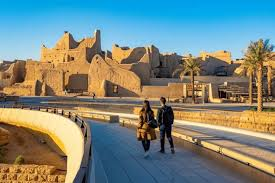
The tourism sector in Saudi Arabia is on the brink of a boom, with the government investing heavily in infrastructure and attractions. Workforce localisation policies play a critical role in this sector by:
Promoting National Talent: Initiatives such as training programs and educational partnerships aim to equip Saudi nationals with the skills needed in hospitality, tour operations, and event management
Creating a Diverse Workforce: As the tourism industry grows, there is a push for a workforce that reflects the diversity of tourists visiting the Kingdom. This involves hiring Saudis from various backgrounds to ensure that the services offered are culturally competent and welcoming.
Catalyzing Economic Growth: With local employees in key roles, the tourism sector can expect improved service quality, leading to higher tourist satisfaction and repeat visits, thus driving revenues.
The services industry is another area where localisation policies are making waves. From retail to finance, these policies are reshaping how businesses operate. Here’s how:
Boosting Employment Rates: By mandating a certain percentage of local hires, businesses are compelled to invest in their Saudi workforce. This not only creates jobs but also fosters loyalty and commitment among employees.
Encouraging Entrepreneurship: Localisation policies open doors for Saudi entrepreneurs to enter the services market. With more support for start-ups and small businesses, the landscape is becoming increasingly vibrant and innovative.
Enhancing Customer Experience: With local employees interacting with customers, businesses can provide tailored services that resonate more with the local culture and preferences. This can lead to a more enjoyable experience for consumers.
A key component of Saudi Arabia’s workforce localisation policies is the emphasis on training and development. The government and private sector are collaborating to ensure that Saudi nationals receive:
Comprehensive Training Programs: These programs are designed to equip individuals with the skills needed to thrive in the tourism and services sectors, from customer service to management roles.
Internships and Apprenticeships: By offering real-world experience, these initiatives help bridge the gap between education and employment. They also allow companies to identify and nurture potential talent early on.
Continuous Professional Development: Lifelong learning is encouraged, ensuring that employees can adapt to changing industry demands and remain competitive in the workforce.
While the localisation policies present numerous opportunities, they are not without challenges. Understanding these can help businesses and policymakers navigate the complexities of implementation.
Resistance to Change: Some businesses may be hesitant to shift from their established practices of hiring expatriates. Overcoming this mindset requires effective communication about the benefits of employing local talent.
Skill Gaps: Despite training initiatives, there may still be gaps in skills, particularly in specialized roles. Addressing these gaps will require a concerted effort from both the government and educational institutions.
Cultural Shifts: As the workforce becomes more diverse, businesses must adapt to changing cultural dynamics. Embracing inclusivity will be essential for fostering a harmonious work environment.

Several companies in Saudi Arabia are leading the way in implementing successful localisation policies. These success stories serve as inspiration for others looking to embrace this transformative approach:
Al Habtoor Group: This hospitality company has made significant strides in hiring and training Saudi nationals, showcasing the potential for local talent in high-end service.
STC (Saudi Telecom Company): By investing in young Saudis through internships and training programs, STC has successfully increased its local workforce, leading to increased innovation and customer satisfaction.
Saudi Arabian Airlines: With a focus on hiring local pilots and crew members, the airline is not only enhancing its service but also instilling a sense of national pride among its employees.
As Saudi Arabia continues to pursue its Vision 2030 objectives, the workforce localisation policies in tourism and services will remain a cornerstone of economic transformation.
Increased Investment: Expect more investment in training and development, ensuring that the workforce can meet the demands of a rapidly evolving market.
Global Competitiveness: With a more skilled and diverse local workforce, Saudi Arabia can position itself as a competitive player in the global tourism and services market.
Sustainable Growth: Ultimately, the localisation policies aim to create a sustainable economic model that benefits not just the workforce but the entire nation.
Saudi Arabia’s workforce localisation policies in tourism and services are more than just regulations—they represent a vision for a future where local talent thrives. By investing in the education and development of its citizens, the Kingdom is paving the way for a vibrant economy that can rely on its own people for growth. As these policies continue to evolve, the impact will be felt across industries, creating a more inclusive and prosperous society for all Saudis.
Do Follow Estate Magazine on Instagram
Read More:- UAE Searches: Villa Trends That Can Boost Value Today 2026