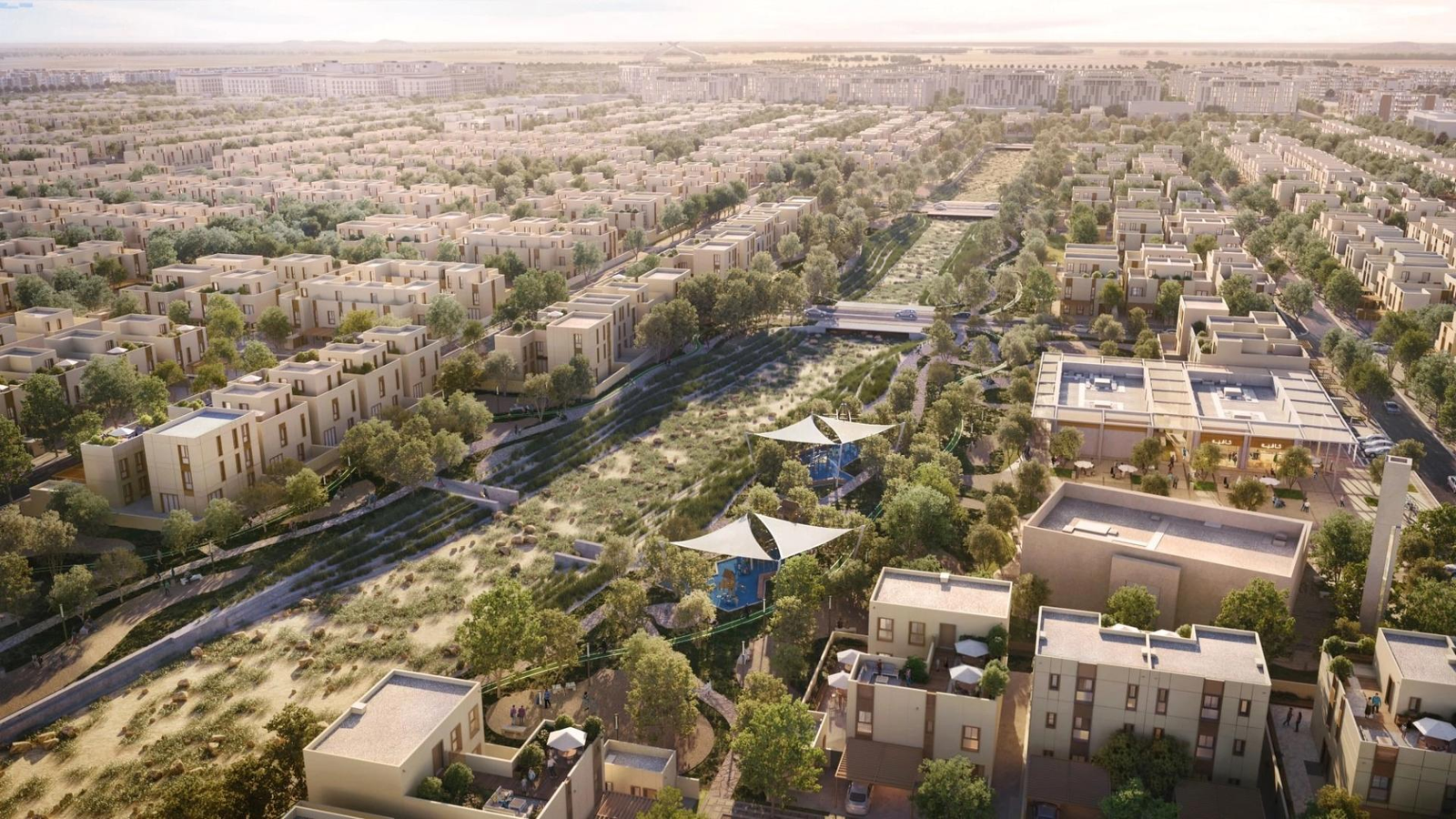
Saudi Arabia’s property market has long been dominated by Riyadh, the capital city, and Jeddah, the commercial hub. However, a new report has revealed a surprising shift in the dynamics of the Kingdom’s real estate market. Investors and homebuyers are increasingly turning their attention to emerging cities that are showing unprecedented growth rates, leaving traditional hotspots slightly behind.
This change is reshaping the landscape of Saudi Arabia’s property sector, with new opportunities and challenges for investors, developers, and residents alike.
While Riyadh has historically attracted attention due to its economic significance and population size, other cities are now stealing the spotlight. According to recent trends, certain mid-sized cities are experiencing record-breaking property demand. Factors driving this growth include government initiatives, infrastructure development, and the Kingdom’s broader economic diversification plans.
The report highlights how these cities are attracting younger populations, professionals, and international investors seeking promising returns in less saturated markets.
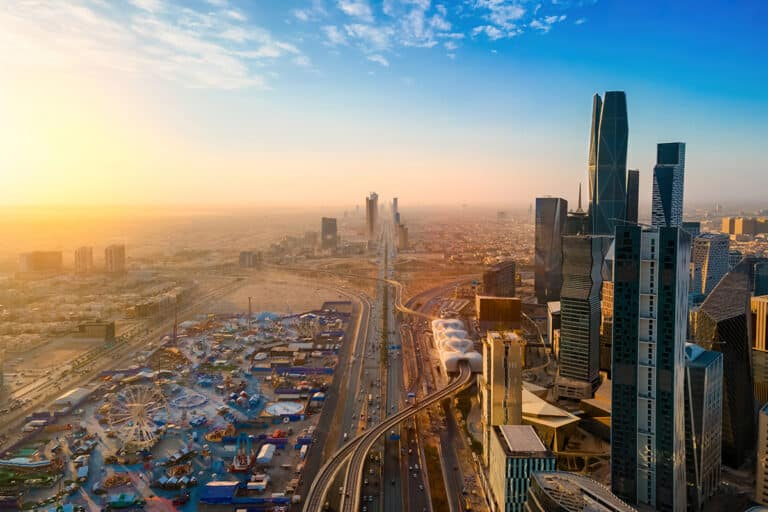
One of the key drivers behind the rapid property growth outside Riyadh is Saudi Arabia’s ambitious Vision 2030 plan. The government is heavily investing in infrastructure projects, transportation networks, and urban development outside the capital. This strategic approach is not only easing population pressure on Riyadh but also creating high-demand real estate markets in emerging cities.
Affordable housing projects, mixed-use developments, and smart city initiatives have made these cities highly attractive for both local buyers and expatriates looking for modern, convenient lifestyles.
Saudi Arabia’s economic diversification is another crucial factor in the property boom. Cities that were once primarily industrial or administrative centers are now transforming into vibrant economic hubs. Sectors such as tourism, technology, and entertainment are expanding, creating new job opportunities and increasing demand for residential and commercial properties.
Investors are taking note, and international real estate firms are establishing a presence to capitalize on this growth, further boosting property values and market confidence.
Interestingly, these emerging markets are not only attracting middle-income buyers but also high-net-worth individuals seeking luxury properties. Developers are striking a balance between affordable housing and premium residential complexes, offering a range of options to accommodate different lifestyles and budgets.
This diversity is contributing to a balanced growth pattern, where both traditional and modern developments coexist, attracting a wider spectrum of investors and residents.
The rise of technology-driven solutions in the property market has also played a pivotal role. Online platforms, virtual tours, and digital transaction tools are making property investment more accessible than ever. Cities outside Riyadh are leveraging these innovations to attract buyers from across the Kingdom and beyond, allowing investors to make informed decisions quickly.
Smart city planning and green building practices are further enhancing the appeal of these locations, making them attractive for environmentally-conscious residents and investors.
Beyond financial incentives, the lifestyle offered in these fast-growing cities is a key factor. Modern amenities, recreational facilities, shopping complexes, and cultural hubs are being developed at a rapid pace. Families are drawn to safe neighborhoods with easy access to schools, healthcare, and entertainment, while young professionals appreciate dynamic urban centers with vibrant social scenes.
This holistic approach to urban development is creating communities that are not only functional but also desirable, contributing to sustained property demand.
The long-term outlook for Saudi Arabia’s property market outside Riyadh appears highly promising. Analysts predict continued growth driven by government policies, economic diversification, and ongoing infrastructure projects. Cities that were previously overlooked are now on the radar of domestic and international investors, making early investment opportunities particularly lucrative.
For those willing to explore beyond traditional markets, the potential for high returns and capital appreciation is significant. This shift also indicates a more balanced national property landscape, reducing the concentration risk in any single city.
Despite the positive outlook, investors should remain cautious. Rapid growth can sometimes lead to speculative bubbles, and careful market analysis is essential. Additionally, navigating regulatory frameworks, construction timelines, and local market dynamics requires informed decision-making and professional guidance.
Understanding local culture, demographics, and economic conditions will be critical for those seeking sustainable long-term investments in these emerging property markets.
Saudi Arabia’s property market is entering an exciting new phase. While Riyadh continues to hold importance as a capital and economic hub, other cities are rising as powerful contenders in real estate growth. With government support, strategic planning, and innovative development, these emerging markets offer attractive opportunities for investors, residents, and developers alike.
As the Kingdom continues to diversify its economy and expand infrastructure, the real estate landscape will likely remain dynamic, presenting both challenges and immense possibilities. Savvy investors and homeowners who explore beyond the traditional hotspots stand to benefit from this new era of Saudi property growth.
Do Follow Estate Magazine on Instagram
Read More:- Karl Lagerfeld Launches Stunning Luxury Beachfront Homes in RAK 2025