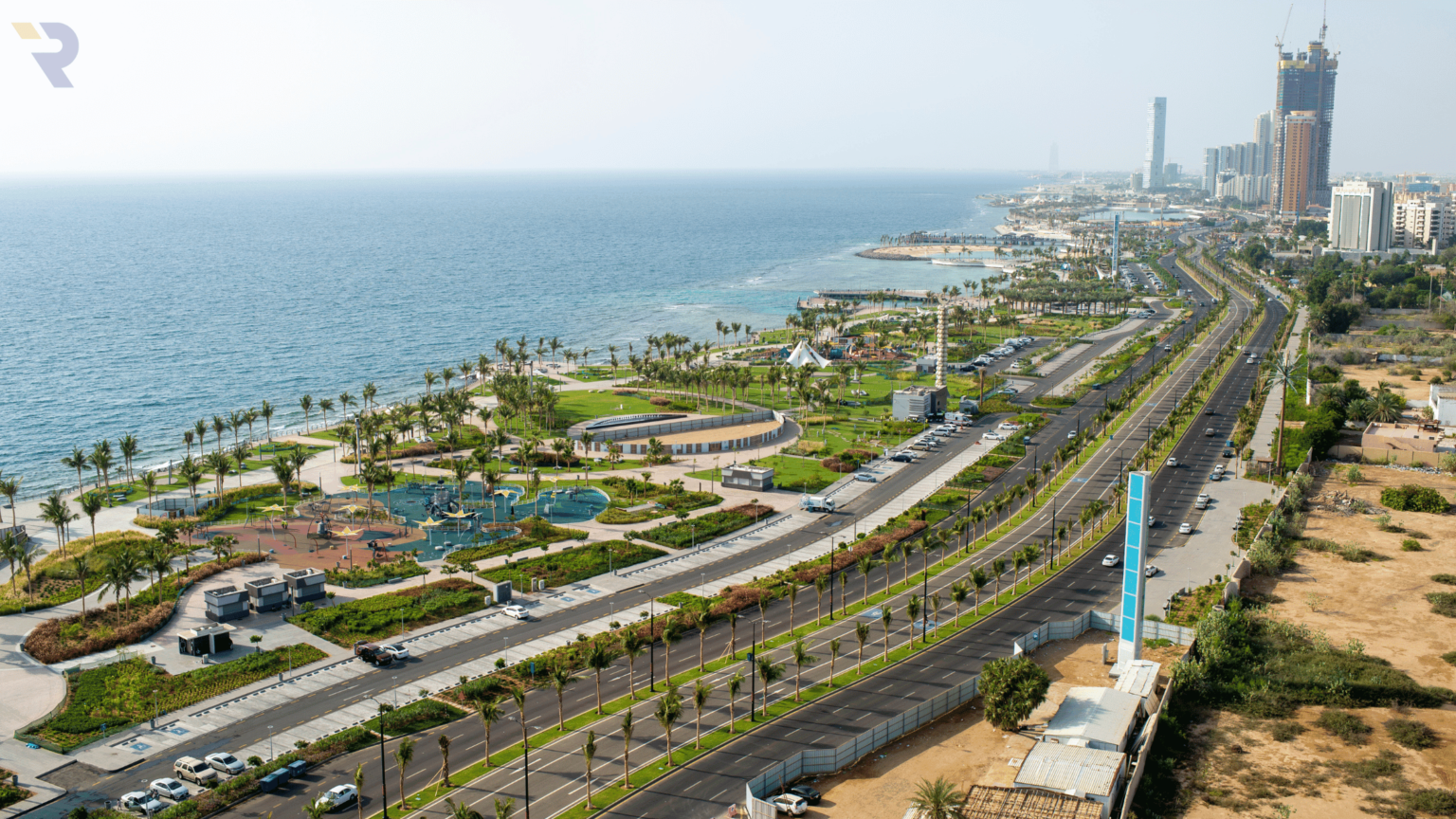
Saudi Arabia’s real estate market has witnessed remarkable changes over the past few years. Once characterized by occasional spikes and sudden investment booms, the market is now moving towards a more stable, operationally mature phase. This transition is not just about rising property prices or increased construction projects it reflects a deeper shift in how the sector is managed, financed, and regulated.
Investors, developers, and government stakeholders are increasingly focusing on sustainability, efficiency, and long-term value rather than short-term speculation. This change signals a new era where real estate in Saudi Arabia is not just a commodity for quick profits but a strategic asset contributing to the country’s broader economic vision.
For many years, Saudi real estate experienced temporary surges in activity. These were often driven by government announcements, mega-project launches, or external investment inflows. While these bursts of activity brought attention and capital to the sector, they often lacked continuity and operational sophistication. Projects could stall, property values fluctuated unpredictably, and the market remained somewhat fragmented.
Today, the narrative is changing. The focus has shifted from temporary upswing cycles to sustainable growth models. Developers are adopting more rigorous project management strategies, leveraging technology for smarter urban planning, and aligning investments with national economic goals. This has brought a sense of predictability to the market, which in turn attracts more long-term investors and end-users.
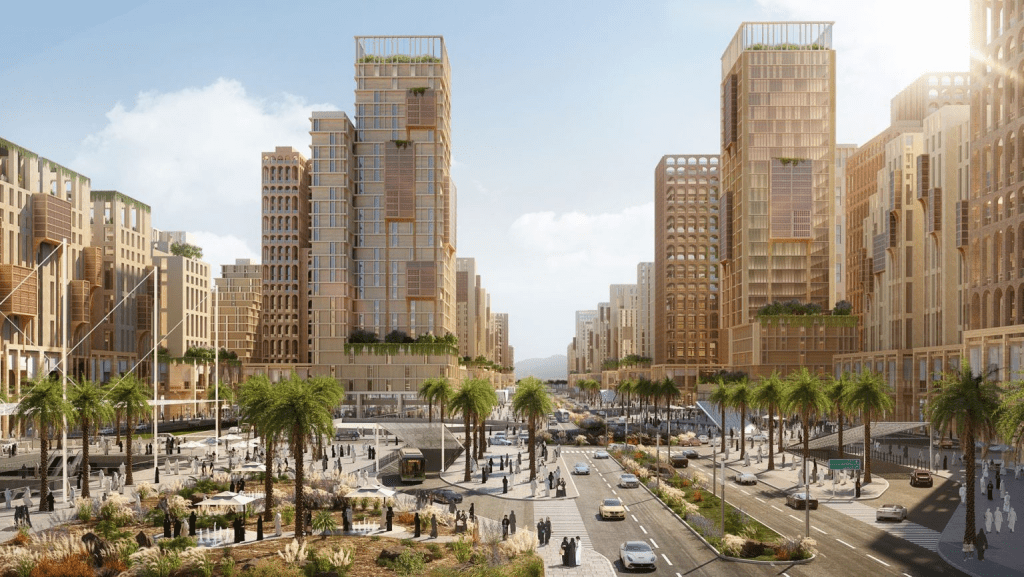
Government policies and initiatives have played a pivotal role in driving operational maturity. Programs designed to regulate housing supply, streamline licensing processes, and provide transparent market data have created a more professional environment for developers and investors. Vision 2030, Saudi Arabia’s ambitious economic transformation plan, has also emphasized real estate as a key sector, promoting both residential and commercial projects that support urban growth, tourism, and foreign investment.
Such initiatives encourage developers to adopt best practices, implement efficient construction methods, and ensure projects meet high-quality standards. The result is a market that is less prone to speculative fluctuations and more geared toward delivering long-term value.
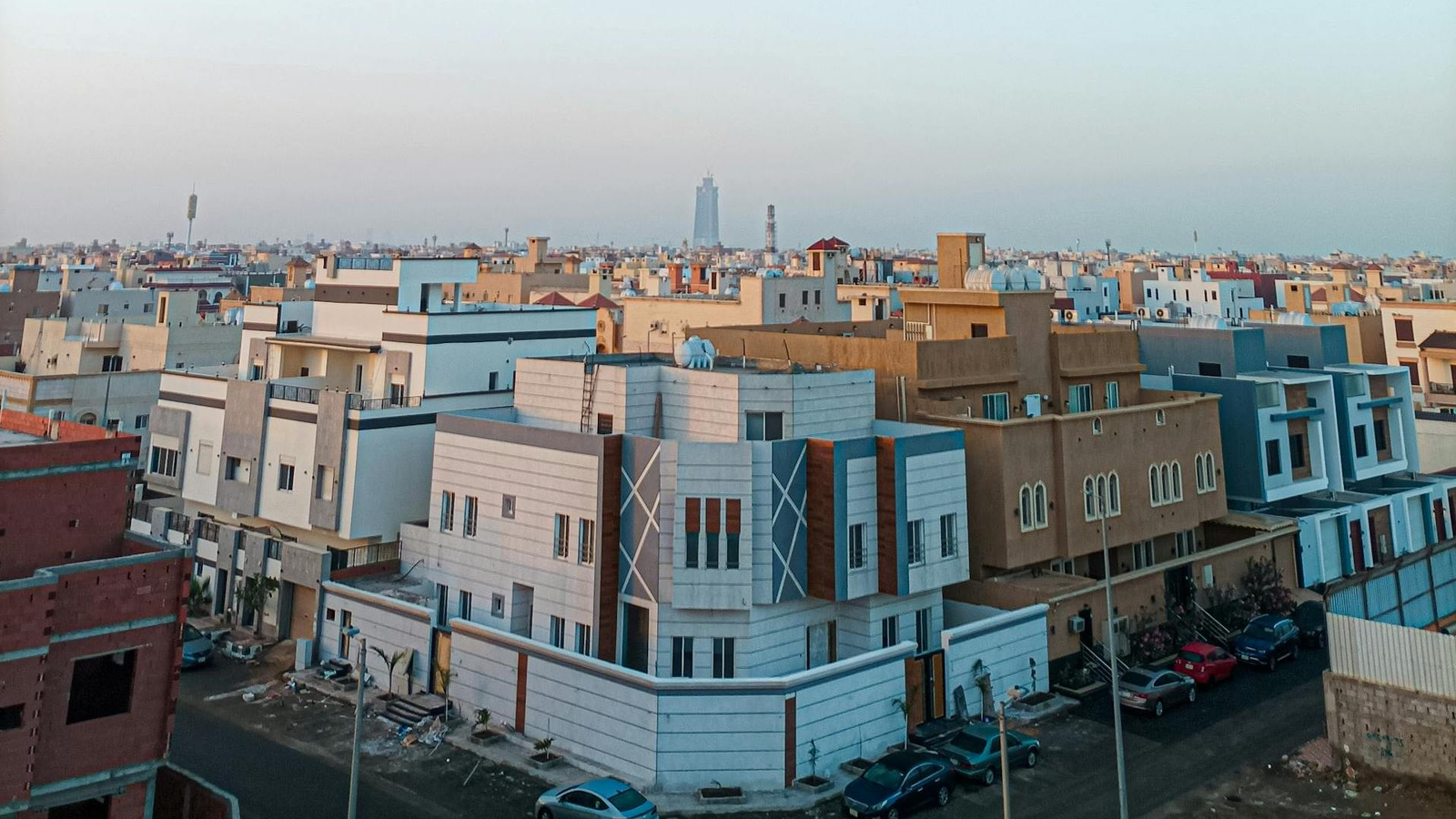
Residential real estate has become a cornerstone of the sector’s maturation. Population growth, urbanization, and changing lifestyle preferences are driving demand for well-planned, modern housing developments. Developers are now investing in mixed-use communities, affordable housing projects, and luxury residences that meet international standards.
This focus has not only improved living conditions but has also enhanced investor confidence. Unlike previous cycles where speculative buying led to inflated prices, current residential developments are guided by market research, population needs, and economic feasibility. This shift from opportunistic development to thoughtful planning marks a critical step toward operational maturity.
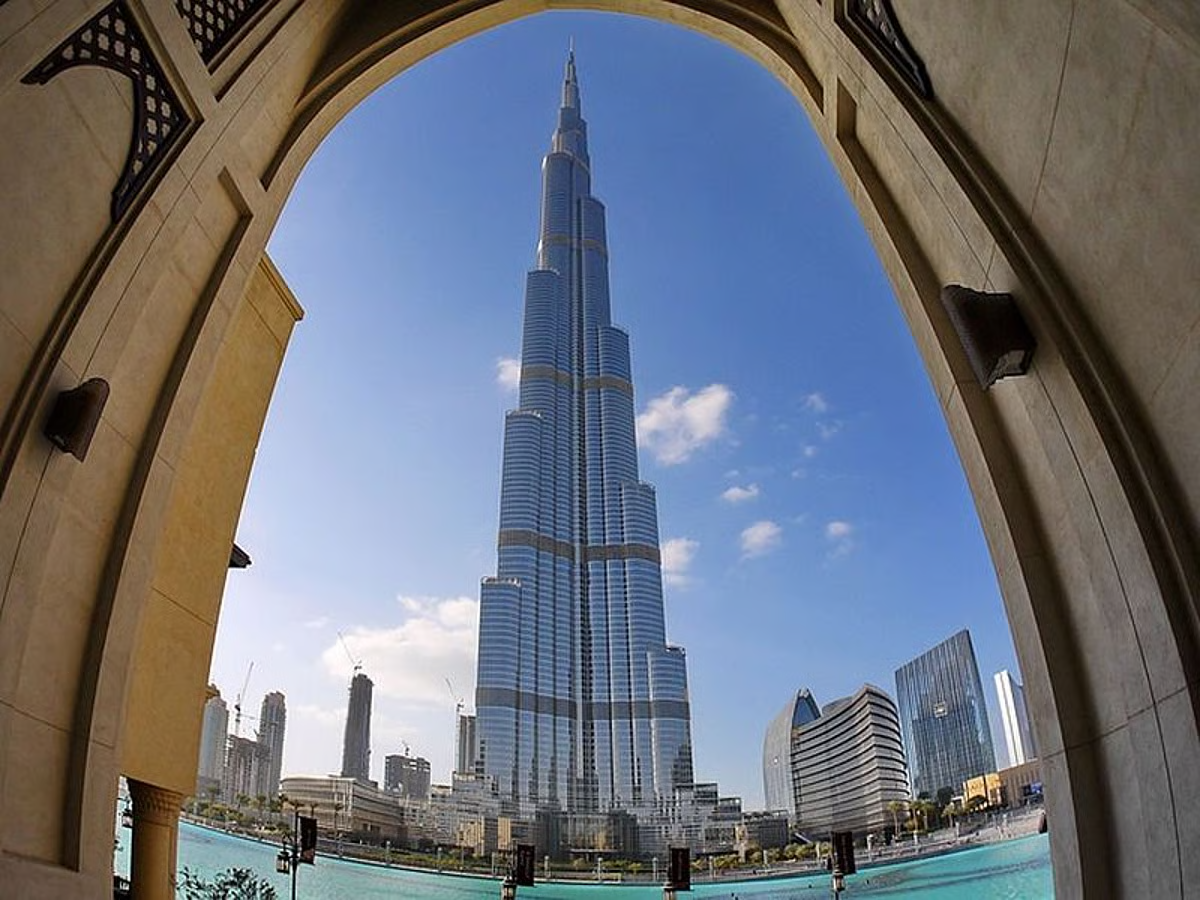
While residential properties take center stage, commercial and industrial real estate sectors are also evolving. Demand for office spaces, retail outlets, and logistics hubs is becoming more strategic. Businesses are seeking locations that optimize operational efficiency, reduce costs, and support growth.
Investors are responding by developing spaces that integrate technology, sustainability, and scalability. This approach contrasts sharply with earlier periods where commercial properties were often built with limited foresight or long-term planning. Now, strategic location selection, high-quality construction, and tenant-focused management are becoming standard practices.
Technology is playing a transformative role in Saudi real estate. From digital property listings to virtual tours, project management software, and smart building solutions, innovation is enhancing operational efficiency and customer experience.
Developers can now forecast demand more accurately, optimize resource allocation, and reduce construction delays. Buyers benefit from greater transparency, easier property searches, and better post-purchase services. Technology also enables predictive analytics for market trends, allowing investors to make informed decisions rather than relying on short-term speculation.
Operational maturity is closely tied to sustainability. Saudi developers are increasingly incorporating green building standards, energy-efficient designs, and environmentally conscious urban planning. These efforts reduce operational costs, appeal to eco-conscious buyers, and align with global sustainability trends.
Moreover, sustainable practices are not just a marketing strategy they are becoming a requirement for long-term profitability. Buildings designed with energy efficiency, smart water management, and reduced carbon footprints have higher market value and lower maintenance costs. This holistic approach demonstrates a shift from reactive development to strategic, future-oriented planning.
One of the most significant indicators of operational maturity is investor confidence. The market’s ability to attract domestic and foreign capital consistently, rather than during brief booms, reflects structural stability. Long-term investors are increasingly looking for predictable returns, well-managed assets, and clear legal frameworks.
Saudi Arabia’s efforts to standardize regulations, streamline property ownership processes, and enhance market transparency have contributed to this confidence. Investors now see the market not just as a speculative playground but as a reliable avenue for wealth creation and business expansion.
While progress is evident, challenges remain. High land prices, bureaucratic hurdles, and occasional supply-demand imbalances can still create friction in the market. Additionally, some developers continue to prioritize short-term gains over operational excellence, which can affect overall market perception.
However, these challenges are being addressed gradually. Stronger governance, investor education, and industry collaboration are helping the sector overcome these obstacles. The ongoing shift toward operational maturity means that challenges are no longer market-defining they are opportunities for improvement and innovation.
The future of Saudi real estate appears promising. With a strong foundation built on strategic planning, government support, technological integration, and sustainable development, the sector is poised for steady growth. Operational maturity ensures that future booms will be supported by solid fundamentals rather than temporary hype.
Developers and investors alike are now focused on creating value for communities, businesses, and the national economy. This approach promises a real estate landscape that is reliable, innovative, and resilient a market where both short-term returns and long-term growth coexist harmoniously.
As Saudi Arabia continues to implement its Vision 2030 objectives, real estate will remain a critical pillar of economic development. The sector’s transformation from temporary upswing cycles to operational maturity demonstrates a broader lesson: sustainable success is built on planning, innovation, and consistent execution.
Do Follow Estate Magazine on Instagram
Read More:- Dubai’s Luxury Real Estate Soars With $109M Crown Villas Project