The Red Sea Project in Saudi Arabia is not just a stunning vision of luxury and sustainability; it has quickly become a significant benchmark for foreign property ownership. As the Kingdom seeks to diversify its economy and attract international investment, this ambitious initiative is transforming the landscape of real estate in the region.
This article delves into the implications of the Red Sea Project, how it reshapes foreign ownership standards, and what it means for investors and the local economy.
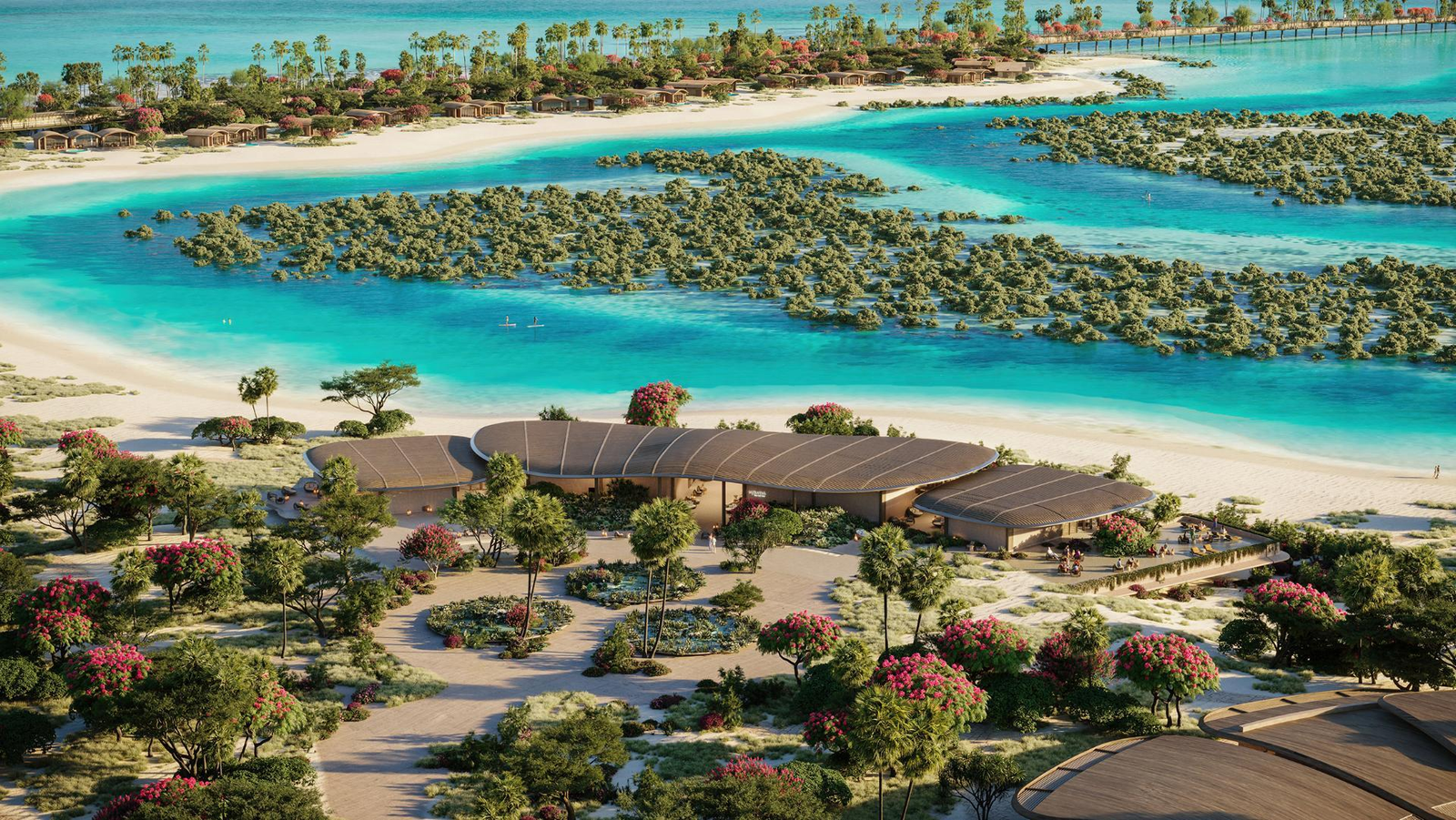
Envisioned as a transformative development, the Red Sea Project spans over 28,000 square kilometers of pristine coastline. This ambitious undertaking aims to create a world-class tourism destination, featuring luxury resorts, residential areas, and entertainment hubs.
The project’s design emphasizes sustainability, with commitments to preserving the natural ecosystem and promoting renewable energy. This unique focus positions the Red Sea Project not only as a tourist attraction but also as a model for responsible development.
The Red Sea Project has opened its doors to foreign property ownership, a significant shift in Saudi Arabia’s real estate landscape. Historically, foreign investors faced numerous challenges when attempting to purchase property in the Kingdom. However, the Red Sea Project has introduced new regulations and incentives aimed at attracting international buyers.
This change is pivotal. By easing restrictions on foreign ownership, Saudi Arabia is positioning itself as an appealing destination for global investors, particularly in the luxury real estate sector.
One of the most compelling aspects of the Red Sea Project is its clear and concise framework for foreign ownership. This includes:
Transparent Regulations: The government has established clear guidelines for foreign investors, making it easier to navigate the purchasing process.
Investment Incentives: Various financial incentives are in place, such as tax breaks and streamlined processes for obtaining permits.
Flexibility in Ownership Structures: Investors can choose from various ownership models, from full ownership to long-term leases, catering to different investment strategies.
These features not only simplify the investment process but also build confidence among potential buyers, making the Red Sea Project a benchmark for foreign property ownership in the region.
The influx of foreign investment through the Red Sea Project is expected to have positive ripple effects on the local economy. Increased tourism will drive demand for services, from hospitality to retail, creating jobs and stimulating economic growth.
Moreover, as international investors acquire properties, there will be a significant transfer of knowledge and expertise. This interaction can foster innovation and elevate local standards in construction, hospitality, and service sectors.
Sustainability is at the heart of the Red Sea Project. The development emphasizes eco-friendly practices, aiming to balance luxury with environmental responsibility. This commitment to sustainability is likely to resonate with international buyers who prioritize ethical investments.
By integrating sustainable practices into property ownership, the project sets a new benchmark that other developments in the region can aspire to. This could lead to a broader shift in how property ownership is perceived, moving from mere investment to a responsibility towards the environment and local communities.
As the Red Sea Project continues to evolve, its impact on foreign property ownership in Saudi Arabia is likely to grow. The success of this initiative could inspire similar projects across the Kingdom, further opening doors for international investors.
The government’s commitment to diversifying the economy through tourism and real estate is clear. As foreign ownership becomes more accessible, Saudi Arabia may find itself at the forefront of the global luxury real estate market.
Saudi’s Red Sea Project has undoubtedly become a major foreign property ownership benchmark. By creating a transparent and attractive framework for international investors, the Kingdom is not only enhancing its real estate market but also setting a new standard for sustainable development.
As this project unfolds, it will be fascinating to observe how it influences foreign investment trends and shapes the future of property ownership in the region.
Do Follow Estate Magazine on Instagram
Read Next – Dubai Commercial Property Market Enters a New Two-Tier Phase