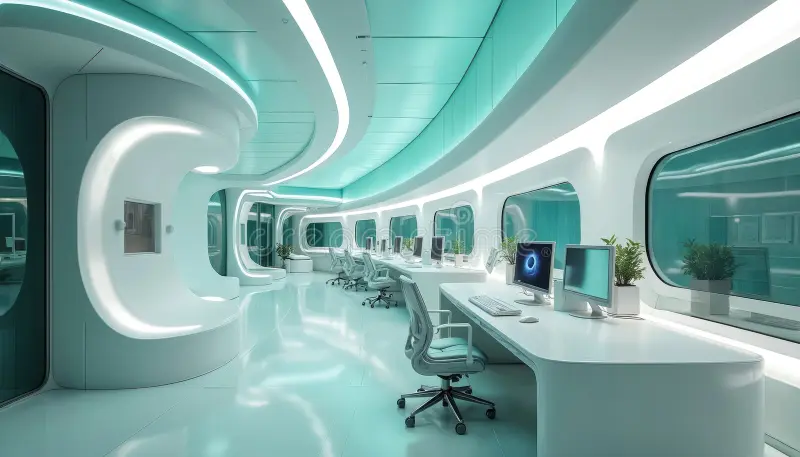
In today’s fast-paced business world, the traditional office setup is quickly becoming outdated. Companies are shifting toward flexible workspaces that blend technology, comfort, and aesthetics. This transformation has given rise to serviced offices with high-tech interiors—a new era of workspaces designed to inspire creativity, productivity, and efficiency.
Serviced offices are more than just ready-to-move-in spaces. They represent a strategic evolution of how people work, collaborate, and thrive in a digital-driven environment. These offices offer the perfect balance between convenience and sophistication, where every corner is powered by smart technology and elegant design.
For entrepreneurs, freelancers, and global companies alike, serviced offices have become the go-to solution for modern business operations. The reasons are simple yet compelling:
But what truly sets these spaces apart today is their high-tech interior design—a factor that revolutionizes how people work, communicate, and collaborate.
Technology is now at the heart of workspace innovation. The interiors of serviced offices are being designed to align with the needs of the digital generation. From intelligent lighting systems to automated temperature control and AI-powered meeting tools, the integration of technology in office design is redefining the very concept of “going to work.”
Some of the most common high-tech features include:
These innovations make serviced offices not just functional, but futuristic. They offer an environment where technology seamlessly integrates with design to create a truly immersive workspace experience.

The design of a workspace directly influences employee mood, creativity, and focus. A clutter-free, tech-enabled environment encourages better work habits and fosters innovation. High-tech interiors use smart design elements such as:
By creating spaces that feel both inspiring and efficient, serviced offices with advanced design elements empower professionals to perform at their best.
Beyond functionality, these offices are crafted to impress. Modern serviced offices are architectural masterpieces—open layouts, sleek glass partitions, and minimalist color schemes give them a timeless appeal.
Each element, from the reception desk to the communal kitchen, is designed with purpose. The interiors are not just visually stunning but strategically built to support well-being and collaboration. Designers often combine textures, lighting, and acoustics to create spaces that stimulate creativity while maintaining a professional atmosphere.
In essence, high-tech interiors merge style with substance—a combination that attracts both ambitious startups and established corporations.
In the hybrid work era, seamless collaboration is non-negotiable. Serviced offices with high-tech interiors make this effortless through integrated communication tools. Video conferencing systems, cloud collaboration platforms, and virtual whiteboards help teams stay connected regardless of their physical location.
Many serviced offices are equipped with AI-powered assistants that schedule meetings, control presentation settings, or even suggest optimal meeting times based on participant availability. This smart integration ensures that collaboration becomes smoother, faster, and more effective.
Sustainability has become a defining factor in workspace design. High-tech interiors are often designed with eco-conscious materials and energy-efficient systems.
Here’s how modern serviced offices promote sustainability:
This green approach not only reduces environmental impact but also appeals to eco-aware professionals and organizations looking to align with sustainability goals.
Today’s workforce values experience as much as employment. Serviced offices with advanced interiors cater to this shift by offering amenities that go beyond the basics. From wellness zones and gyms to cafes and lounges, these spaces are designed to create a holistic work-life balance.
Employees can brainstorm in open lounges, meditate in quiet zones, or recharge at in-house coffee bars. This emphasis on lifestyle and comfort makes serviced offices more than just a place to work—they become communities that nurture creativity and connection.
Companies operating from serviced offices often enjoy a competitive edge in client perception and talent attraction. When a client walks into a modern, tech-enabled workspace, it reflects innovation and professionalism. Similarly, top talent is drawn to environments that feel progressive and inspiring.
Moreover, businesses can scale faster because serviced offices eliminate the traditional barriers of infrastructure, setup time, and maintenance. This agility is crucial for startups, remote teams, and multinational firms entering new markets.

As remote work, digital transformation, and AI continue to shape the business landscape, the future of serviced offices looks exceptionally bright. We can expect even more intelligent and adaptive environments, where technology anticipates needs before employees express them.
Future trends may include:
These innovations will make serviced offices smarter, healthier, and more personalized than ever before.
For businesses considering this move, here are a few things to evaluate before choosing a serviced office:
Finding the right fit ensures that your team not only works efficiently but also enjoys the process.
For entrepreneurs and small businesses, serviced offices with high-tech interiors offer the freedom to focus on growth rather than logistics. They provide immediate access to world-class infrastructure, professional meeting spaces, and administrative support—all without the hefty costs.
Additionally, these shared environments foster networking opportunities. Startups can collaborate with other like-minded professionals, exchange ideas, and build partnerships that might otherwise take months to develop.
Serviced offices with high-tech interiors symbolize the evolution of modern work culture. They combine luxury, innovation, and flexibility in a way that redefines how businesses operate and grow.
As technology continues to advance, these spaces will only become more intelligent and adaptive—offering professionals an experience that’s efficient, engaging, and inspiring. Whether you’re a freelancer seeking focus, a startup chasing innovation, or a corporation expanding globally, these next-generation workspaces are where productivity meets possibility.
In a world where work is no longer confined by walls or time zones, serviced offices with high-tech interiors represent the perfect blend of design, technology, and human connection—a glimpse into the future of work itself.
Do Follow Estate Magazine on Instagram
Co-Working Spaces With Tech-Enabled Facilities Are Redefining Modern Work