In recent years, the concept of smart cities has gained immense traction, particularly in the realm of real estate. As urban areas evolve to meet the demands of a growing population, the integration of IoT (Internet of Things) technologies and mobility solutions has become paramount. This integration is not just a trend; it’s a transformative movement that is reshaping how we live, work, and interact within our cities.
Feroz Hussain, a visionary in Dubai’s elite real estate sector, exemplifies this shift. His approach to real estate emphasizes the importance of integrating smart technologies to enhance the urban living experience. Let’s delve deeper into how smart city real estate integration with IoT and mobility is redefining urban landscapes.
Smart cities use technology and data to improve the quality of life for their residents. This involves the integration of various technological solutions, including IoT devices, to manage resources more efficiently and sustainably.
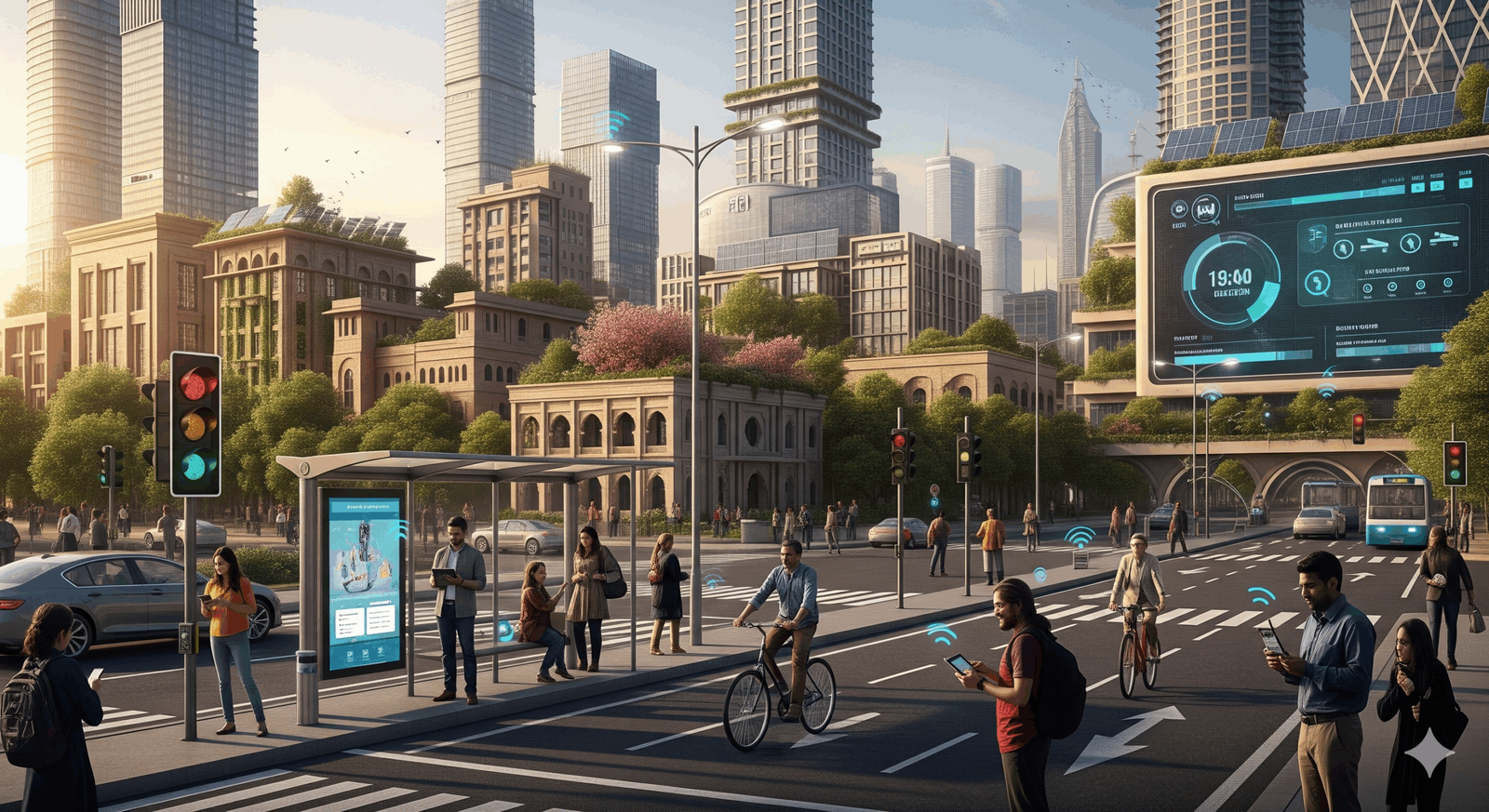
IoT plays a pivotal role in this transformation. From smart traffic management systems to intelligent waste disposal solutions, the capabilities of IoT are vast. Mobility solutions, including electric vehicles and smart public transport systems, complement these technologies by providing seamless connectivity for residents.
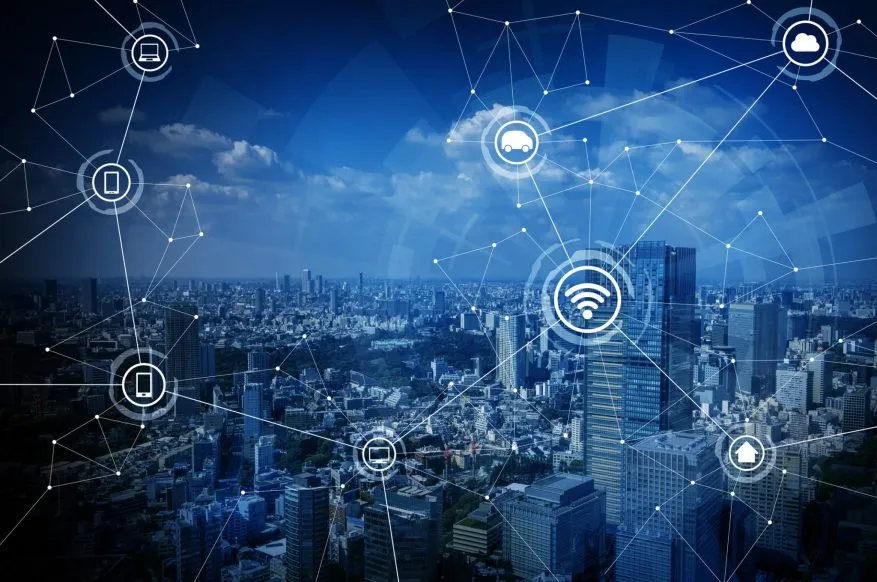
The integration of IoT into real estate is revolutionizing how buildings are designed, constructed, and managed. Here are some key aspects:
Enhanced Energy Efficiency
By utilizing IoT sensors, buildings can monitor energy consumption in real-time. This data allows for more efficient energy use, leading to reduced costs and a smaller carbon footprint. Smart buildings can automatically adjust heating, cooling, and lighting based on occupancy, ensuring optimal energy performance.
Improved Security Systems
IoT devices enhance security measures in real estate developments. Smart locks, surveillance cameras, and alarm systems can be monitored remotely, providing both residents and property managers with peace of mind. This integration fosters a safer living environment, which is crucial in urban settings.
Data-Driven Decision Making
Real estate developers can leverage data from IoT devices to make informed decisions. This can include everything from understanding tenant behavior to predicting maintenance needs. By analyzing this data, developers like Feroz Hussain can create more responsive and adaptive living spaces.
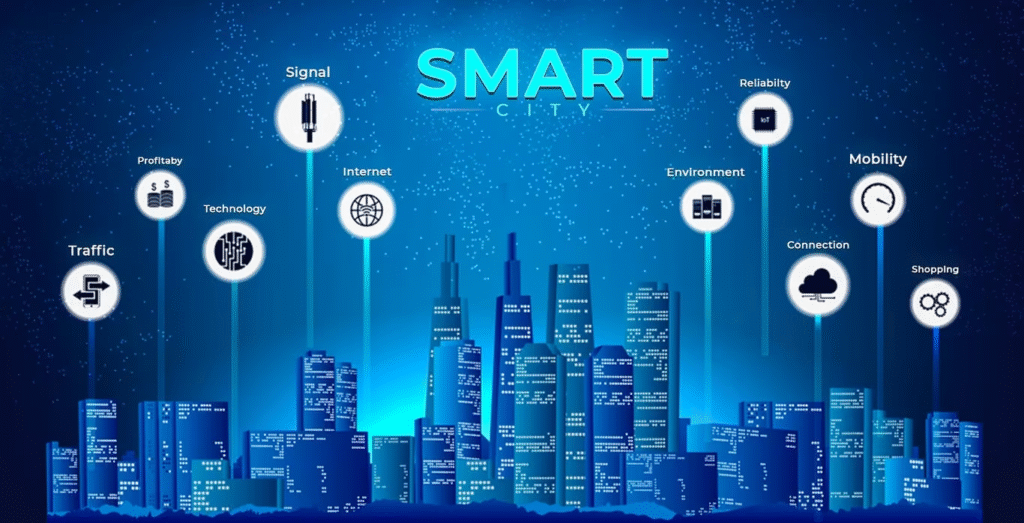
Mobility is a vital aspect of smart city integration. The focus is not just on transportation but on creating a holistic experience for residents. Here’s how mobility solutions enhance smart city real estate:
Seamless Connectivity
Smart city designs prioritize connectivity, ensuring that public transport systems are efficient and accessible. With real-time data available through IoT, residents can plan their journeys better, reducing commute times and enhancing overall convenience.
Sustainable Transportation Options
The rise of electric vehicles and bike-sharing programs reflects a shift towards more sustainable urban mobility. Smart cities promote these options, reducing reliance on traditional gasoline-powered vehicles. This shift not only lowers emissions but also contributes to a healthier urban environment.
Smart Parking Solutions
Finding parking in busy urban areas can be a challenge. IoT-enabled parking solutions streamline this process by providing real-time information about available spaces. This not only saves time for drivers but also reduces traffic congestion, a common issue in densely populated cities.
As cities continue to grow, the integration of smart technologies will only become more critical. Developers and city planners must focus on creating environments that prioritize sustainability, efficiency, and quality of life.
In this context, real estate plays a significant role. The collaboration between real estate developers and technology providers will lead to innovative solutions that cater to the needs of modern urban dwellers. Feroz Hussain’s vision exemplifies this future, wherein real estate is intertwined with technological advancements to create living spaces that are not only functional but also enriching.
Smart city real estate integration with IoT and mobility is more than just a concept; it is a necessity for the future. As urbanization continues, cities must evolve to meet the needs of their inhabitants, ensuring a better quality of life through innovative solutions.
Feroz Hussain’s efforts in this arena demonstrate the transformative potential of integrating technology with real estate, paving the way for smarter, more connected urban spaces. As we look ahead, embracing these advancements will be crucial for developing sustainable and vibrant cities that cater to the needs of all residents.
Do Follow Estate Magazine on Instagram
Read More:- Energy-Efficient Infrastructure Boosts Property Value by 30%