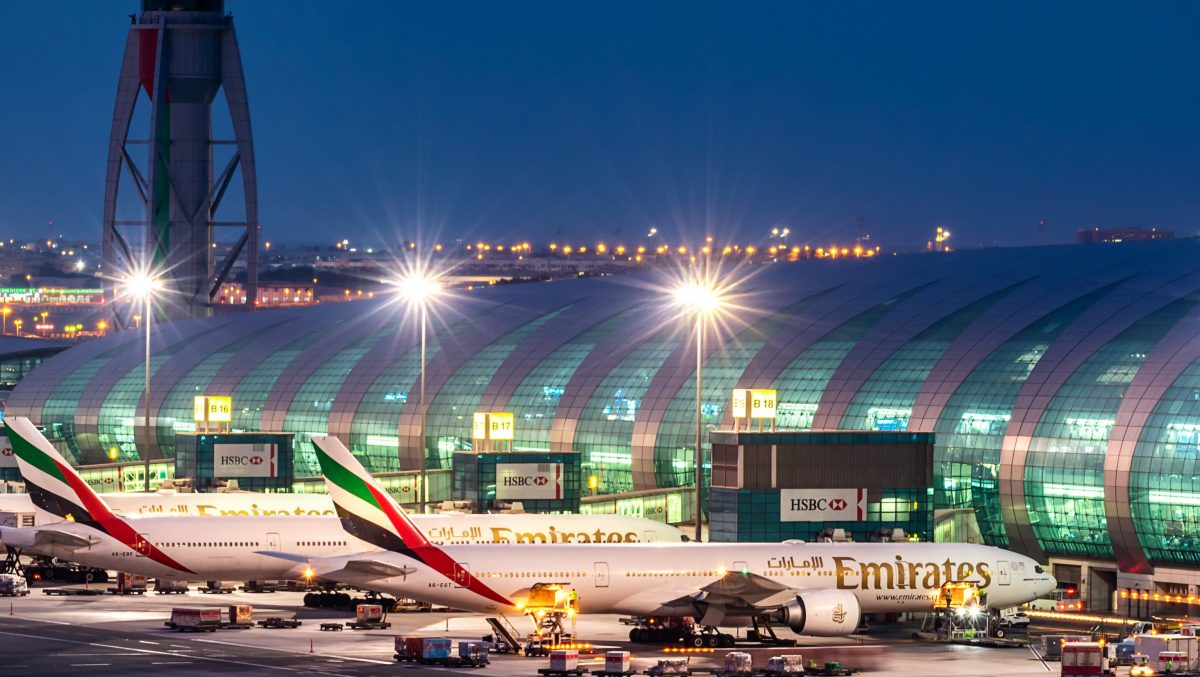
Dubai is known for its sky-high ambitions, and nowhere is this clearer than in its world-class airports. But while most people see the shining terminals and impressive runways, fewer notice the transport web that makes it all work. Dubai’s extensive road and rail networks play a powerful role in supporting the growth of its airports — creating smoother travel, faster cargo movement, and economic benefits across the UAE.
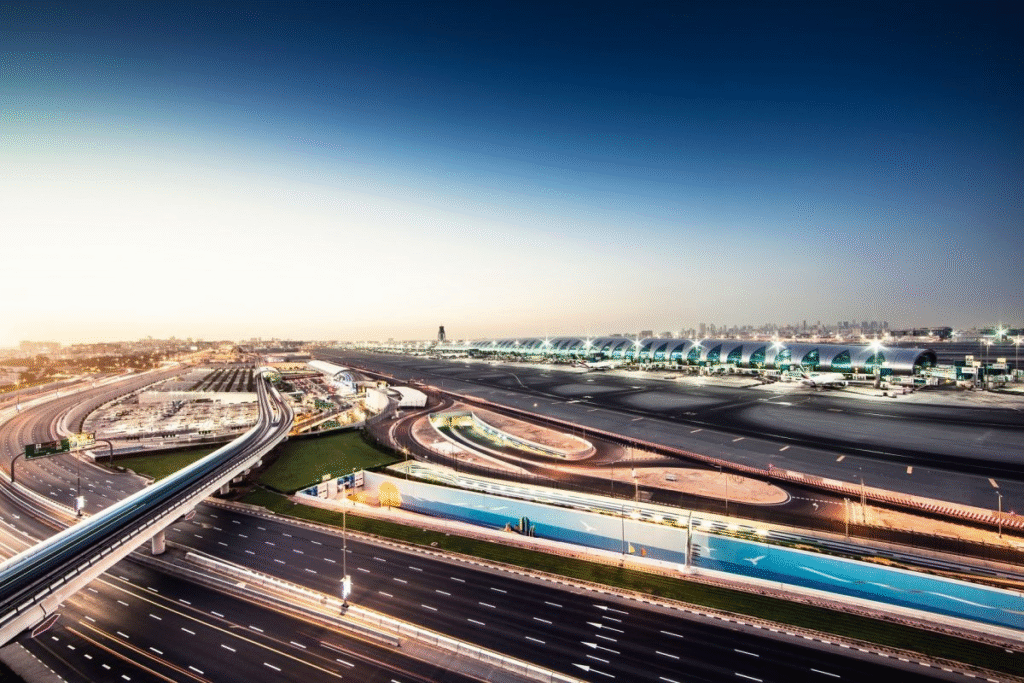
Dubai International Airport (DXB) and Al Maktoum International Airport (DWC) are both key players in the region’s aviation industry. These airports handle tens of millions of passengers each year and huge volumes of cargo. Their success depends on seamless connections to the rest of the emirate and beyond.
Dubai’s government has invested heavily in roads, highways, and rail systems to support airport operations. Modern infrastructure helps airlines, passengers, and cargo businesses move quickly and safely between the airport and their final destinations. This is vital for Dubai’s economy, which relies on tourism, trade, and logistics.
According to Dubai’s Roads and Transport Authority (RTA), the city’s transport master plan has been aligned with aviation growth targets. Roads around the airport areas have been upgraded to handle high traffic volumes, while new metro and bus routes have been designed to connect major terminals with the rest of the city.
Dubai’s modern road network forms the backbone of its airport accessibility. Highways like Sheikh Mohammed bin Zayed Road (E311) and Emirates Road (E611) provide fast links to Al Maktoum International Airport, which is located in Dubai South. Similarly, the Sheikh Zayed Road corridor supports millions of travelers going to and from Dubai International Airport every year.
Recent road projects, such as the improvement of Expo Road and expansions in Dubai South, have made it easier for cargo trucks to reach air freight terminals. This ensures perishable goods, pharmaceuticals, and time-sensitive products move swiftly from ports to airports and onwards to global markets.
Taxi services and private vehicles also benefit from these well-maintained highways, making travel smoother for the millions of visitors Dubai attracts. The reduction in travel time not only improves passenger satisfaction but also supports Dubai’s image as a top tourism hub.
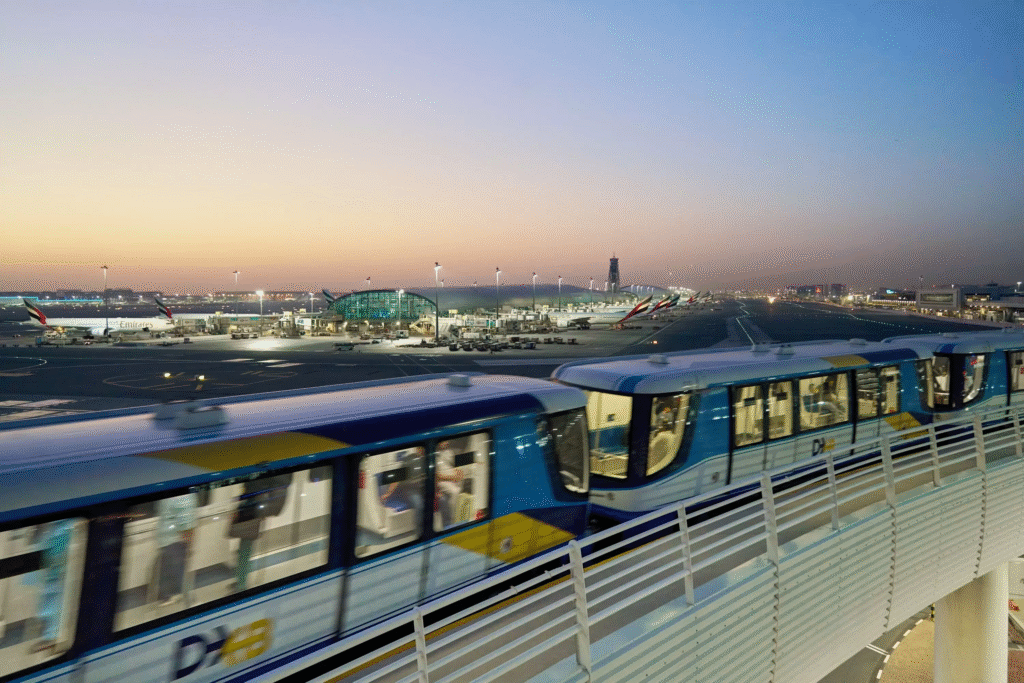
Dubai Metro has been a game-changer in supporting airport operations. The Red Line directly connects to Terminals 1 and 3 at Dubai International Airport, providing passengers with a reliable and affordable option to reach the airport from popular city spots like BurJuman, Mall of the Emirates, and Dubai Marina.
Plans are also underway to extend rail connectivity to Al Maktoum International Airport. As DWC grows to become one of the largest airports in the world, its future metro and rail links will be vital. Authorities have proposed feeder buses and eventual metro extensions to handle the projected millions of passengers in the coming decades.
Freight rail networks will also help move goods more efficiently. The Etihad Rail project, which is rolling out in phases across the UAE, will eventually link industrial zones to Dubai’s airports, supporting the fast and cost-effective transfer of cargo. This can give Dubai a powerful advantage in global logistics.
What makes Dubai stand out is its focus on integration. The RTA, Dubai Airports, and other authorities coordinate closely to ensure that road, metro, bus, and even water transport work together to support airport traffic. For example, smart signage, real-time traffic updates, and high-quality public transportation all help people move easily between airport terminals and the city.
This integrated approach saves time, reduces stress for travelers, and improves Dubai’s reputation as a connected global city. Transport authorities have also invested in smart technologies, like AI-powered traffic signals and route optimization tools, to keep vehicles moving even during peak hours.
Dubai’s airports are not just for passengers — they are vital for trade. Dubai International Airport is one of the world’s busiest for international cargo, and DWC is being positioned as a mega airfreight hub. Efficient roads and rail connections allow cargo to move from Jebel Ali Port, Dubai Industrial City, and other free zones directly to the airports.
This means goods reach global markets faster, helping Dubai maintain its role as a trade and logistics giant. Improved travel options for tourists also mean more people can easily fly in, explore the city, and then connect to their final destinations.
Dubai is not standing still. With forecasts showing a massive rise in air traffic in the next decade, the emirate is investing further in road widening, smart public transport, and sustainable mobility. Electric buses, autonomous vehicles, and greener rail systems are all being tested or planned to meet future needs.
These innovations will not only support airport growth but also help Dubai achieve its environmental targets. Cleaner, smarter, and faster transport networks are the way forward.
Dubai’s road and rail networks are more than just pathways; they are the arteries that keep its airports alive and thriving. By connecting people, goods, and businesses in a smooth and efficient way, these networks make Dubai a true global hub. As the emirate continues to grow its aviation sector, its world-class transport systems will remain a key foundation for success.
Read More:- Deyaar’s Latest Announcement Shakes Up the UAE Property Market